A sound outdoor sauna safety checklist pulls the essentials together: the heater is installed with correct clearances and, for wood, a maintained flue and carbon-monoxide safety; electrical work is done by a licensed electrician to code; ventilation works and the sauna is dried after use; floors and paths are slip-resistant and, in winter, cleared and lit; bathers don't overdo the heat, stay hydrated, avoid alcohol, and listen to their bodies; children are supervised and anyone with a health condition consults a physician; and seasonal inspections keep everything sound. It's a combination of correct installation, good habits and regular checks — no single item covers safety, but together this checklist covers the main risks.
Sauna safety isn’t any single measure — it’s a combination of correct installation, good habits and regular checks, spread across several different risks. It’s easy to have most of it right and miss one thing. This checklist pulls the essentials into one place so you can run through them for your outdoor sauna. Use it as a framework — not a substitute for professional installation and advice.
The heater, clearances and burns
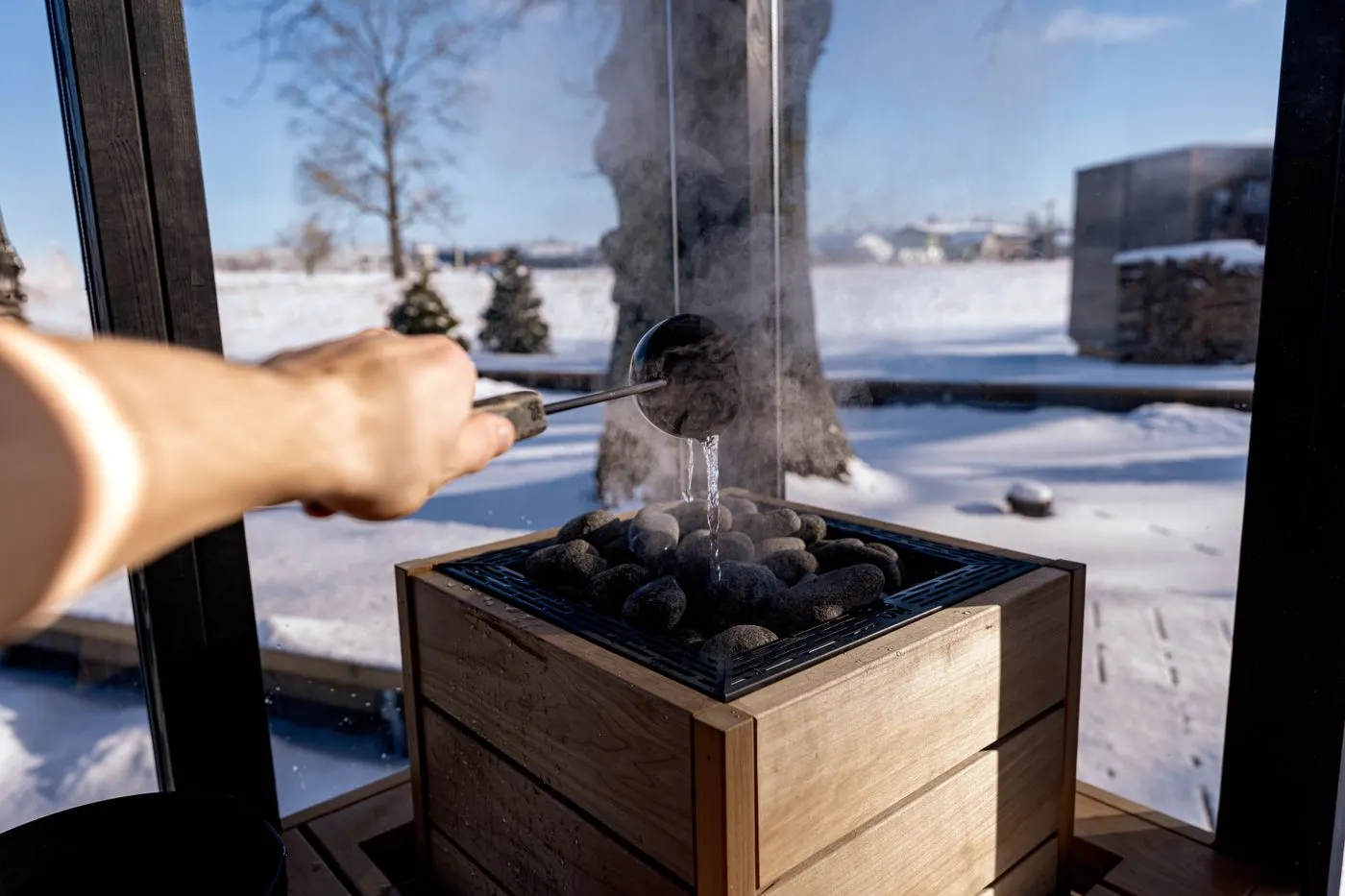
- Heater installed with correct clearances from walls, benches and combustibles.
- A guard rail to help prevent contact burns where useful.
- The heater area clear of towels, clothing and anything flammable.
- Installed per the manufacturer’s guidance.
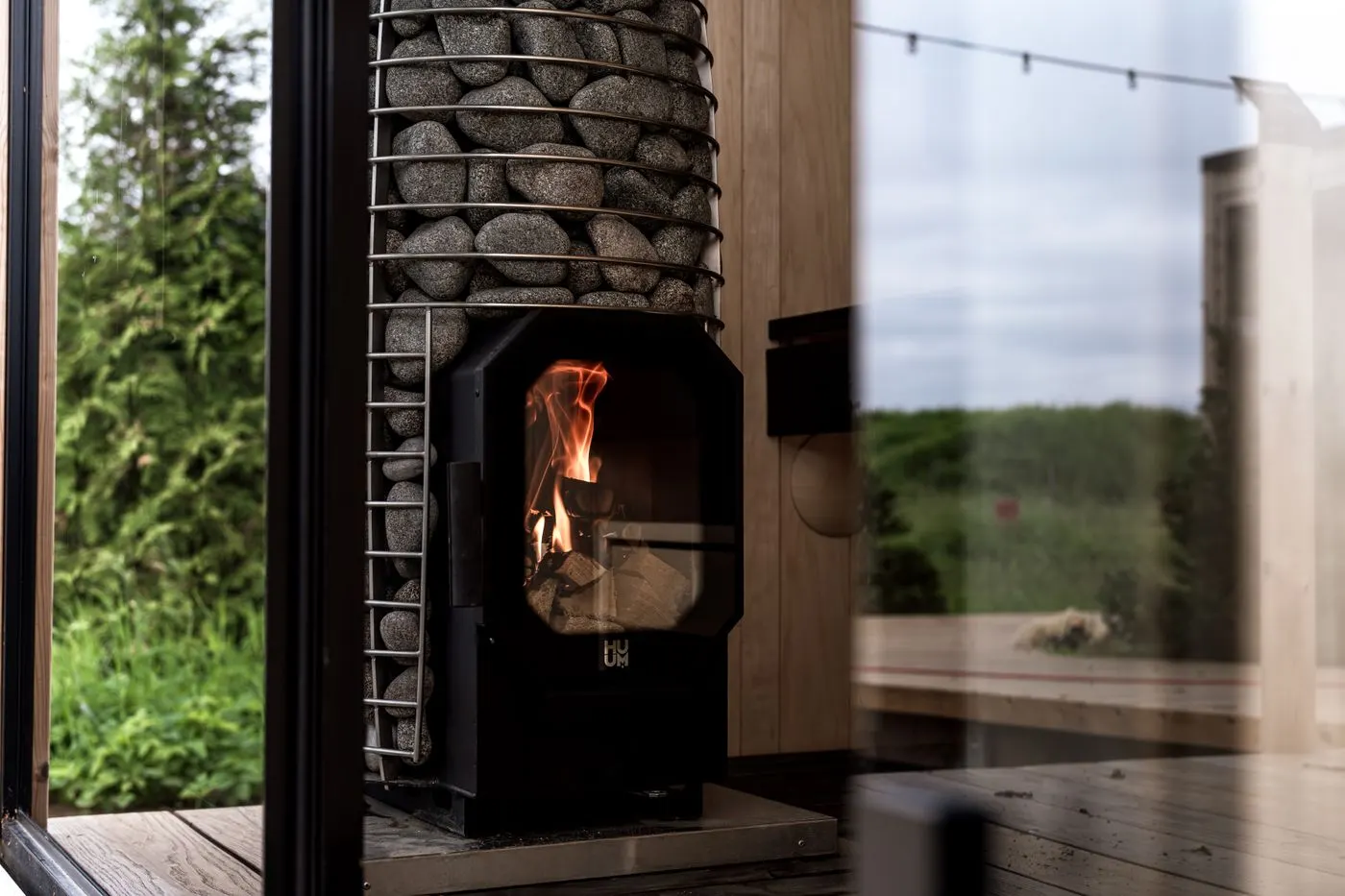
Carbon monoxide (wood heaters)
Electrical
- All electrical work done by a licensed electrician to code.
- Electrical safety observed, with winter protection for outdoor components.
- Any remote start used only if the heater and install are designed for it.
Ventilation and drying
- Ventilation works — intake and adjustable exhaust.
- The sauna is dried after every use.
Slips, footing and lighting
- Floors and paths slip-resistant and free of standing water.
- Winter paths cleared and lit.
Heat and health
- Bathers don’t overdo the heat or duration and listen to their bodies.
- Stay hydrated; avoid alcohol.
- Anyone with a health condition consults a physician.
Children
- Children directly supervised at all times — see sauna safety for children.
- A guard helps but doesn’t replace supervision.
Seasonal checks
- Seasonal inspections — especially before and after winter — of the heater, flue, electrical, structure, roof and footing.
- Everyday habits plus periodic thorough checks.
How to use this checklist
Run the habit-based items every session (ventilation, drying, clear footing, sensible heat use), and do a fuller check seasonally. No single item covers safety — the checklist works because it combines installation, habits and checks across all the main risks. Pair it with the overall safety overview.
Next steps
Work through this checklist for your sauna: heater and clearances, CO, electrical, ventilation and drying, slips, heat and health, children, and seasonal checks. Rely on the right professionals for installation and advice, and you’ll have covered the main risks that keep a sauna safe.
Frequently asked questions
What should be on a sauna safety checklist?
The essentials: the heater installed with correct clearances, and for a wood heater a maintained flue and carbon-monoxide safety; electrical work done by a licensed electrician to code; working ventilation and drying the sauna after use; slip-resistant floors and paths, cleared and lit in winter; sensible heat use — not overdoing it, staying hydrated, avoiding alcohol, listening to your body; supervising children and consulting a physician about any health condition; and regular seasonal inspections. No single item covers safety; the checklist works because it combines correct installation, good habits and regular checks across all the main risks.
What are the main safety risks in an outdoor sauna?
The main risks are: fire and burns from the heater (needing correct clearances and a guard); carbon monoxide from a wood heater's flue; electrical hazards (needing a licensed electrician); overheating and health effects of the heat; slips and falls on wet or icy surfaces; and risks to children and those with health conditions. Each has its own precautions, and a safety checklist addresses them together. Recognising that safety is a combination of installation, habits and checks — not one measure — is the key to covering the main risks properly.
How often should I check my sauna for safety?
Run through the habit-based items every time you use the sauna (ventilation, drying, clear footing, sensible heat use), and do a fuller check seasonally — especially before and after winter — covering the heater, flue, electrical, structure, roof and footing. A wood heater's flue and combustion need regular attention, and freeze-thaw is hard on outdoor components, so seasonal inspections matter in a cold climate. Regular checks catch problems early. Combine everyday habits with periodic thorough inspections. See our guide on seasonal sauna safety inspection.
Is a carbon monoxide detector needed for a sauna?
Carbon monoxide is a serious risk with any fuel-burning heater, such as a wood-burning sauna heater, whose flue must vent exhaust gases safely and be kept maintained. Following proper carbon-monoxide safety is essential with a wood heater, and this is an important checklist item. Electric heaters burn no fuel and produce no carbon monoxide. Because CO safety specifics depend on your setup and local requirements, follow the heater manufacturer's guidance and applicable safety practice. Treat carbon-monoxide safety as a priority wherever there's a fuel-burning heater. See our carbon-monoxide guide.
What sauna safety measures matter most for children?
Children must be directly supervised in a sauna at all times — the heater's extreme heat, the high temperatures, slips on wet surfaces, and their different tolerance to heat all make supervision essential. A heater guard helps reduce contact-burn risk but doesn't replace supervision. Sensible, lower use and shorter times, plus a physician's advice on whether and how children should use a sauna, are also important. So supervision is the priority, supported by guards, sensible use and medical guidance. See our guide on sauna safety for children.
Can a checklist replace professional installation and advice?
No — a safety checklist helps you cover the essentials and build good habits, but it doesn't replace professional installation and expert advice. Electrical work must be done by a licensed electrician, heaters and flues installed per the manufacturer and code, and health questions directed to a physician. The checklist reminds you to ensure these are done, not to do them yourself. Use it as a framework for safe setup and use, while relying on the right professionals for installation, code compliance and medical advice. It organises safety; it doesn't substitute for expertise.