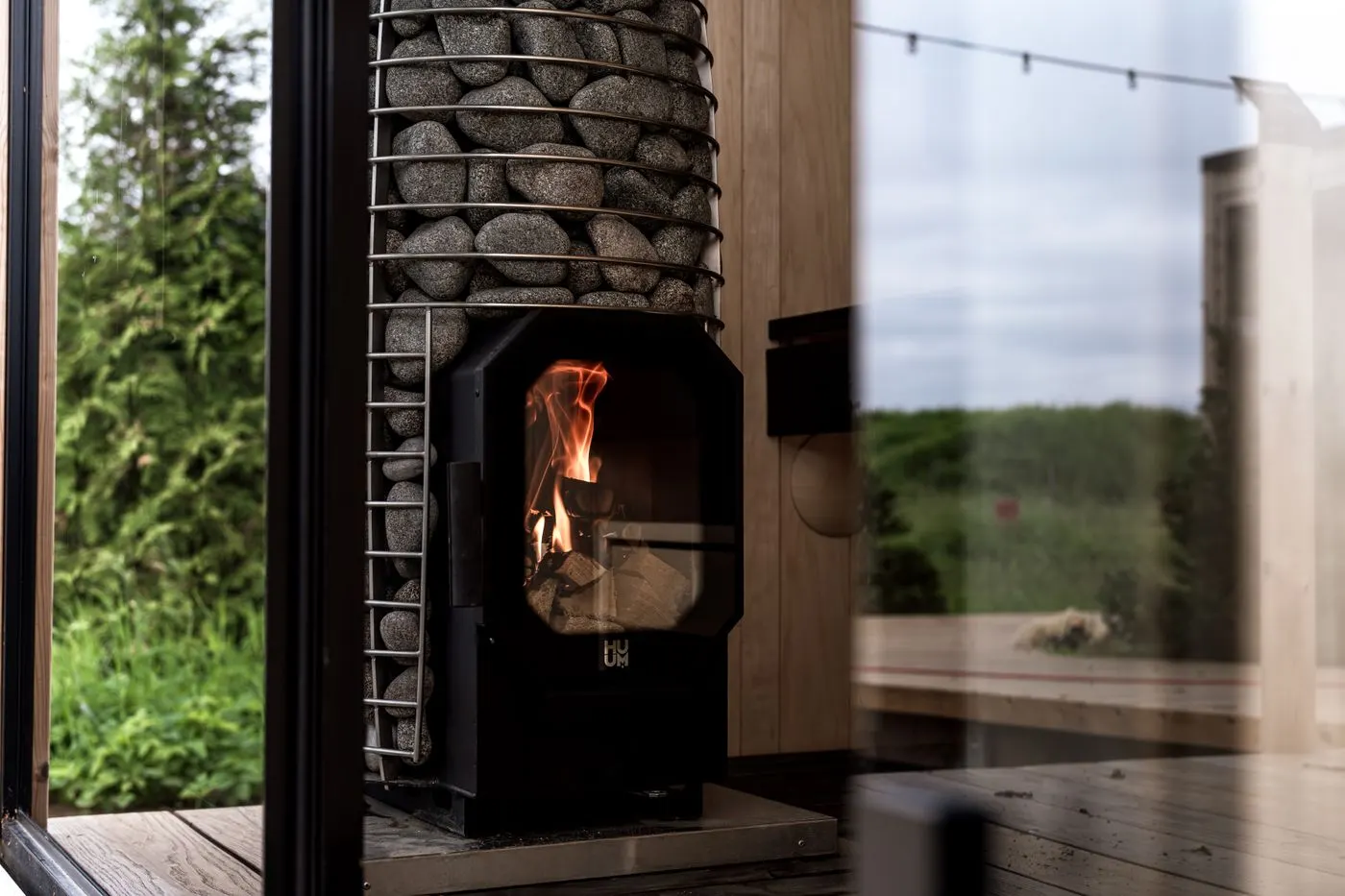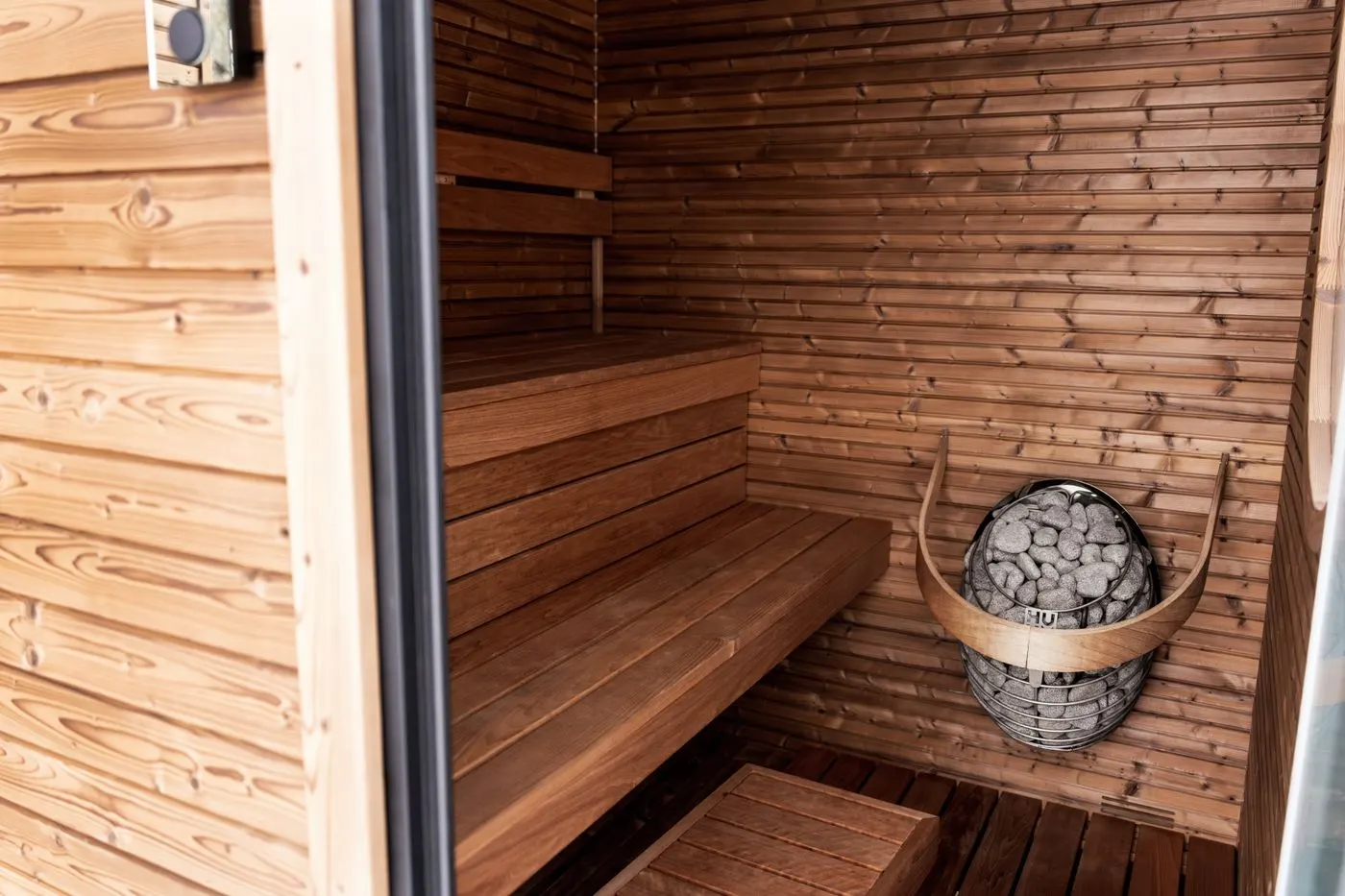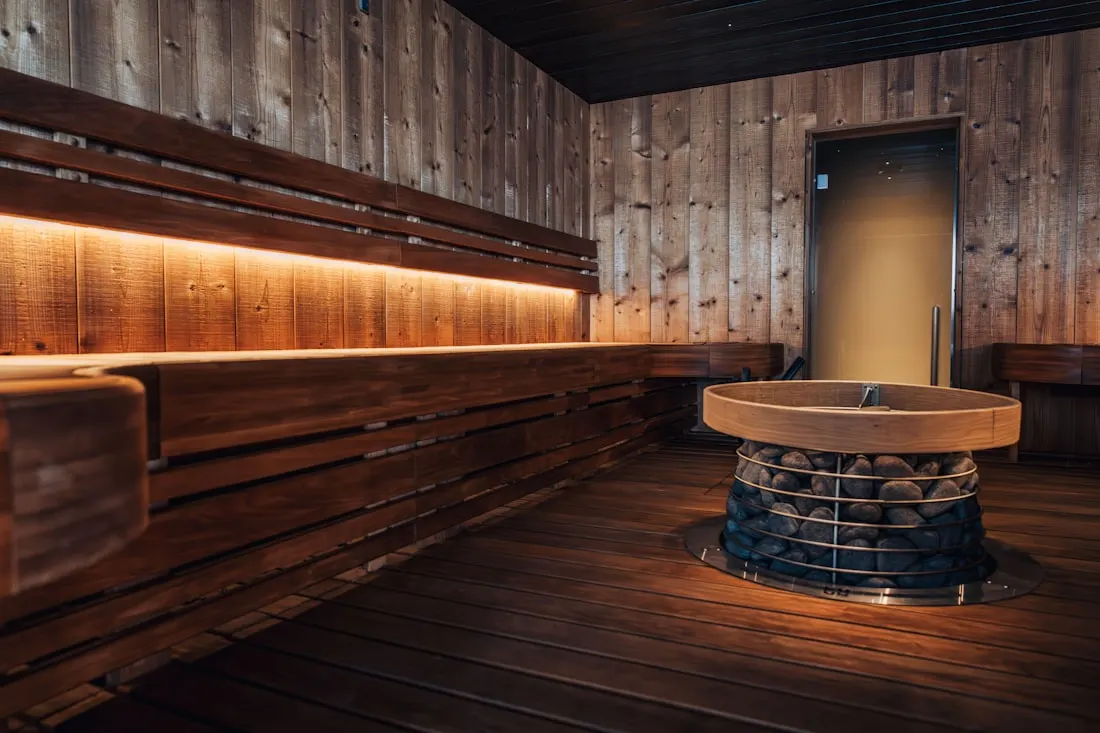
A sauna heater guard rail is a protective barrier — usually a wooden rail or surround — placed around the hot parts of the heater to help prevent accidental contact burns, since a sauna heater and its stones get extremely hot. It's especially valuable where people move near the heater, in busier or family saunas, and where children may be present (though children need direct supervision regardless). A guard rail complements, rather than replaces, safe heater clearances and sensible use. Fit a guard rail suited to your heater following the manufacturer's guidance, keep it and the space around the heater clear, and treat it as one layer of a sauna's overall heat safety.
A sauna heater is the hottest thing in the room — the metal casing and the stones reach temperatures that cause serious burns on contact. A guard rail is a simple barrier that helps keep people from brushing against it by accident. It’s a small, inexpensive part that adds a real layer of protection, especially in busy or family saunas. This guide explains what guard rails are for and how they fit into a sauna’s overall heat safety.
What a guard rail is
A sauna heater guard rail is a protective barrier — usually a wooden rail or surround — placed around the hot parts of the heater to help prevent accidental contact burns. Because the heater and stones get extremely hot, a guard keeps people from touching them by accident, particularly where bathers move near the heater.
Who benefits most
A guard rail is especially valuable:
- Where people move close to the heater.
- In busier or family saunas.
- Where children may be present — though children need direct supervision regardless.
Whether it’s essential depends on your sauna and who uses it, but it’s a sensible addition for many. Some heaters are designed to take a matching guard.
It complements clearances — doesn’t replace them
Guard rails and children
A guard rail can help reduce the risk of a child accidentally touching the hot heater — but it is not a substitute for direct adult supervision. Children must be supervised in a sauna at all times, and the heater’s extreme heat is a serious hazard. So a guard is one helpful layer, but constant supervision is the essential protection. Combine a guard, safe clearances, sensible temperatures and, above all, close supervision — see sauna safety for children.
Choosing and fitting a guard
A guard is typically wood, designed to sit at a safe distance from the heater’s hot surfaces so the guard itself doesn’t overheat while keeping people from contact. Many manufacturers offer a matching guard designed for their heater and its clearances. Because it must suit the specific heater and be positioned correctly, follow the manufacturer’s guidance rather than improvising — so it’s both effective and safe. See heater installation.
Heat safety is a combination
No single measure covers every risk. Keep the area around the heater safe by combining:
| Measure | Risk it addresses |
|---|---|
| Clearances | Fire |
| Guard rail | Contact burns |
| Clear space (no towels/clothing) | Fire & contact |
| Supervising children | Accidental contact |
| Sensible temperatures | Overheating |
Common mistakes
- Treating a guard as a substitute for proper clearances.
- Relying on a guard instead of supervising children.
- Improvising a guard rather than using one suited to the heater.
- Cluttering the heater area with towels or clothing.
Next steps
Fit a guard rail suited to your heater per the manufacturer’s guidance as one layer of heat safety — alongside correct clearances, a clear heater area, sensible temperatures, and close supervision of children. Together these keep the hottest part of the sauna safe for everyone.
Frequently asked questions
What is a sauna heater guard rail?
A sauna heater guard rail is a protective barrier — typically a wooden rail or surround — placed around the hot parts of the heater to help prevent accidental contact burns. A sauna heater and its stones get extremely hot, so a guard keeps people from brushing against them by accident, especially where bathers move near the heater. It's a simple but valuable safety feature. Fit one suited to your heater per the manufacturer's guidance, and treat it as one layer of the sauna's overall heat safety, alongside safe clearances and sensible use.
Do I need a guard rail around my sauna heater?
It's a worthwhile safety feature, particularly where people move close to the heater, in busier or family saunas, or where children may be present — though children need direct supervision regardless of any guard. A guard rail helps prevent accidental contact burns from the very hot heater and stones. Whether it's essential depends on your sauna and who uses it, but it's a sensible addition for many, and some heaters are designed to take a matching guard. Follow the manufacturer's guidance on fitting one.
Does a guard rail replace heater clearances?
No — a guard rail complements safe clearances, it doesn't replace them. Heater clearances (the safe distances between the heater and walls, benches and combustibles) are a separate, essential requirement for fire safety, set by the manufacturer and code. A guard rail addresses accidental contact burns to people, a different risk. You need both: proper clearances so the heater is safely installed, and a guard rail to help prevent contact burns. Never treat a guard as a substitute for correct clearances.
Are sauna heater guards important with children?
A guard rail can help reduce the risk of a child accidentally touching the hot heater, but it is not a substitute for direct adult supervision — children must be supervised in a sauna at all times, and the heater's extreme heat is a serious hazard. So a guard is one helpful layer, but constant supervision is the essential protection where children are present. Combine a guard rail, safe clearances, sensible temperatures and, above all, close supervision. See our guide on sauna safety for children.
What is a sauna heater guard made of?
Typically wood — a wooden rail or surround suited to the sauna environment and designed to sit at a safe distance from the heater's hot surfaces, so the guard itself doesn't overheat while keeping people from contact. Many heater manufacturers offer a matching guard designed for their heater and its clearances. Because the guard must suit the specific heater and be positioned correctly, follow the manufacturer's guidance on the right guard and its placement rather than improvising, so it's both effective and safe.
How do I keep the area around a sauna heater safe?
Combine several measures: maintain the manufacturer's required clearances from walls, benches and combustibles; fit a guard rail to help prevent contact burns; keep the space around the heater clear of towels, clothing and anything flammable; supervise children closely; and use sensible temperatures. No single measure covers every risk — clearances address fire, guards address contact burns, and clear space and supervision address the rest. Treat heater safety as a combination of correct installation, a guard, tidiness and sensible use.