Traditional saunas are commonly used somewhere in the region of about 70–100°C (roughly 150–195°F), but there's no single correct temperature — the right one is what feels comfortable to you, and humidity changes the experience as much as the number. A drier sauna feels different from one with more löyly (steam), and lower temperatures with humidity can feel as intense as higher dry heat. Set the temperature to your comfort, add löyly to taste, and remember that in a cold climate an outdoor sauna takes longer to reach temperature. Comfort and safety, not a target number, should guide how hot you run it.
“How hot should my sauna be?” is one of the first questions newcomers ask — and the honest answer is: hotter than you might expect, but only as hot as you find comfortable. There’s a commonly used range, but no single correct number, because humidity changes the feel as much as the temperature does. This guide explains the typical ranges and, more importantly, how to set the heat to your own comfort.
The commonly used range
Traditional saunas are often used somewhere in the region of:
| Approximate range | |
|---|---|
| Celsius | ~70–100°C |
| Fahrenheit | ~150–195°F |
Treat this as a general guide, not a rule. Usage varies widely by person, tradition and how much löyly is used — some prefer it cooler and humid, others hotter and dry.
Humidity matters as much as the number
Here’s the key insight beginners miss: the thermometer only tells part of the story. Humidity changes the experience dramatically:
- Löyly (water on the hot stones) raises humidity and intensifies the heat you feel.
- A lower-temperature sauna with more steam can feel as intense as a hotter, drier one.
So the feel comes from the combination of temperature and humidity — not the temperature alone. Adjust both to your comfort. See air circulation and stratification for how heat and steam move.
Comfort over a target number
Hotter isn’t better — comfortable is. Many people enjoy a moderate temperature with good löyly more than a very high dry heat. Pushing the number up doesn’t improve the experience if it’s uncomfortable. Set the heat to what feels good, use humidity to shape the feel, and don’t chase a figure.
Cold-climate warm-up
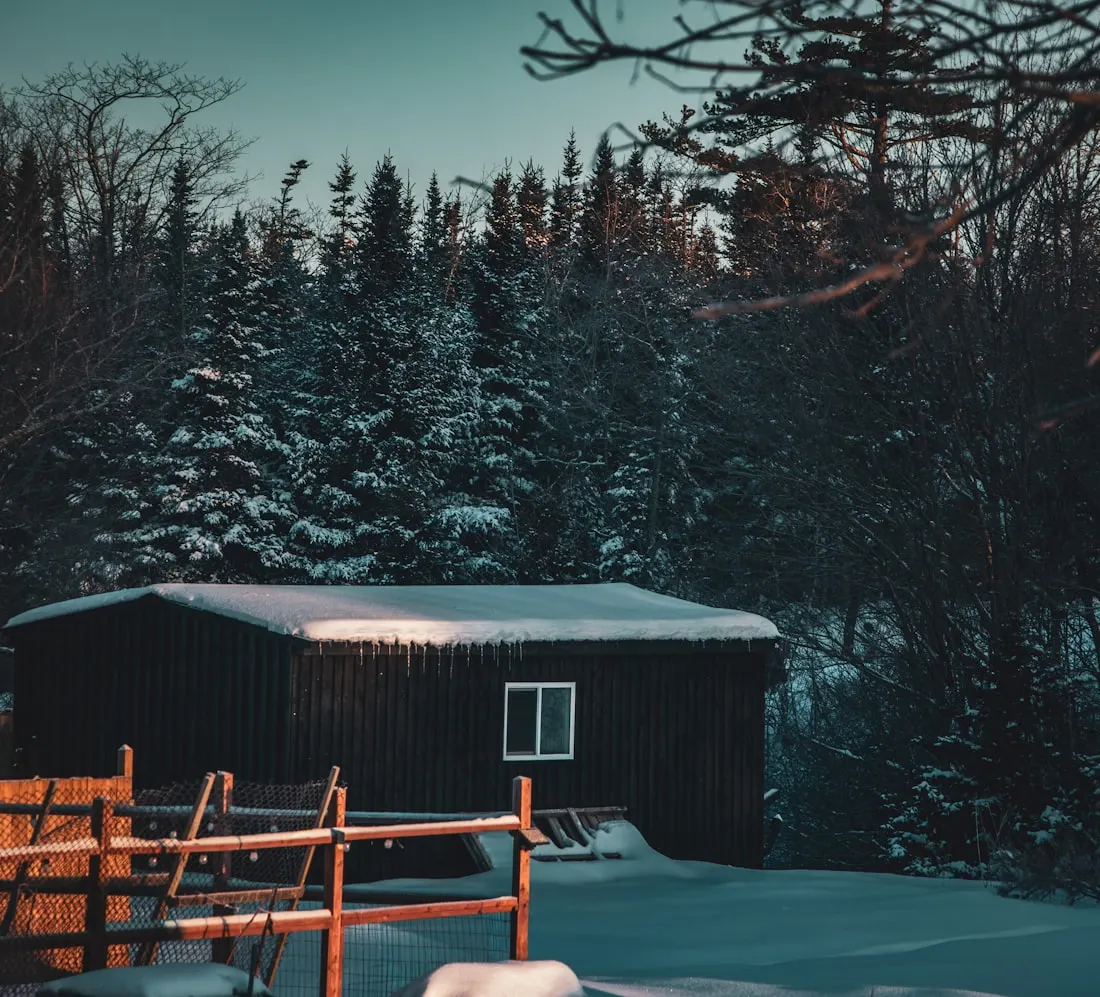
In a cold climate, an outdoor sauna simply takes longer to reach temperature — especially in deep winter. If yours feels slow:
- Allow more heating time — it may not be faulty, just cold.
- Check the heater is right-sized for the room.
- Ensure the sauna is well insulated.
- Don’t leave vents wide open during warm-up.
See how long an outdoor sauna takes to heat in winter and, if it genuinely won’t heat, a heater not getting hot.
Safety and health
Common mistakes
- Chasing a high number at the expense of comfort or safety.
- Ignoring humidity — the feel isn’t just the temperature.
- Expecting instant heat from an outdoor sauna in the cold.
- Leaving vents open during warm-up, then blaming the heater.
- Overriding your body’s signals to hit a target.
Next steps
Set your sauna to a comfortable temperature — commonly somewhere in the traditional range, but ultimately your comfort — and shape the feel with löyly. Allow for slower cold-climate warm-up, mind your health, and remember: the best temperature is the one you enjoy and tolerate well, not a number on the wall.
Frequently asked questions
How hot should a sauna be?
There's no single correct temperature — traditional saunas are commonly used somewhere around 70–100°C (roughly 150–195°F), but the right temperature is the one that feels comfortable to you. Humidity matters as much as the number: a drier sauna feels different from one with more steam. Set it to your comfort, add löyly to taste, and don't chase a specific figure. Comfort and safety should guide how hot you run it, not a target on the thermometer.
What is a typical sauna temperature?
Traditional saunas are often run somewhere in the region of about 70–100°C (roughly 150–195°F), though usage varies widely by person, tradition and how much löyly is used. This is a common range rather than a rule — some prefer it cooler with more humidity, others hotter and drier. The 'typical' figure is less important than what feels right to you, so treat these numbers as a general guide, not a target to hit.
Does humidity change how hot a sauna feels?
Very much — humidity changes the experience as much as the temperature itself. Löyly (water on the hot stones) raises humidity and intensifies the heat you feel, so a lower-temperature sauna with more steam can feel as intense as a hotter, drier one. This is why the number on the thermometer only tells part of the story. Adjust both temperature and humidity to your comfort; the feel comes from the combination, not the temperature alone.
Why won't my outdoor sauna get hot enough?
In a cold climate an outdoor sauna simply takes longer to reach temperature, especially in deep winter — so it may need more heating time rather than being faulty. Check that the heater is right-sized for the room, the sauna is well insulated, vents aren't left wide open during warm-up, and you're allowing enough time. If it genuinely can't reach a comfortable heat, see our guide on a heater not getting hot, but often the answer is patience and insulation.
Is a hotter sauna better?
Not necessarily — hotter isn't better, comfortable is. Many people enjoy a moderate temperature with good löyly more than a very high dry heat, and pushing the temperature up doesn't improve the experience if it's uncomfortable or unsafe for you. Set the heat to what feels good, use humidity to shape the feel, and never chase a high number at the expense of comfort or safety. The best temperature is the one you enjoy and tolerate well.
What temperature is safe for a sauna?
Rather than a fixed safe number, the sensible approach is to run the sauna at a temperature that's comfortable for you, not overdo the heat or duration, stay hydrated, and listen to your body. Heat tolerance is individual, and conditions like heart problems or pregnancy matter. This site makes no medical claims — if you have any health concern about sauna heat, speak with a physician. Comfort, moderation and your own body's signals are the best guide to safe use.