A sauna heater that won't get hot enough usually points to one of a few causes: an undersized heater for a cold outdoor sauna, poor insulation letting heat escape, too much ventilation during warm-up, exhausted or overpacked stones, or — for wood — a poor-drawing chimney or wet wood. For electric heaters, an element or wiring fault is possible; have that checked by a licensed electrician. Diagnose from the most likely cause down.
A sauna that won’t get properly hot is frustrating — especially in winter, when you most want the heat. The good news is that the causes are a short, diagnosable list, and most have nothing to do with a broken heater. Work through them from most to least likely.
1. The heater is undersized (most common)
In a Canadian winter, undersizing is the number-one cause. An outdoor sauna loses more heat and starts colder than an indoor one, so a heater sized for volume alone — or for a milder climate — simply can’t keep up. Check your heater against the manufacturer’s outdoor sizing for your room’s volume, including glass. If it’s below their recommendation, that’s very likely the problem. See how to size a heater.
2. The envelope leaks heat
If heat escapes faster than the heater supplies it, the sauna never gets there. Suspect insulation and air leaks if:
- The sauna is a thin, uninsulated shell.
- There are obvious drafts at the door, corners or heater pass-through.
- It’s very exposed to wind.
Improving insulation and sealing leaks often fixes weak heat without touching the heater.
3. Too much ventilation during warm-up
Ventilation is essential — but during warm-up, an exhaust left wide open dumps heat. Keep the exhaust mostly closed while heating, then open it once you’re bathing and afterward to dry. Don’t seal the sauna entirely; use the adjustable vent to balance.
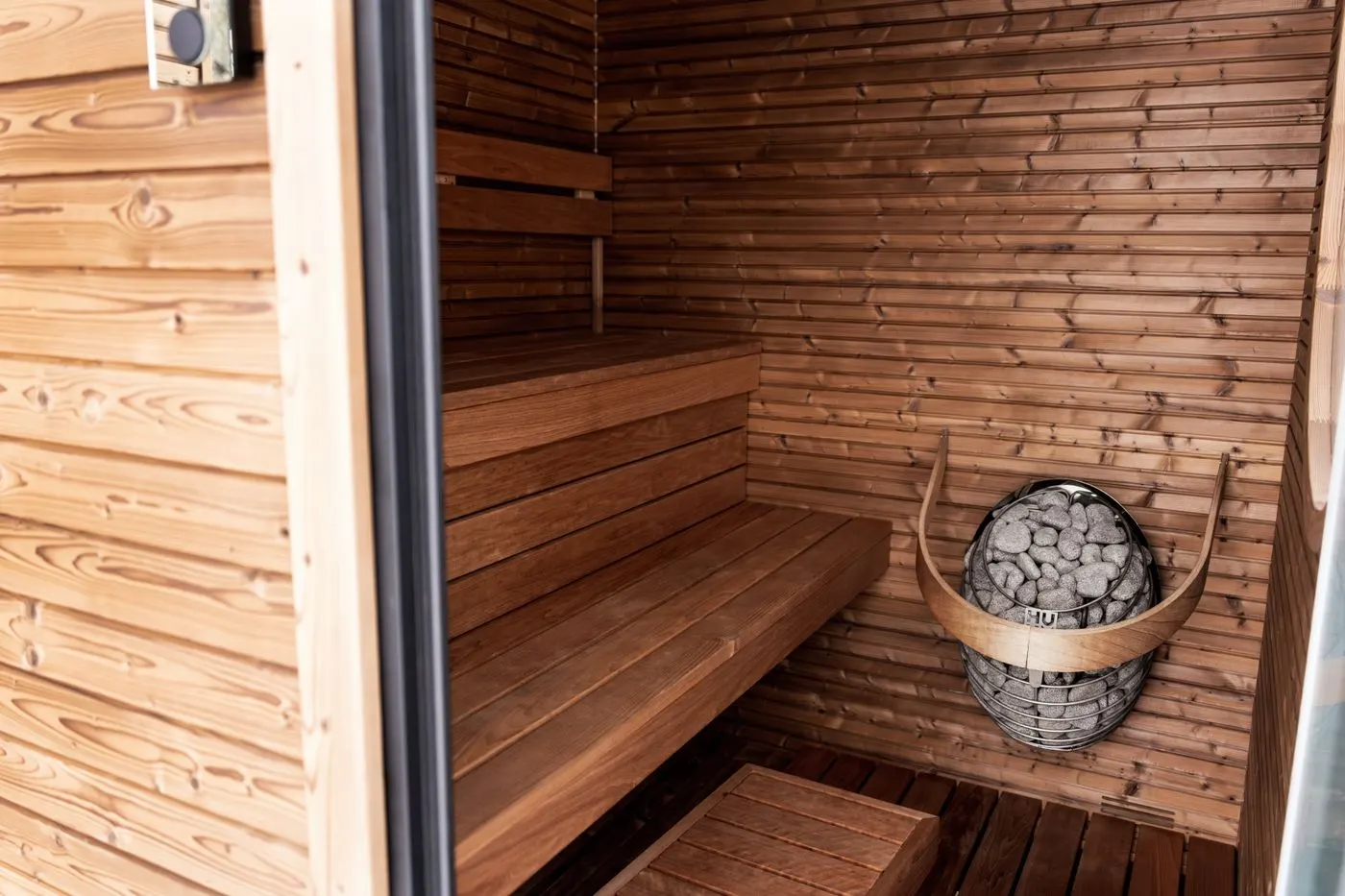
4. Tired or overpacked stones
The stones matter. Weak heat or steam can come from:
- Cracked, crumbling or dust-clogged stones that no longer transfer heat well.
- Overpacked stones that choke airflow.
Sort, clean and re-stack them loosely (or replace them), largest at the bottom.
5. Wood-fire specifics
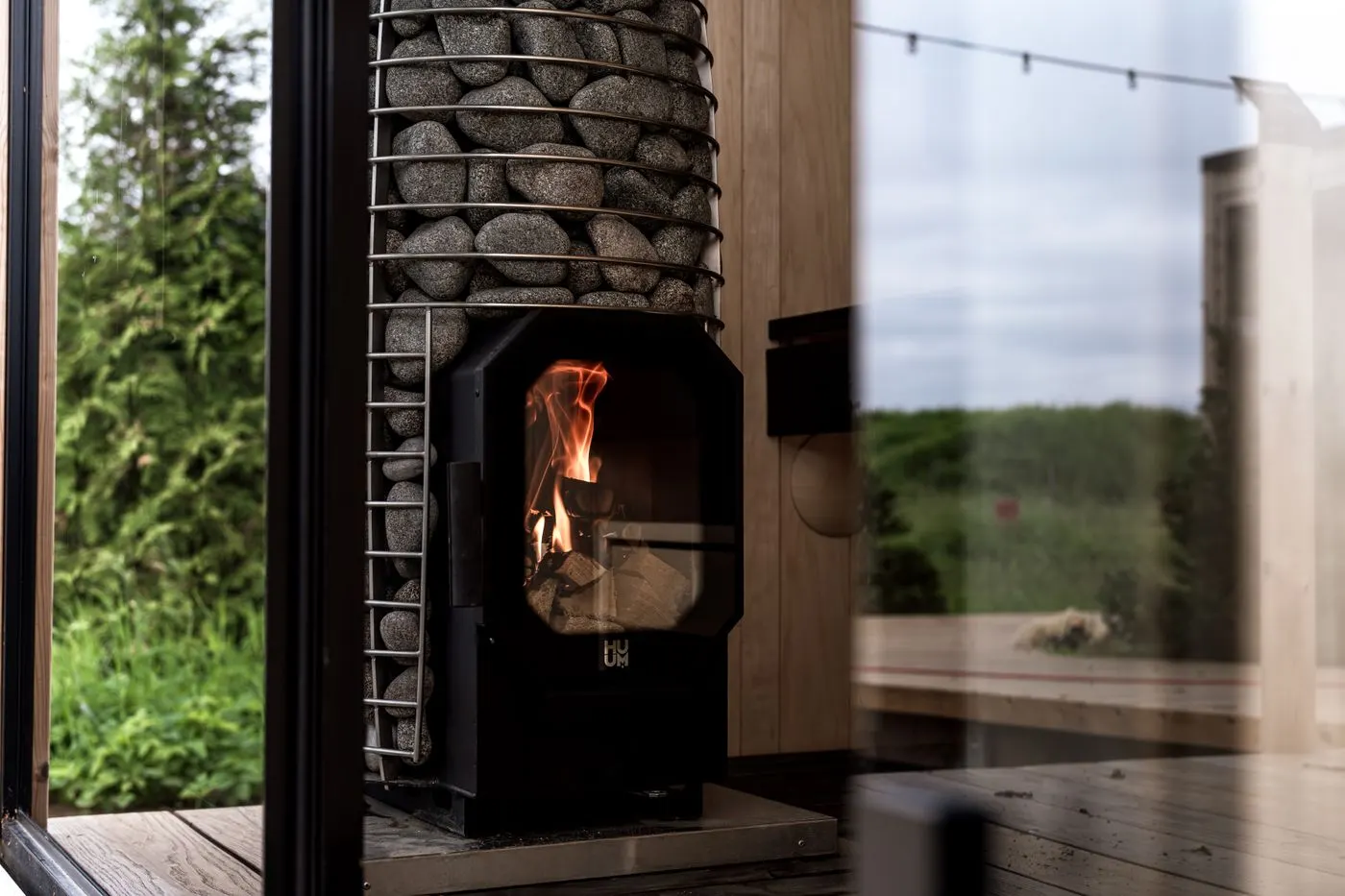
For a wood heater, weak heat often means a fire that won’t burn hot:
- Poor chimney draw — too short, cold, blocked or creosote-lined.
- Wet or green wood that smoulders instead of burning hot.
- Insufficient combustion air.
Use dry, seasoned wood, keep the chimney clean, and ensure adequate air. Persistent draw problems warrant a professional check.
6. Electric faults (last)
If you’ve ruled out the above and an electric heater genuinely underperforms — some elements not glowing, tripping, or no heat at all — that may be an element or wiring fault. This is not a DIY diagnosis: have a licensed electrician inspect and repair it, per electrical safety.
A quick diagnosis order
| Check | Likely if… |
|---|---|
| Heater size | Below the maker's outdoor rating for your room |
| Insulation / leaks | Thin shell, drafts, very exposed |
| Ventilation | Exhaust left open during warm-up |
| Stones | Cracked, dusty or packed tight |
| Wood fire | Poor draw, wet wood, low air |
| Electrical fault | Everything else ruled out |
When to call a professional
Some causes you can address yourself — closing the exhaust during warm-up, allowing more time in the cold, replacing degraded stones, or checking the sauna is well insulated. But others point to a fault that needs a professional. For an electric heater, if the electrical supply, a failing element, the thermostat or the controls are suspect, that’s work for a licensed electrician — not a DIY repair. For a wood heater, poor draw or weak heat can trace to the flue, combustion air or a fire that’s starved, which ties into carbon-monoxide safety. If the heater is simply worn out after years of use, it may need replacing rather than fixing. Rule out the simple causes first, but don’t keep running a heater that won’t heat and may be faulty — get it checked.
Common mistakes
- Blaming the heater first when insulation or sizing is the real cause.
- Warming up with the exhaust wide open.
- Neglected stones choking the heat.
- DIY electrical diagnosis instead of a licensed electrician.
Next steps
Start with sizing and insulation — together they explain most weak-heat cases — then check ventilation and stones. If an electric heater is genuinely faulty, call a licensed electrician.
Frequently asked questions
Why won't my sauna get hot enough?
Most often the heater is undersized for a cold outdoor sauna, or the envelope is losing heat through poor insulation or too much ventilation during warm-up. Tired or overpacked stones, and for wood heaters a poor-drawing chimney or wet wood, also cause it. Work through the causes from most to least likely.
Is my sauna heater too small?
Possibly — undersizing is the most common cause of weak heat in a Canadian winter, because an outdoor sauna loses more heat than an indoor one. Check the heater against the manufacturer's outdoor sizing for your room's volume and glass. If it's below the recommendation, that's likely the problem.
Can poor insulation stop a sauna heating?
Yes. If the walls, ceiling or door leak heat faster than the heater can supply it, the sauna never reaches temperature or takes far too long. Improving insulation and sealing air leaks often fixes weak heat without changing the heater. Insulation is the biggest lever after correct sizing.
Should I close the vents to heat faster?
During warm-up, keeping the exhaust vent mostly closed helps the sauna reach temperature faster; open it once you're bathing and afterward to dry. Leaving the exhaust wide open during warm-up dumps heat. Don't block ventilation entirely — balance it with an adjustable vent.
My electric sauna heater isn't heating — what now?
First rule out the simple causes: undersizing, insulation, over-ventilation and tired stones. If the heater genuinely underperforms — some elements not heating, tripping, or no heat — that may be an element or wiring fault. Electrical faults must be diagnosed and repaired by a licensed electrician, not DIY.