A wood-burning sauna heater can produce carbon monoxide if combustion is incomplete or the chimney draws poorly, and CO is colourless and odourless. Stay safe by fitting a suitable carbon-monoxide alarm, ensuring the heater has adequate combustion air and a clean, well-drawing certified chimney, never blocking ventilation, and following the manufacturer's and local requirements. Electric heaters produce no combustion gases.
Carbon monoxide is the one sauna hazard you can’t see, smell or taste — which is exactly what makes it dangerous. It only applies to wood-burning (or other fuel-burning) heaters, not electric ones, but if you have a wood stove in your sauna, understanding and preventing CO is essential.
Why carbon monoxide forms
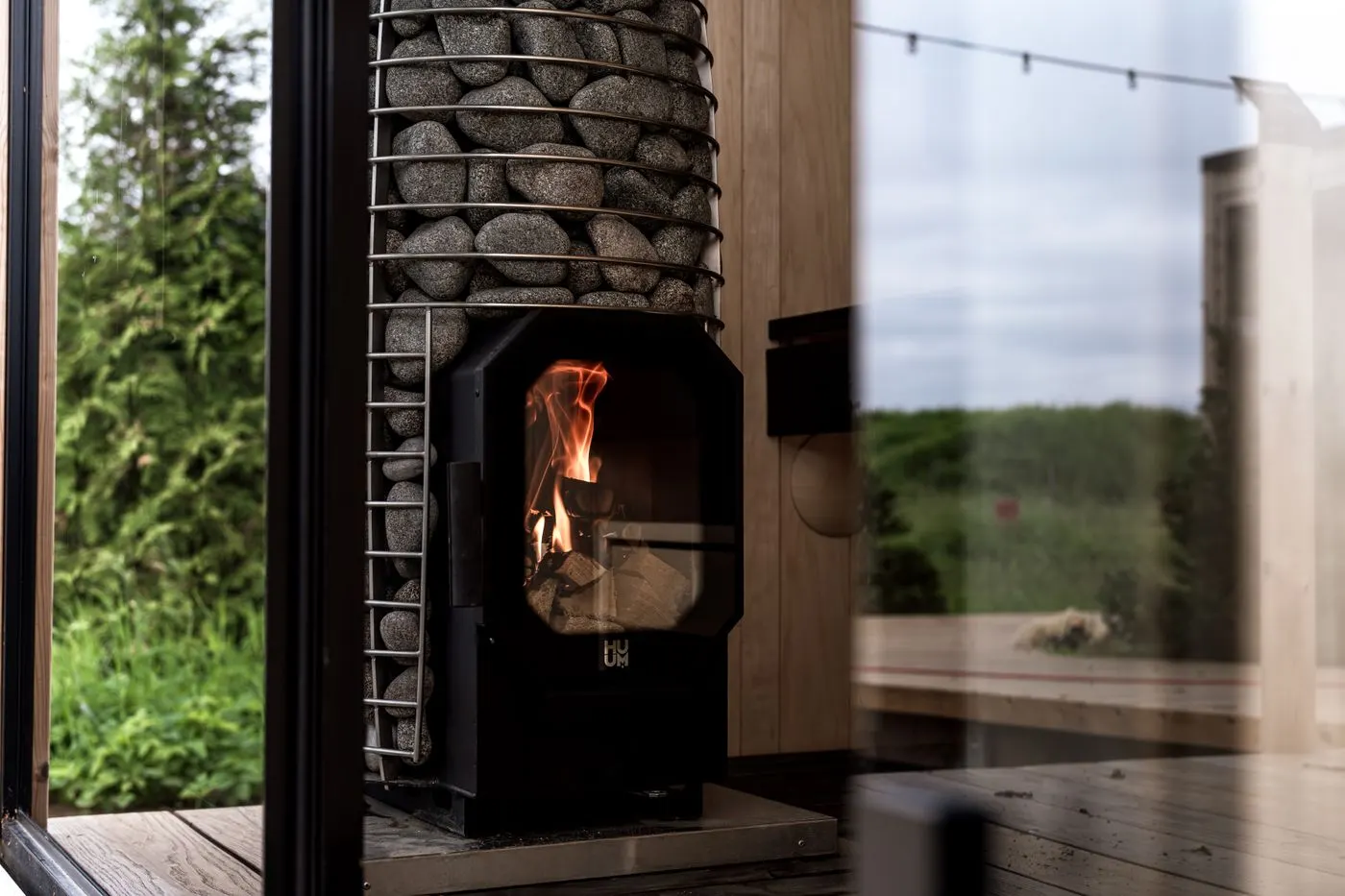
Burning wood releases combustion gases that are meant to go up the chimney and away. Carbon monoxide (CO) becomes a risk when that doesn’t happen cleanly:
- Incomplete combustion — a smouldering or starved fire produces more CO than a clean, hot burn.
- Poor chimney draft — a flue that’s too short, cold, blocked, dirty with creosote, or fighting downdraft can let gases spill back into the room instead of drawing them out.
- Insufficient combustion air — a heater starved of air burns poorly and can’t vent properly.
CO is colourless and odourless, and its early symptoms — headache, dizziness, nausea — are easy to mistake for simply being too hot. That combination is why it deserves real respect.
The defences
Safety comes from a stack of measures, not any single one:
- A certified chimney, of the correct height, installed to code, with proper clearances and penetration detailing — the foundation of safe venting.
- Adequate combustion air for the heater, per its manual, so it can burn cleanly and draw properly.
- Good room ventilation that you never block to “hold heat.”
- A clean flue — regular chimney cleaning to manage creosote and keep the draft strong.
- A carbon-monoxide alarm suitable for the location, placed and maintained per its instructions.
Fit and test a CO alarm
With any wood-burning heater, a working carbon-monoxide alarm is your early warning before symptoms start. Sauna heat and humidity affect which alarm suits and where it goes, so follow the alarm and heater manufacturers' guidance and any local requirement. Test it regularly.
Chimney draft in cold weather
Cold actually helps draft in one sense — a big temperature difference pulls gases up — but a cold, empty flue at start-up can be sluggish, and certain wind and temperature conditions cause downdraft. A correctly sized, insulated, certified chimney of adequate height, kept clean, is what gives reliable draw. If your stove regularly struggles to draw, treat it as a safety issue and have a professional assess it rather than living with a smoky, spilling fire.
If you suspect CO
If a CO alarm sounds, or anyone feels headachy, dizzy, nauseous, weak or confused:
- Get everyone out into fresh air immediately.
- Don’t re-enter until the cause is found and fixed.
- Seek medical help for anyone with symptoms.
Don’t dismiss symptoms as overheating — when in doubt, get out.
Electric heaters: no CO
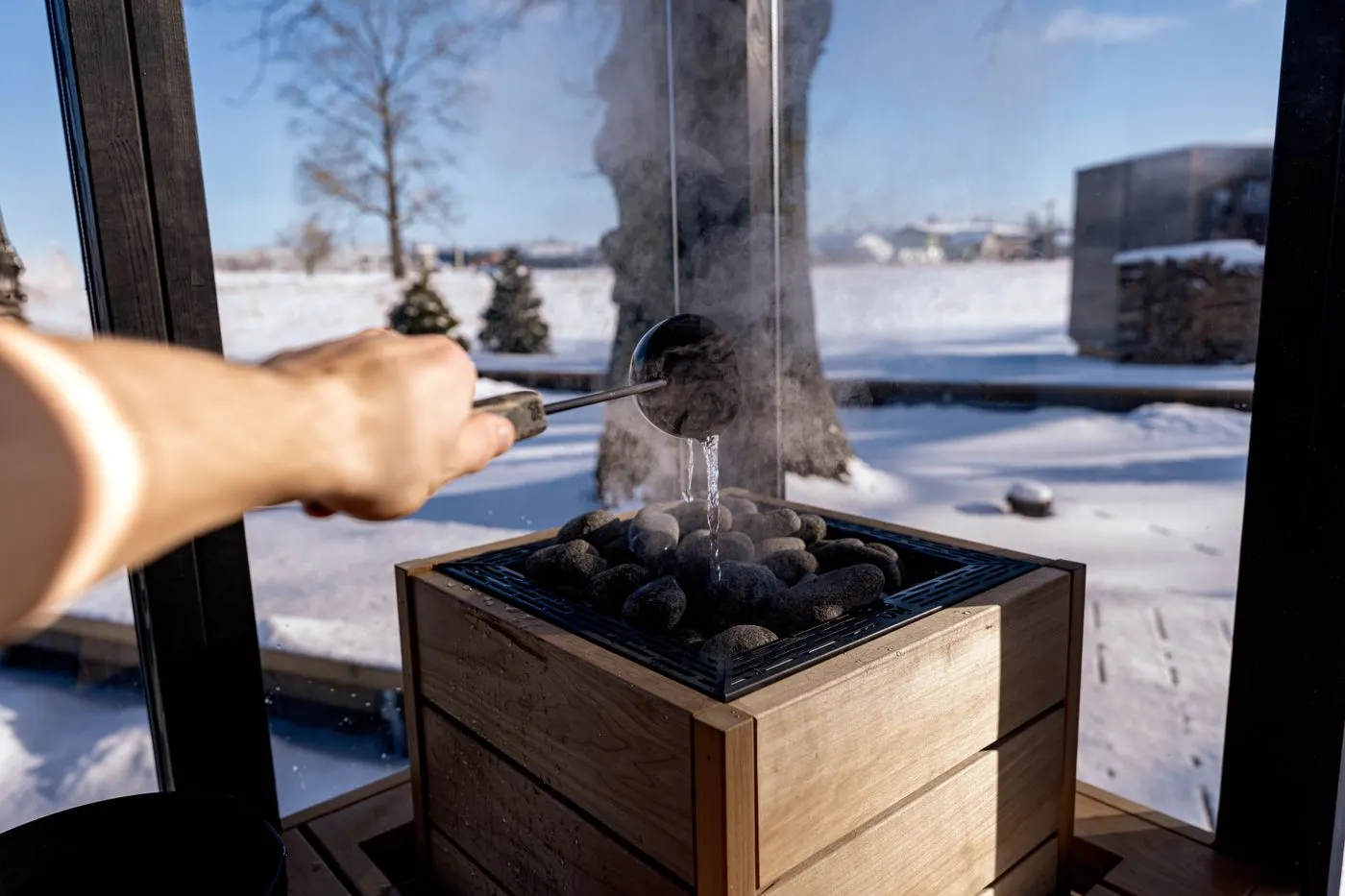
To be clear: electric sauna heaters produce no carbon monoxide because they burn no fuel. Everything here applies to wood-burning and other combustion heaters. If CO risk is a concern for your site, that’s one more factor in the electric vs wood decision.
Common mistakes
- No CO alarm with a wood heater.
- Blocking ventilation or combustion air to keep heat in.
- A neglected, creosote-lined chimney that draws poorly.
- Ignoring a smoky or spilling fire instead of fixing the draft.
- Mistaking CO symptoms for overheating — respect the alarm.
Next steps
CO safety is part of the wider safety picture and of owning a wood-burning heater. Keep the chimney clean as part of routine maintenance, and for installation specifics, follow the manufacturer’s manual, your local fire code and a qualified professional.
Frequently asked questions
Do wood-burning saunas produce carbon monoxide?
They can. Burning wood produces combustion gases that should vent up the chimney, but incomplete combustion or a poorly drawing flue can release carbon monoxide into the room. It's manageable with a certified chimney, adequate combustion air, good ventilation and a CO alarm, but it's a real risk to respect.
Do I need a CO alarm in a sauna?
With a wood-burning heater, a suitable carbon-monoxide alarm is a sensible precaution and may be required locally. Choose one rated for the conditions and follow the manufacturer's placement guidance, since sauna heat and humidity affect where and which alarm to use. Electric saunas don't need one for CO.
What are the symptoms of carbon monoxide poisoning?
Headache, dizziness, nausea, weakness and confusion are common early signs, and they can be mistaken for overheating. If you or others feel unwell, get out into fresh air immediately, and seek medical help. A CO alarm warns you before symptoms appear, which is why it matters.
Why won't my sauna stove draw properly?
Poor draft can come from a chimney that's too short, cold, blocked, dirty with creosote, or starved of combustion air, or from downdraft in certain wind and temperature conditions. A certified chimney of the correct height, kept clean, plus adequate combustion air, are the fixes — get a professional to assess persistent problems.
Does an electric sauna have a carbon-monoxide risk?
No. Electric heaters don't burn fuel, so they produce no carbon monoxide or other combustion gases. The carbon-monoxide precautions here apply specifically to wood-burning heaters and any other fuel-burning appliance.
How do I make sure my wood sauna is safe from CO?
Use a certified chimney of correct height installed to code, keep it clean and drawing well, provide the combustion air the heater needs, never block room ventilation, fit and test a CO alarm, and follow the manufacturer's and local fire-code requirements. Have a professional check anything you're unsure about.