Outdoor sauna safety comes down to a few essentials: keep the heater's certified clearances and non-combustible floor protection, have electrical work done by a licensed electrician, provide proper ventilation, fit a carbon-monoxide alarm with any wood-burning heater, supervise children, avoid alcohol and dehydration, and keep winter access paths clear of ice. For clearances and wiring, always follow the manufacturer's manual and your local codes — never generic values.
An outdoor sauna is a safe, enjoyable thing when it’s built and used properly — and most problems trace back to a shortcut somewhere. This is the overview of what matters; the detailed decisions (clearances, wiring specifics) belong to the manufacturer’s manual, your local codes and a qualified professional, and we’re deliberate about not substituting for them.
Heater clearances and fire protection
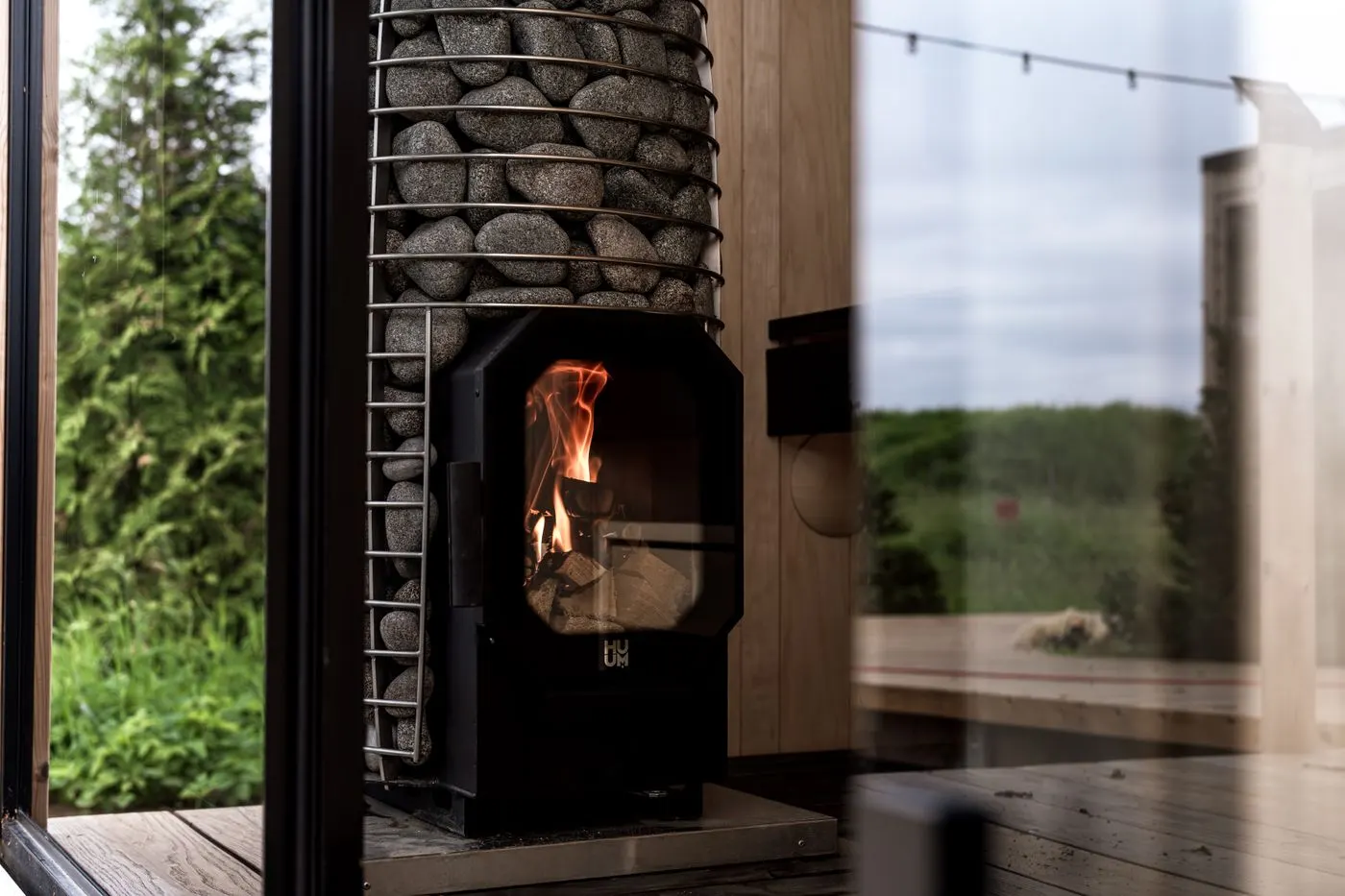
The heater is the biggest single safety item. Whether electric or wood-burning, it must have:
- Certified clearances to combustibles — the safe distances from the heater and, for wood stoves, the chimney to walls, benches and ceiling.
- Non-combustible floor protection beneath and around a wood-burning heater.
- A heater guard where people could brush against hot surfaces.
The critical point: clearances come from the certified system and the manufacturer’s manual for your specific heater — never a generic number you found somewhere. Scaling them by eye is how fires start. Follow the manual and your local fire code, full stop.
Electrical safety
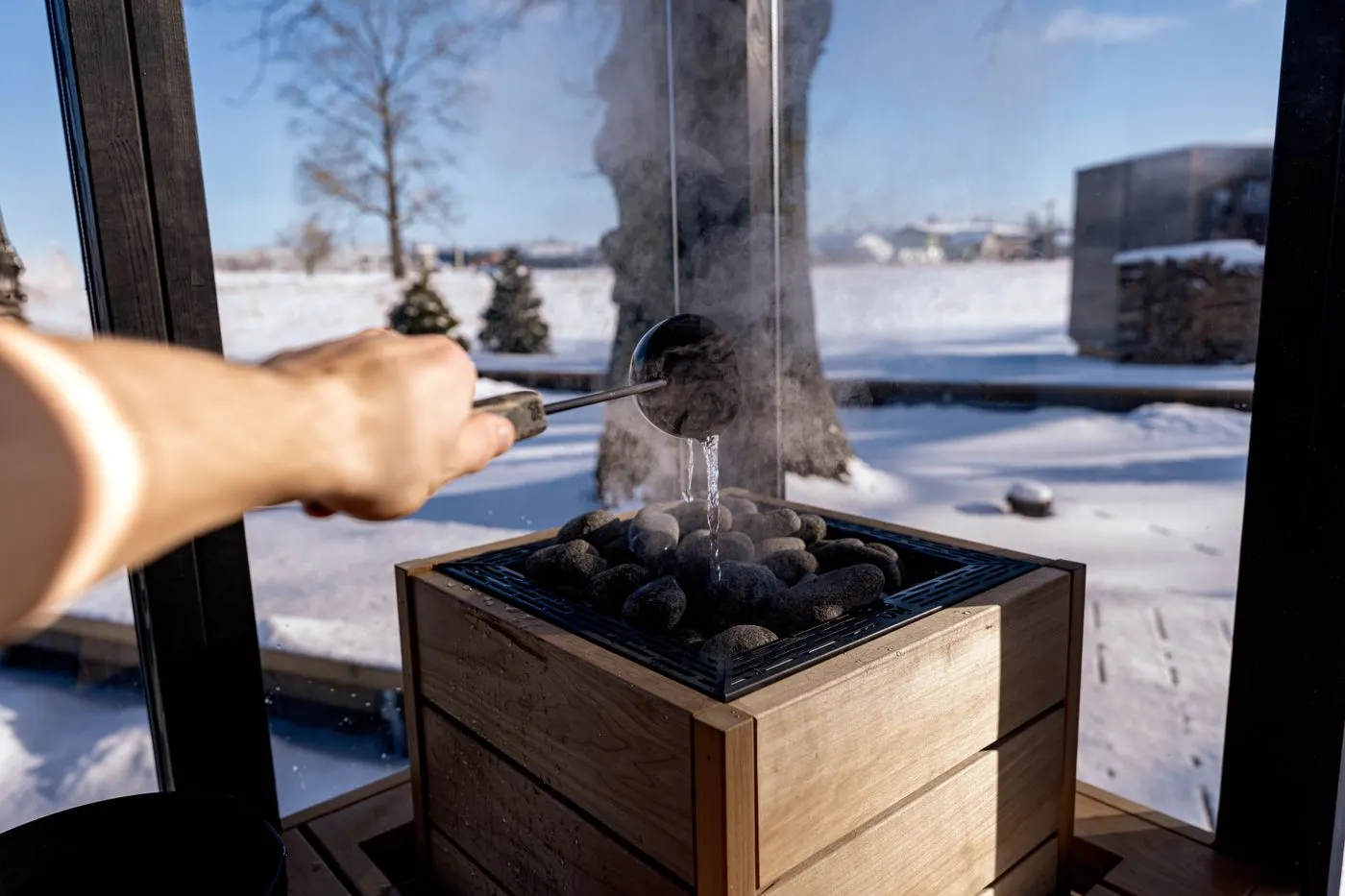
For an electric heater, the connection is a licensed, code-regulated job. It needs a suitable dedicated circuit, correctly rated wiring and protection, installed by a licensed electrician to your local electrical code, with outdoor-rated components where exposed. Don’t attempt heater wiring yourself, and confirm your supply can handle the heater before buying. Sensible extras — an accessible disconnect, weather protection for controls — should also be done to code.
Carbon monoxide (wood heaters)
A wood-burning heater burns fuel and vents through a chimney. If combustion is incomplete or the chimney draws poorly, it can produce carbon monoxide — a colourless, odourless gas. Fit a suitable CO alarm, never block ventilation or the combustion-air supply, keep the chimney clean and drawing well, and follow the manufacturer’s and local requirements. Electric saunas don’t produce combustion gases.
The clearances rule, restated
We never publish universal clearance values. The correct distances for your heater and chimney are in the certified system's documentation and the manufacturer's manual, and must meet your local fire code. When in doubt, a qualified installer settles it.
Ventilation and the door
Good ventilation isn’t only about comfort — it keeps the air fresh and, with a wood heater, supports safe combustion. And the door should open outward so it can never be blocked from inside, with a latch that opens easily even in the heat. Keep the path to the door clear.
Bathing safely
The heat itself calls for common sense:
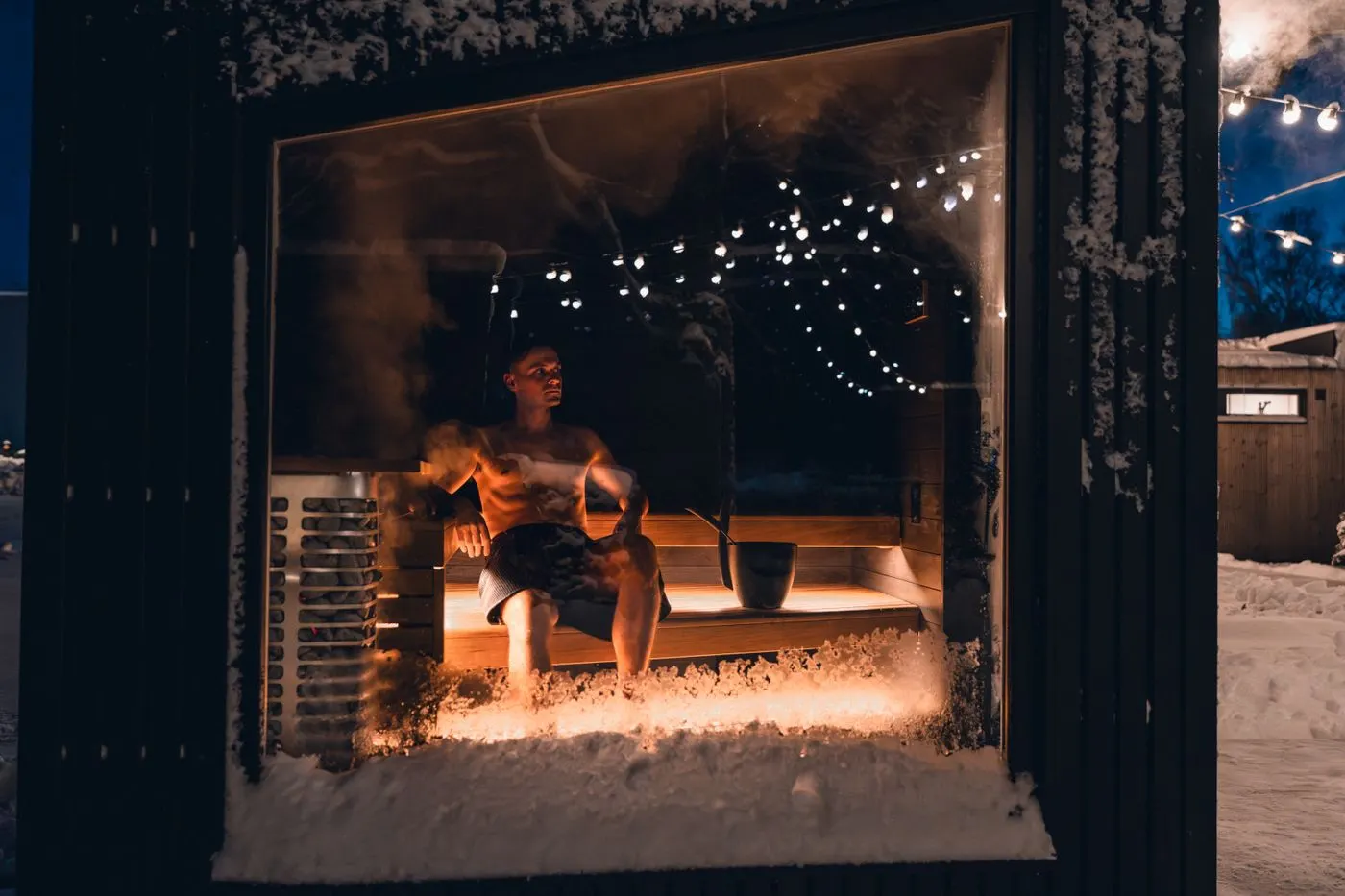
- Limit session length, cool down and rehydrate between rounds.
- Avoid alcohol before and during — it worsens dehydration and impairs judgement.
- Leave if you feel unwell — dizzy, faint or nauseous.
- Supervise children closely, with shorter, cooler sessions, and never leave them alone in or near the sauna.
- Take health seriously. A sauna is not a treatment, and high heat isn’t right for everyone; if you have a health condition or any doubt, ask a physician first. See our safety disclaimer.
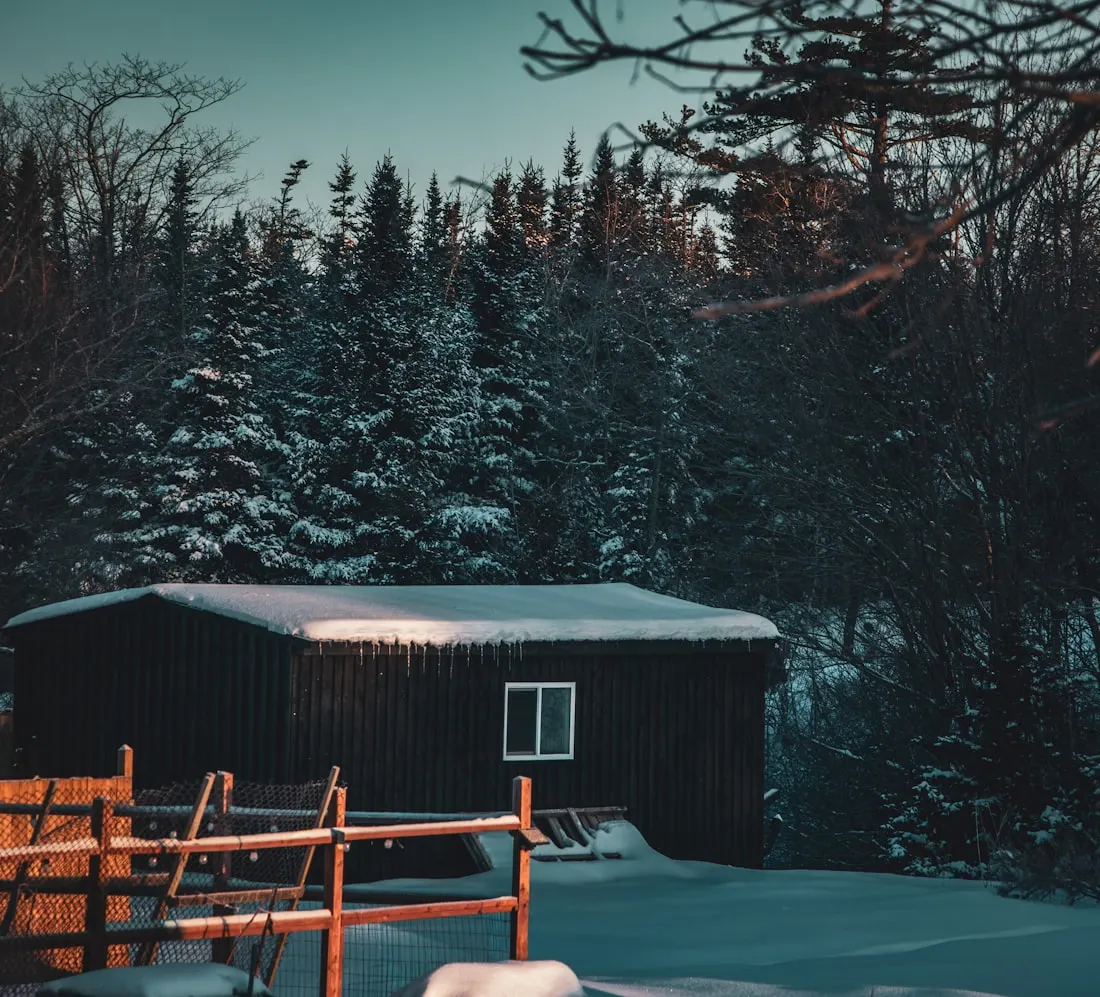
Winter-specific safety
Cold adds its own hazards:
- Icy access paths. Keep the route to the sauna cleared, sanded or gritted — a slip in the dark on ice is a real risk.
- Frozen doors. Don’t force them; see keeping a sauna door from freezing.
- Lighting. Light the path and entrance so people can move safely at night.
- Remote or timed starts. Use only as the manufacturer intends, and make sure no one and nothing is against the heater when it fires.
Common mistakes
- Guessing heater or chimney clearances. Use the manual and code.
- DIY electrical work. Always a licensed electrician.
- No CO alarm with a wood heater. Fit one; keep the chimney clean.
- Blocking ventilation to hold heat — unsafe and damp.
- Icy, unlit paths to the sauna in winter.
- Leaving children unsupervised.
Next steps
Safety runs through every part of a sauna. Get the heater sizing and installation right, the ventilation working, and read our safety disclaimer for the important limits on this information — then, for anything specific, consult the manufacturer and a qualified professional.
Frequently asked questions
Are outdoor saunas safe?
Used sensibly, yes. The risks — high heat, electricity or fire, and icy winter access — are all manageable with proper installation, ventilation, a carbon-monoxide alarm for wood heaters, sensible bathing habits and supervision. Most incidents come from cutting corners on installation or ignoring basic precautions.
What are the main safety risks of a sauna?
Burns and fire from the heater and its clearances, electrical hazards from improper wiring, carbon-monoxide from a wood-burning heater venting poorly, overheating and dehydration in the heat, slips on icy paths in winter, and risks to unsupervised children. Each has a straightforward precaution.
Do I need a carbon-monoxide alarm in a sauna?
With a wood-burning heater, a suitable carbon-monoxide alarm is a sensible precaution, because incomplete combustion or a poorly drawing chimney can produce CO. Electric saunas don't produce combustion gases. Follow local requirements and the heater manufacturer's guidance, and never block ventilation.
How hot is too hot in a sauna?
Comfortable sauna temperatures vary by tradition and person, and there's no single safe number for everyone. Listen to your body, limit session length, cool down and rehydrate between rounds, and leave if you feel unwell. People with health conditions should seek medical advice first — see our safety disclaimer.
Can children use a sauna?
Only with close adult supervision, shorter and cooler sessions, and care around hot surfaces and the heater. Children are more susceptible to overheating and dehydration. Never leave a child unattended in or near a hot sauna, and keep the heater guarded.
Should a sauna have an emergency shut-off?
An accessible way to turn the heater off, and an outward-opening door that can never be blocked from inside, are important. Electric heaters have controls and often a timer; follow the manufacturer's guidance on safe operation and any recommended disconnect, installed by a licensed electrician.