Replace sauna stones when they start to crack, crumble or pack down and block airflow — for a regularly used sauna that's often every year or two, and sooner for heavy use. Inspect them at least annually, remove any broken or dust-shedding stones, and re-stack them loosely so air and steam can move. Using the wrong rocks, such as landscaping stone, can be unsafe.
Sauna stones are easy to forget — until the steam goes weak or a stone cracks apart mid-session. They do real work, taking the heater’s energy and releasing it as the soft burst of steam (löyly) when you add water. Like anything cycled between fierce heat and sudden cooling, they wear out. Here’s when to replace them and how to keep them healthy.
Why stones wear out
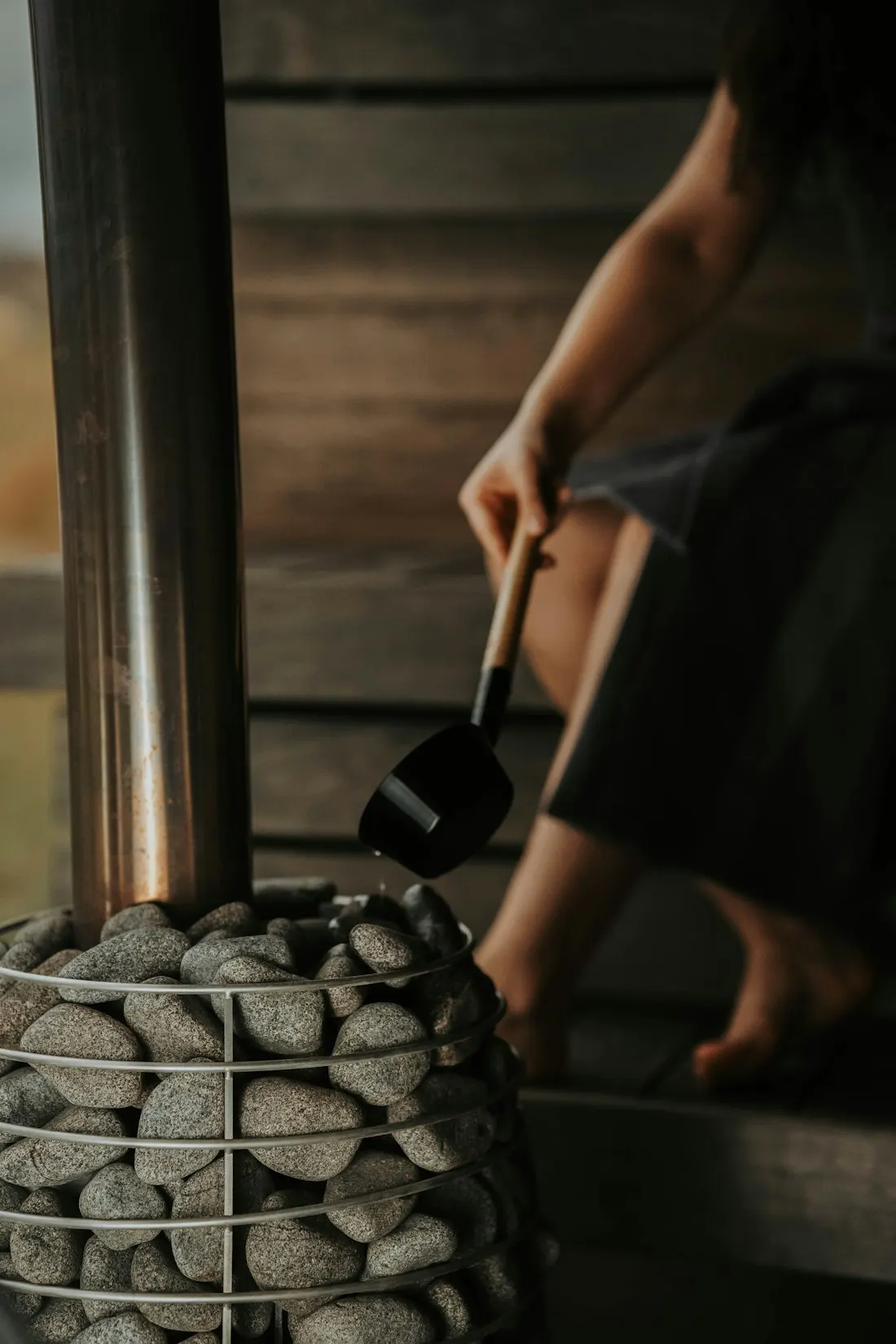
Every time you pour water on hot stones, the surface cools suddenly while the inside stays hot. That thermal shock, repeated hundreds of times, stresses the stone until it cracks and eventually crumbles. Over time stones also pack down, settling tighter together so air and steam can’t move between them — which weakens the steam and makes the heater work harder. Both are normal; both are why stones are a consumable, not a fixture.
How often to replace them
There’s no fixed date, because it depends on use and stone quality, but as a guide:
- Regular home use: often every one to two years.
- Heavy or commercial-style use: more frequently.
- Poor-quality or wrong stones: sooner, sometimes within a season.
The reliable rule is condition over calendar. Inspect at least once a year and let the stones’ state decide.
Signs it’s time
Replace (or at least sort and re-stack) the stones when you see:
- Cracked or split stones, or pieces broken off.
- Crumbling and dust collecting at the bottom of the heater.
- Tightly packed stones with little space for air.
- Weak or slow steam, or a heater struggling to perform.
Any of these means airflow and heat transfer are compromised.
Loading stones correctly
How you stack them matters as much as the stones themselves:
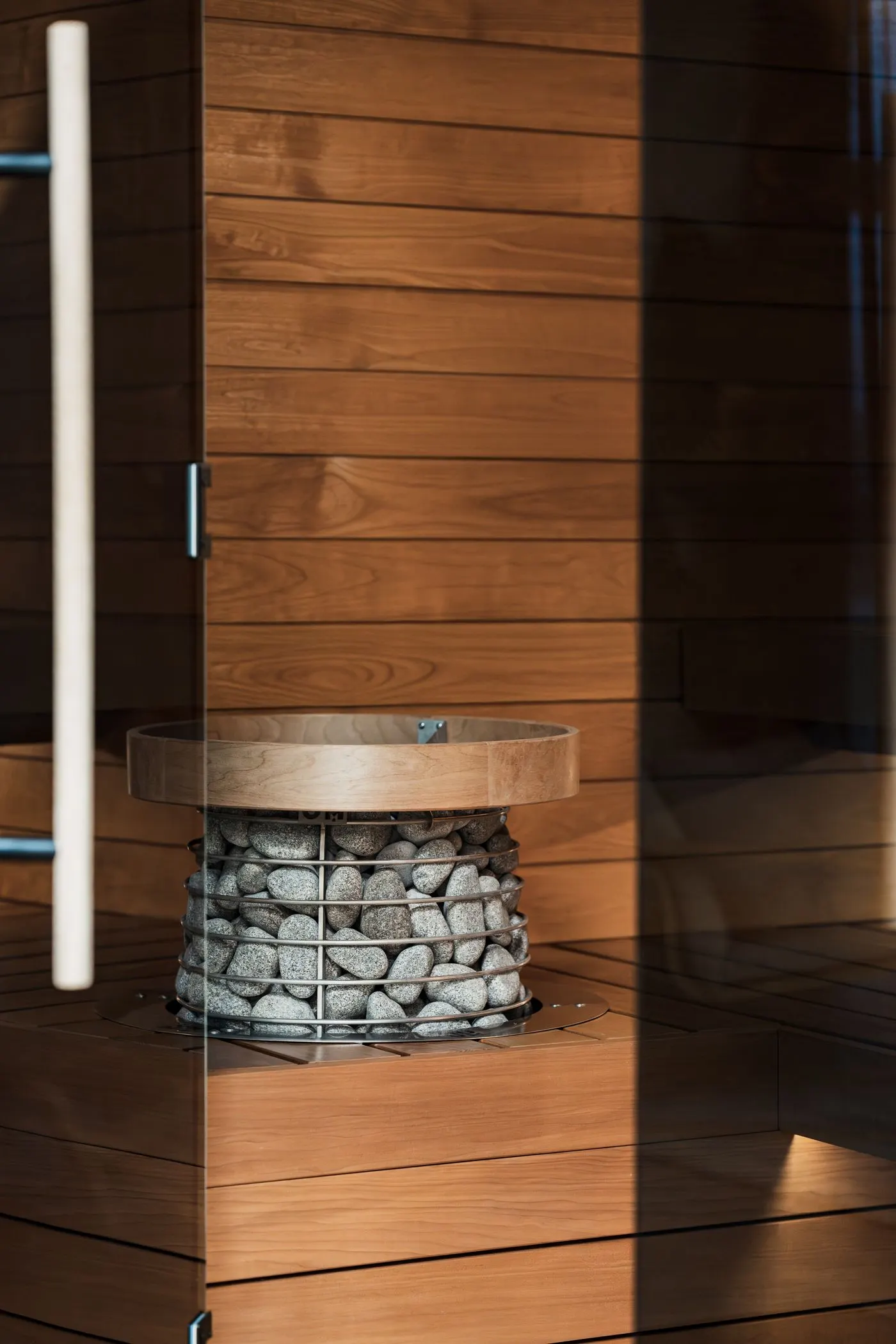
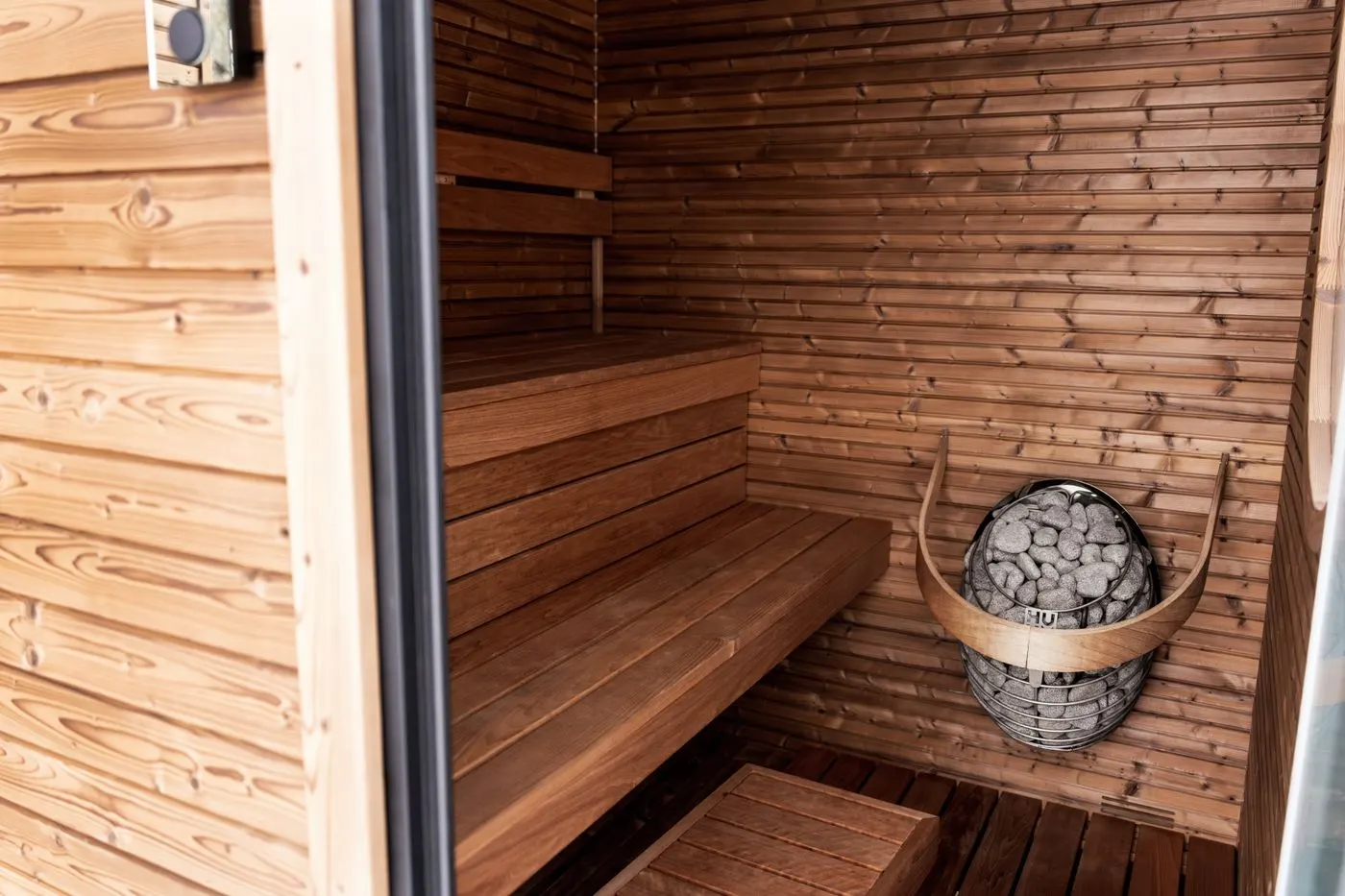
- Loosely, not packed. Air and steam need to circulate between the stones.
- Larger at the bottom, smaller above, following your heater’s guidance.
- Don’t overfill. Too many stones restricts airflow and can stress the elements (electric) or firebox (wood).
- Follow the manufacturer’s quantity and arrangement for your specific heater.
Use proper sauna stones
Don't use random landscaping or river rocks. Ordinary rocks can hold moisture or minerals that make them crack, shatter or even burst when heated, and some may give off unpleasant fumes. Use stones sold and rated as sauna stones for your heater type.
A simple maintenance routine
Once or twice a year — and any time steam quality drops — do this:
- With the heater cold, remove all the stones.
- Discard any that are cracked, split or crumbling, plus the dust at the bottom.
- Rinse the keepers to clear grit.
- Re-stack loosely, larger below, smaller above.
- If you’re throwing out a lot of stones, top up or fully replace the set.
This keeps the airflow open, the steam clean, and gives you a regular look at whether a full replacement is due.
Winter note
If your sauna sits unused and freezing for stretches, moisture trapped in ageing or unsuitable stones is more prone to cracking them. Good-quality stones handle the cycle better; another reason to use proper sauna stones and retire tired ones promptly.
Common mistakes
- Using landscaping or river rocks. A safety risk — use rated sauna stones.
- Packing stones tight. Kills the airflow that makes good steam.
- Overfilling the heater. Restricts air and stresses the heater.
- Never inspecting. Cracked stones and dust build up unnoticed.
- Ignoring weak steam. It’s usually the stones telling you they’re done.
Next steps
Stone care is part of routine maintenance. Pair it with keeping the heater, chimney (for wood) and interior in good order, and if your steam still disappoints after fresh stones, check the heater is correctly sized for the room.
Frequently asked questions
How often should you replace sauna stones?
For a regularly used sauna, roughly every one to two years, and sooner with heavy use or if stones crack early. The real trigger is condition, not the calendar: replace them once they crack, crumble, shed dust or pack down and restrict airflow. Inspect at least once a year.
How do I know when sauna stones need replacing?
Look for cracked or split stones, crumbling or dust at the bottom of the heater, stones that have packed tightly together, or a heater that struggles to make good steam. Any of these means airflow and heat transfer are suffering and it's time to sort or replace the stones.
Why do sauna stones crack?
Repeated heating and rapid cooling — especially the thermal shock of throwing water on them — stresses the stone until it cracks. Unsuitable stone types crack much faster. Using proper, dense sauna stones and re-stacking them periodically reduces breakage.
Can you use landscaping rocks in a sauna heater?
It's not recommended. Ordinary landscaping or river rocks can contain moisture pockets or minerals that make them crack, shatter or even explode when heated, and some may release unpleasant or harmful substances. Use stones sold and rated as sauna stones for your heater.
How should sauna stones be stacked?
Load them loosely, largest at the bottom and smaller above, so air and steam can circulate freely between them — not packed tight. Follow your heater manufacturer's guidance on quantity and arrangement, and don't overfill, which can restrict airflow and stress the elements or firebox.
Do you need to clean sauna stones?
Periodically, yes. When you inspect them, remove and rinse the stones, discard any cracked or crumbling ones and the dust at the bottom, then re-stack loosely. This keeps airflow good and steam clean, and is a natural time to judge whether a full replacement is due.