Sauna wood care differs inside and out. The interior hot-room timber is kept clean, dry and usually bare, sanded lightly if it roughens, and left unsealed or given only a sauna-specific treatment — never ordinary varnish. The exterior cladding is exposed to weather, so it benefits from a suitable protective finish, kept up periodically, plus inspection for rot and moisture. Keeping both dry, inspecting for damage, and using the right (or no) finish for each surface keeps sauna timber sound for decades.
Wood is what makes a sauna a sauna — and, like any timber exposed to heat, humidity and weather, it rewards the right care. The key insight is that a sauna has two very different wood environments: the hot, humid interior and the weather-facing exterior. Each needs a different approach, and using the wrong one — sealing the interior, or leaving the exterior unprotected — causes problems. This guide covers caring for both.
Two environments, two approaches
| Interior (hot room) | Exterior (cladding) | |
|---|---|---|
| Environment | Hot, humid, skin contact | Weather, UV, freeze-thaw |
| Finish | Bare or sauna-specific treatment only | Suitable protective weather finish |
| Main care | Keep clean and dry; light sanding | Protect and inspect; keep water off |
| Never | Ordinary varnish or sealant | Leave fully unprotected long-term |
Get the right treatment for each surface and the wood lasts; confuse them and you get sticky, off-gassing interior wood or weather-worn exterior cladding.
Interior hot-room wood
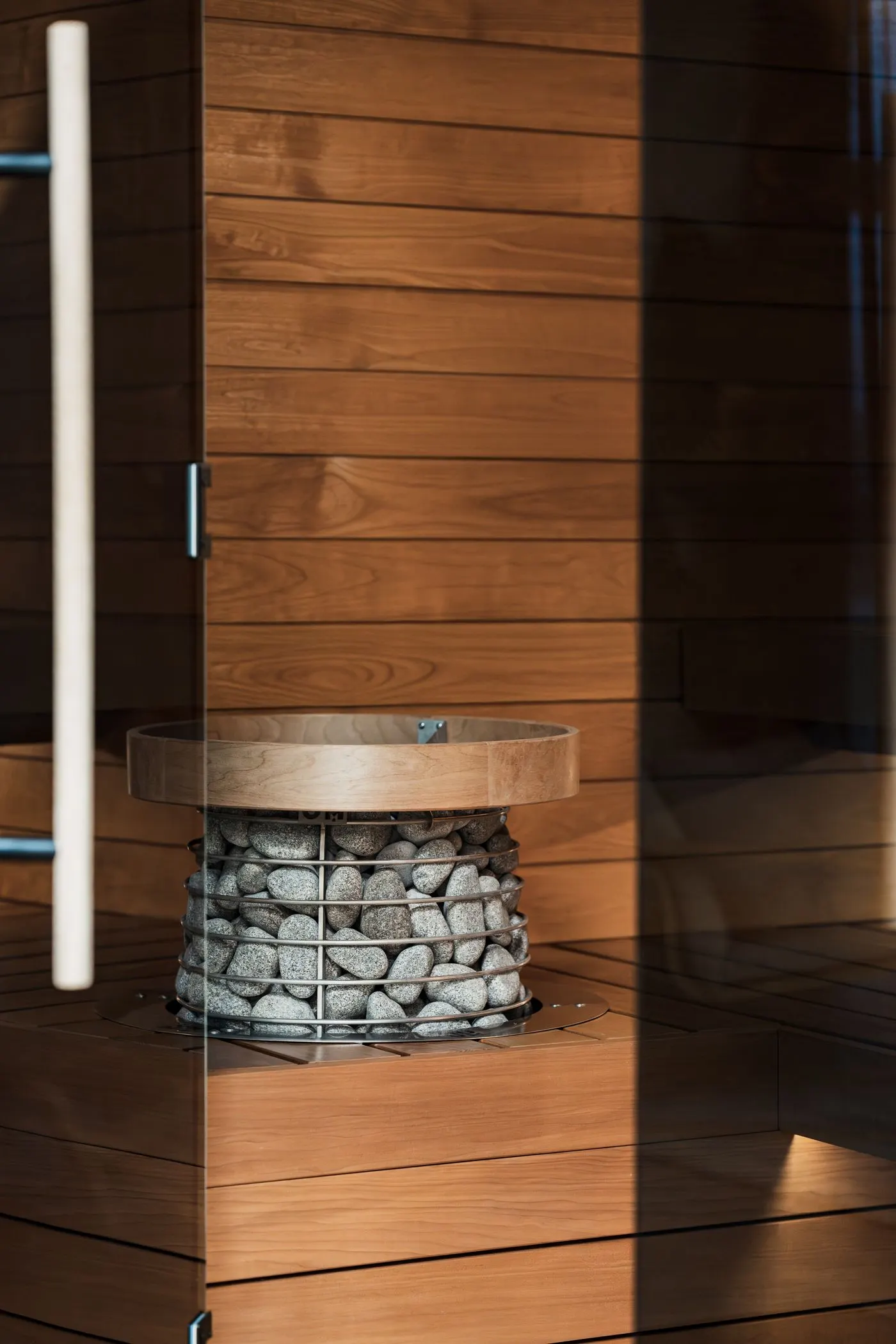
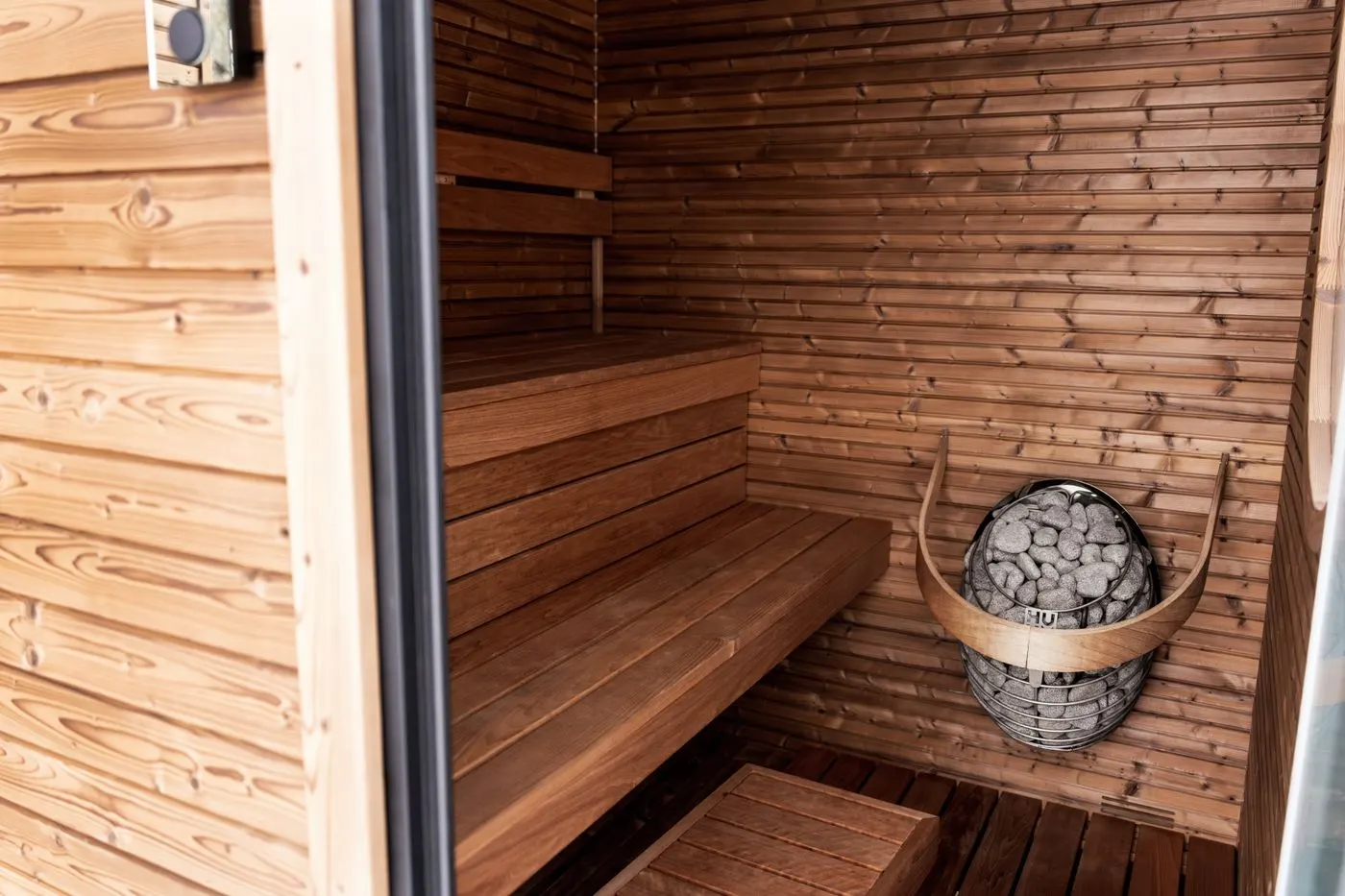
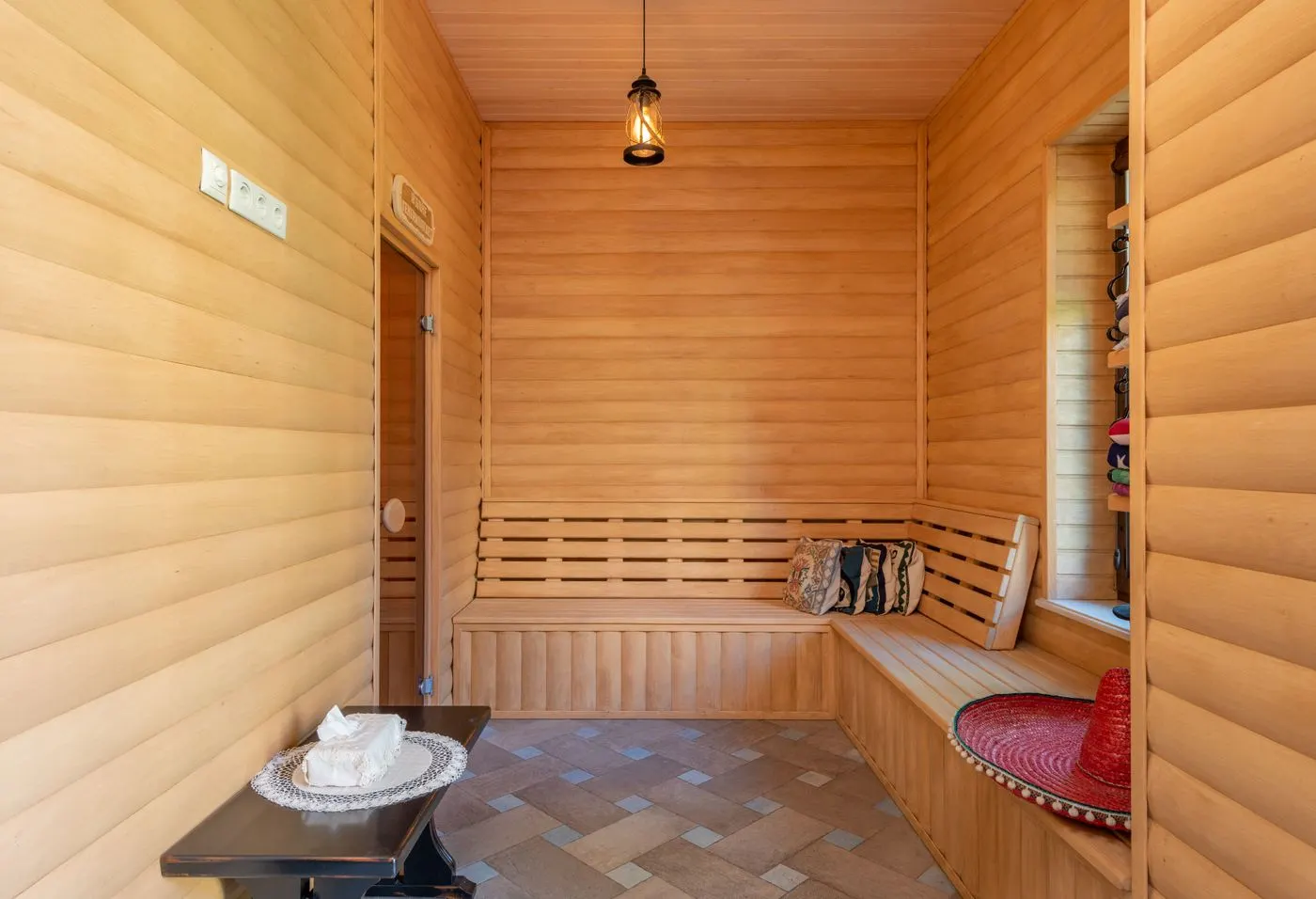
The interior wood is kept clean, dry and usually bare:
- Keep it dry — the foundation of all interior wood care; dry the sauna after use.
- Clean it gently — see cleaning an outdoor sauna.
- Sand lightly if it roughens, greys or stains — especially benches — along the grain, then clean off the dust.
- Finish only with a sauna-specific treatment if any; never ordinary varnish or sealant, which can’t take the heat and may off-gas or become sticky.
Sitting on a towel keeps sweat off the wood and reduces staining in the first place.
Exterior cladding
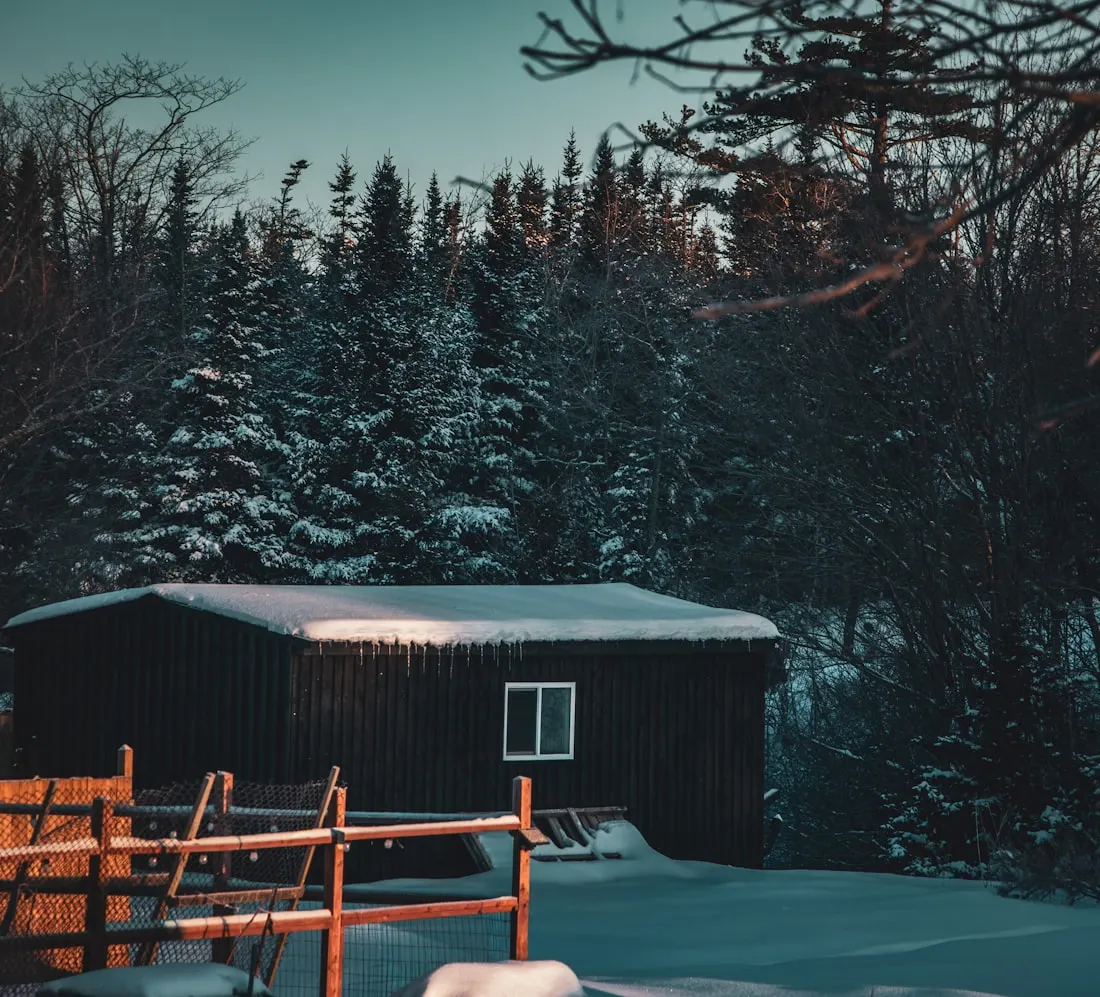
The exterior cladding faces weather, so it needs protection:
- Apply a suitable exterior wood finish appropriate to your cladding, and keep it up periodically.
- Rely on generous roof overhangs and a rain-screen detail to keep water off.
- Inspect for rot and moisture, especially at the base where walls meet the ground, at low points, and around the door and windows.
Naturally durable woods like cedar and thermowood need less, but still benefit from care and inspection.
Inspecting the wood
Regular inspection catches problems early. Look for:
- Rot, soft or discoloured wood — especially at the base, low points, and under the roof.
- Trapped moisture anywhere.
- Interior staining or dampness on benches and floor.
Catching damage early — and, crucially, fixing the moisture behind it — keeps small issues from becoming structural ones. Fold this into your seasonal inspection and after-winter checkup.
Greying and darkening
- Exterior greying is natural over time (UV and weather); a protective finish slows it.
- Interior dark patches usually mean moisture or early mould — improve drying and clean the wood; sanding can refresh it.
Persistent interior darkening points to a moisture problem to fix, not just a cosmetic one.
Common mistakes
- Varnishing or sealing the interior hot room.
- Leaving exterior cladding unprotected long-term.
- Ignoring rot at the base and low points.
- Not sanding roughened, stained interior wood.
- Treating darkening as cosmetic when it signals moisture.
Next steps
Care for sauna wood by surface: keep the interior clean, dry and bare (or sauna-treated), protect and inspect the exterior, and fix moisture at the source. Pair this with cleaning, mould prevention and exterior wood protection, and your sauna’s timber will stay sound and handsome for decades.
Frequently asked questions
How do you care for sauna wood?
Differently inside and out. Keep the interior hot-room wood clean, dry and usually bare, sanding lightly if it roughens and using only a sauna-specific treatment if any. Protect the exterior cladding with a suitable weather finish kept up periodically. Inspect both for rot, moisture and damage. Keeping the wood dry and using the right finish for each surface is the essence of wood care.
Should you treat or seal sauna wood?
The interior hot room is usually left bare or given only a sauna-specific treatment — never ordinary varnish or sealant, which can't take the heat and may off-gas or become sticky. The exterior cladding, by contrast, benefits from an appropriate protective weather finish. So the answer depends on which surface: bare inside, protected outside.
Can I sand sauna benches and walls?
Yes — light sanding refreshes interior wood that has roughened, greyed or stained over time, bringing back a smooth, clean surface, especially on benches. Sand gently along the grain and clean off the dust. It's a normal part of interior wood care. Keep the wood bare or re-apply only a sauna-appropriate treatment afterward, not ordinary varnish.
How do I protect the outside of my sauna?
The exterior cladding faces weather, so protect it with a suitable exterior wood finish appropriate to your cladding, kept up periodically, and rely on generous roof overhangs and a rain-screen detail to keep water off. Inspect the exterior for rot and moisture, especially at the base and low points. Naturally durable woods like cedar and thermowood need less, but still benefit from care.
What should I inspect on sauna wood?
Look for rot, soft or discoloured wood, and trapped moisture — especially at the base where walls meet the ground, at low points, around the door and windows, and under the roof. Inside, check benches and the floor for staining or dampness. Catching damage early, and fixing the moisture behind it, keeps small issues from becoming structural ones.
Why is my sauna wood turning grey or dark?
Greying is natural for exposed exterior wood over time (UV and weather); dark patches inside usually mean moisture or the start of mould. For exterior greying, a protective finish slows it; for interior darkening, improve drying and clean the wood. Sanding can refresh both surfaces. Persistent interior darkening points to a moisture problem to fix.