Protect an outdoor sauna's exterior wood by keeping weather off it and treating it appropriately: apply a suitable exterior wood finish for your cladding and keep it up periodically, rely on generous roof overhangs and a rain-screen detail to shed water, ensure good drainage away from the base, and inspect for rot and moisture — especially where walls meet the ground. Naturally durable woods like cedar and thermowood need less, but all exterior timber lasts longer when the weather is kept off and it's maintained.
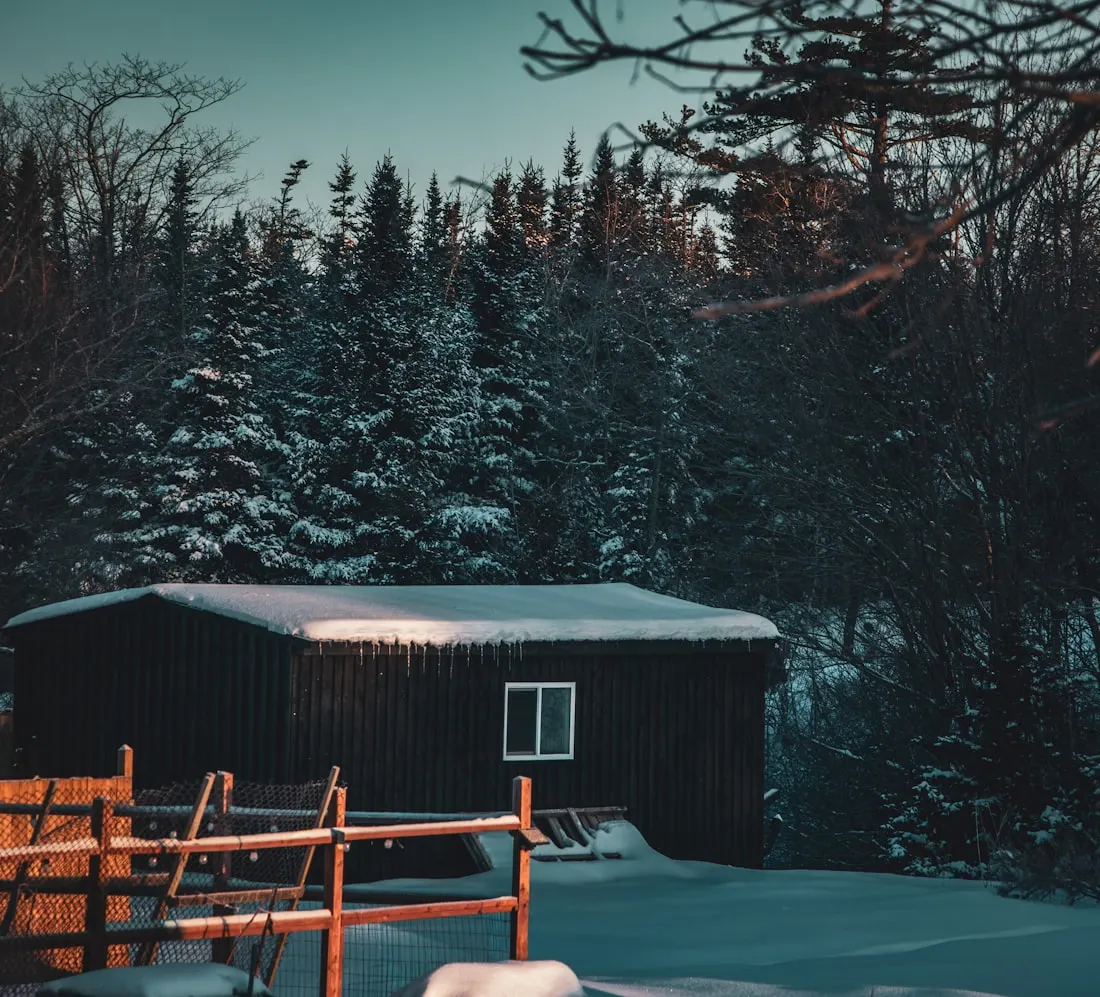
The exterior cladding is your sauna’s raincoat, and in a Canadian climate it takes a beating: rain, snow, UV and freeze-thaw all work at it year-round. Unlike the interior hot room, which is kept bare, the exterior benefits from protection and upkeep. The goal is simple — keep the weather off, treat the wood appropriately, and catch rot early. This guide covers how to keep weather-facing timber sound for decades.
Keep the weather off first
Before any finish, the best protection is keeping water off the wood in the first place — which is designed into the build:
- Generous roof overhangs keep rain and snowmelt off the walls, dramatically reducing what the cladding must shed.
- A rain-screen detail (the ventilated gap behind the cladding) lets any water that gets past drain and dry.
- Good drainage carries water away from the base.
These do more for longevity than any coating. A protective finish is the second line of defence, not the first.
Treat the exterior appropriately
Unlike the bare interior, the exterior should be protected:
- Apply a suitable exterior wood finish for your cladding material.
- Keep it up periodically, on the product’s and your climate’s schedule.
The right finish depends on the wood and the look you want (natural or coated). Naturally durable woods — cedar and thermowood — need less, and some people let cedar grey naturally. Whether you treat or weather it is partly aesthetic; either way, keep the weather off and inspect for rot.
Inspect for rot — especially at the base
Exterior wood rots first where water collects, so inspect closely at:
- The base, where walls meet the ground and water can splash or pool.
- Low points.
- Around the door and windows.
Catching rot early — and, crucially, fixing the water causing it (drainage, a raised foundation, moisture separation) — prevents structural problems. This base-course inspection is a key part of your seasonal check and after-winter routine.
A maintenance rhythm
| Task | Frequency |
|---|---|
| Inspect base, low points, openings | Once or twice a year |
| Refresh protective finish | Per product / climate schedule |
| Check drainage away from base | Seasonally, and after winter |
| Clear debris off ledges and base | As needed |
Regular, light maintenance is far easier than dealing with weathered, rotting cladding later.
Common mistakes
- Leaving exterior cladding unprotected long-term.
- Short overhangs that let water run down the walls.
- Poor drainage at the base, collecting water.
- Ignoring the base course where rot starts.
- Treating the exterior like the bare interior (or vice versa).
Next steps
Protect exterior wood by keeping weather off it (overhangs, rain screen, drainage), treating it appropriately, and inspecting the base for rot. Pair this with interior wood care and your seasonal inspection, and the sauna will stay sound and handsome outside as well as in.
Frequently asked questions
How do I protect the outside of my sauna?
Keep the weather off it and treat it appropriately: apply a suitable exterior wood finish for your cladding and refresh it periodically, rely on generous roof overhangs and a rain-screen detail to shed water, drain water away from the base, and inspect for rot and moisture. Naturally durable woods need less, but all exterior sauna wood lasts longer with this care.
What finish should I use on exterior sauna wood?
An exterior wood finish appropriate to your cladding material — the exterior faces weather and UV, unlike the bare interior hot room, so it benefits from protection. Options depend on the wood and the look you want (natural or coated). Keep whatever you use maintained on the manufacturer's schedule. The point is that exterior wood, unlike the interior, should be protected.
Does cedar cladding need treatment?
Cedar is naturally durable and rot-resistant, so it needs less than many woods and some people let it grey naturally — but even cedar lasts longer and looks better with periodic protection and good detailing that keeps water off. Whether you treat it or let it weather is partly aesthetic; either way, keep the weather off with overhangs and drainage, and inspect for rot.
How do roof overhangs protect the cladding?
Generous overhangs keep rain and snowmelt off the walls, dramatically reducing the water the cladding has to shed and greatly extending its life. They also shelter the door and windows. Short overhangs let water run down the walls, accelerating wear and moisture problems. Good overhangs are one of the cheapest, most effective protections for exterior wood.
Where does exterior sauna wood rot first?
Usually at the base, where the walls meet the ground and water can collect or splash, and at low points and around openings. These are the areas to inspect closely and to protect with good drainage, a raised foundation and moisture separation. Catching rot early at the base — and fixing the water causing it — prevents structural problems.
How often should I maintain exterior sauna wood?
Inspect it at least once or twice a year — a spring and/or fall check is ideal — and refresh the protective finish on the schedule the product and your climate call for. Keep an eye on the base, low points and openings. Regular, light maintenance is far easier than dealing with weathered, rotting cladding later, and keeps the sauna looking good.