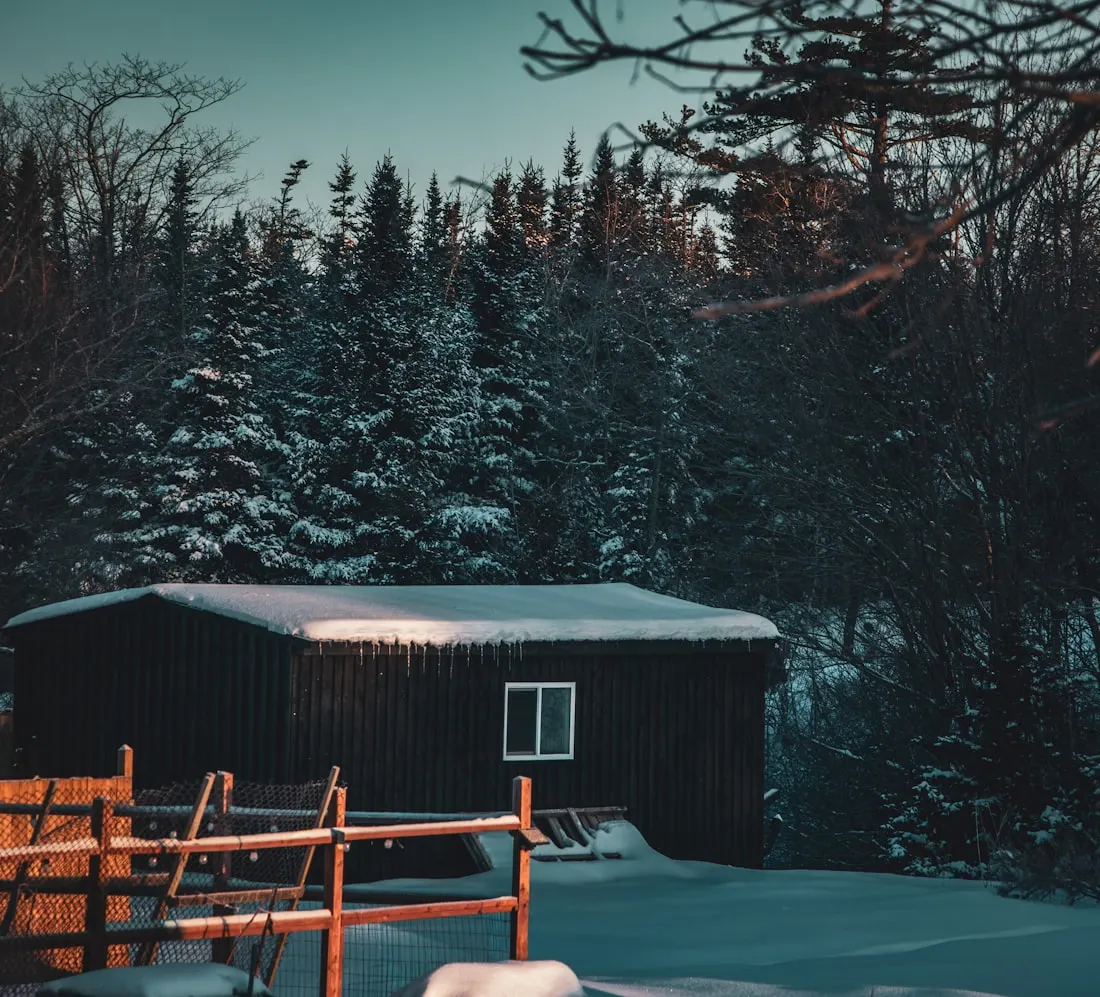
Outdoor sauna exterior cladding is the weather face of the sauna, and in a Canadian climate it works best as part of a system: a weather-resistant membrane over the sheathing, a ventilated rain-screen gap, then the cladding itself — commonly cedar, thermowood or another durable, weather-tolerant material. The rain-screen gap lets the wall shed and dry any water that gets past the surface, which is what makes the cladding and the structure last through freeze-thaw.
The exterior cladding is the face your sauna shows the world — and its first line of defence against a Canadian climate of rain, snow, sun and freeze-thaw. Choosing a handsome, durable material matters, but what really makes cladding last is the system behind it: a membrane and a ventilated gap that let the wall shed and dry water. This guide covers both the materials and the detailing that keep an outdoor sauna weather-tight for decades.
Cladding is a system, not just a board
It’s tempting to think of cladding as “the wood on the outside,” but in a cold, wet climate it works best as a layered system. From the structure outward:
- Sheathing — the structural board over the framing.
- Weather-resistant membrane — sheds bulk water, lets the wall dry outward.
- Rain-screen gap — a ventilated space (on battens) behind the cladding.
- Exterior cladding — the weather face you see.
The cladding is the first defence; the membrane and gap are the backup that makes the whole assembly durable. Skip them and you’re relying on the cladding alone, which is how walls get wet.
The rain-screen gap
The most valuable detail is the rain-screen gap: a ventilated space between the cladding and the membrane, created with battens. It lets any water that gets past the cladding drain away and dry, rather than soaking the structure. In a wet, freeze-thaw climate this is exactly what prevents the slow moisture damage that shortens a cladding’s life. It’s a simple detail that pays off enormously — see how it echoes the interior air gap that lets the inside wood dry.
Cladding materials
Choose a durable, weather-tolerant material:
- Cedar — naturally durable, rot-resistant, handsome; a classic choice.
- Thermowood — thermally modified for stability and moisture resistance, with a dark tone.
- Other treated or weather-resistant claddings — various work well when properly detailed.
More important than the exact material is the system behind it and the detailing. Good detailing outlasts any single material choice. Note that exterior cladding is a different decision from the interior wood: the outside is chosen for weather resistance, the inside for the bathing experience.
The membrane
A weather-resistant membrane over the sheathing forms the wall’s secondary weather line: it sheds bulk water that gets past the cladding while letting the wall dry outward. Combined with the rain-screen gap, it keeps water out of the structure even when the cladding surface is wet. This is standard good practice for any outdoor wall, and no less important on a sauna.
Overhangs and detailing
Two cheap, high-impact protections:
- Generous roof overhangs keep rain and snowmelt off the cladding, dramatically reducing the water the walls face — see roof construction.
- Careful detailing at the base, corners, windows and door keeps water out at the vulnerable points.
Short overhangs and sloppy detailing are where cladding fails first, so spend care here.
Finishing and maintenance
Exterior wood is exposed, so it benefits from being naturally durable (cedar, thermowood) or appropriately treated and finished to resist moisture and UV — unlike the interior hot room, which uses bare or sauna-specific treatment. Protect and maintain the exterior wood periodically as part of your upkeep so it stays sound.
Common mistakes
- Cladding with no membrane or rain-screen gap behind it.
- Confusing exterior cladding with interior wood choice.
- Short roof overhangs that let water run down the walls.
- Poor detailing at the base, corners and openings.
- Neglecting to maintain the exterior wood finish.
Next steps
Clad your sauna as a system — membrane, rain-screen gap, durable cladding — with generous overhangs and careful detailing. Pair it with the interior insulation and vapour barrier that keep the wall dry from within, and a roof that sheds Canadian weather. For the interior surfaces, see best wood for a sauna.
Frequently asked questions
What is the best exterior cladding for an outdoor sauna?
Durable, weather-tolerant materials suit best — cedar and thermowood are popular for their natural durability and looks, and other treated or weather-resistant claddings work too. More important than the exact material is the system behind it: a weather membrane and a ventilated rain-screen gap that let the wall shed and dry water. Good detailing outlasts any single material choice.
What is a rain screen and does a sauna need one?
A rain screen is a ventilated gap between the cladding and the wall behind it, created with battens, that lets any water getting past the cladding drain and dry rather than soaking the structure. For an outdoor sauna in a wet, freeze-thaw climate it's a valuable detail — it greatly extends the life of both the cladding and the wall by keeping them dry.
Does exterior cladding need a membrane behind it?
Yes — a weather-resistant membrane over the sheathing sheds bulk water while letting the wall dry outward, forming the wall's secondary weather line behind the cladding. Combined with a rain-screen gap, it keeps water out of the structure. The cladding is the first defence; the membrane and gap are the backup that makes the assembly durable.
Should sauna exterior wood be treated or finished?
Exterior cladding is exposed to weather, so it benefits from being naturally durable (like cedar or thermowood) or appropriately treated and finished to resist moisture and UV, unlike the interior hot room, which uses bare or sauna-specific treatment. Protect and maintain the exterior wood periodically so it stays sound against the elements.
Is cladding the same as the interior sauna wood?
No — they're different jobs. Interior wood is chosen to stay cool to the touch and low in resin for the hot room; exterior cladding is chosen for weather resistance and durability. You can use cedar or thermowood in both, but for different reasons. Don't confuse the two: the outside is about shedding weather, the inside about the bathing experience.
How do roof overhangs help the cladding?
Generous roof overhangs keep rain and snowmelt off the cladding, dramatically reducing how much water the walls have to deal with and extending the cladding's life. Short overhangs let water run down the walls, accelerating wear and moisture problems. Good overhangs are one of the cheapest, most effective protections for exterior cladding.