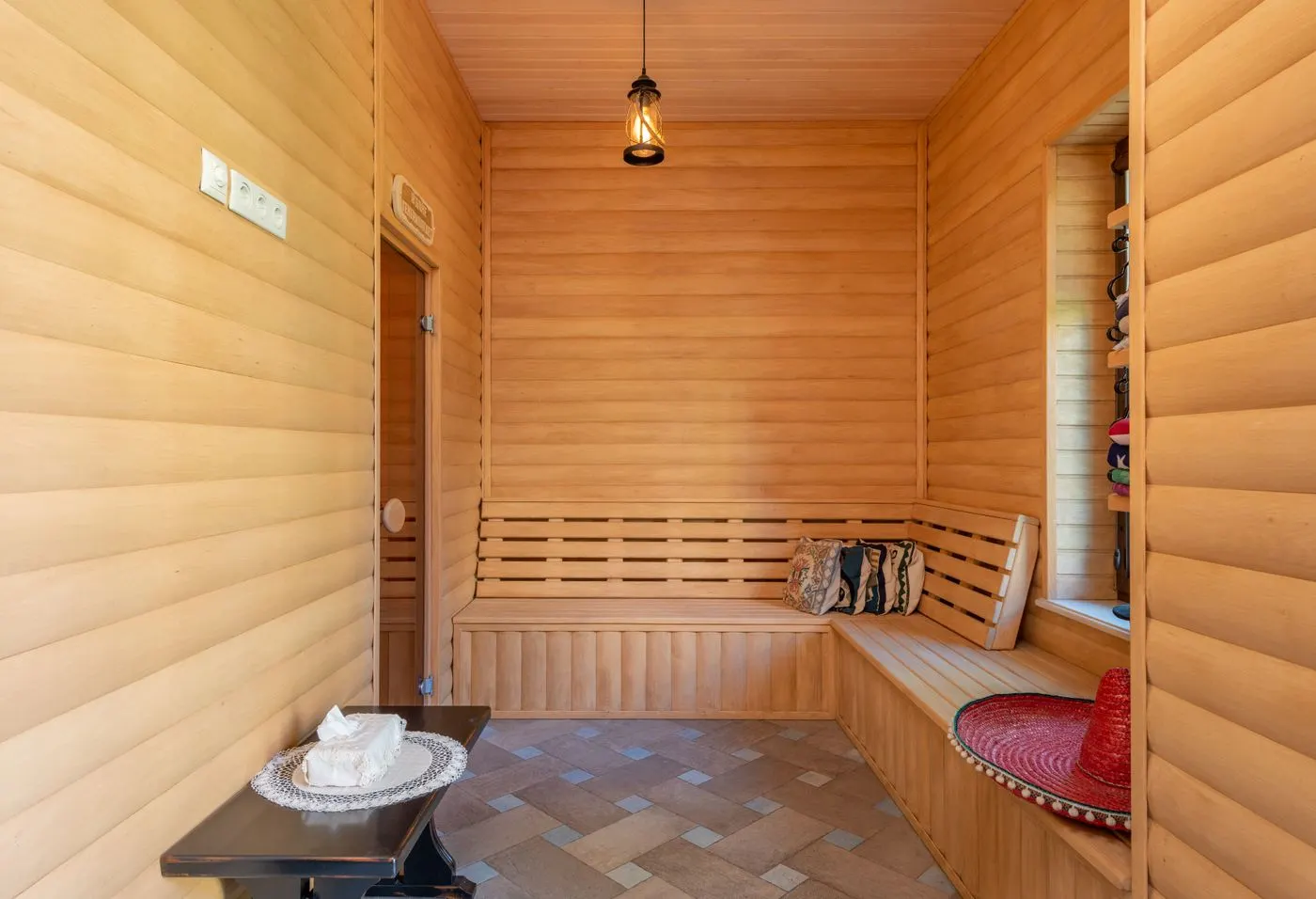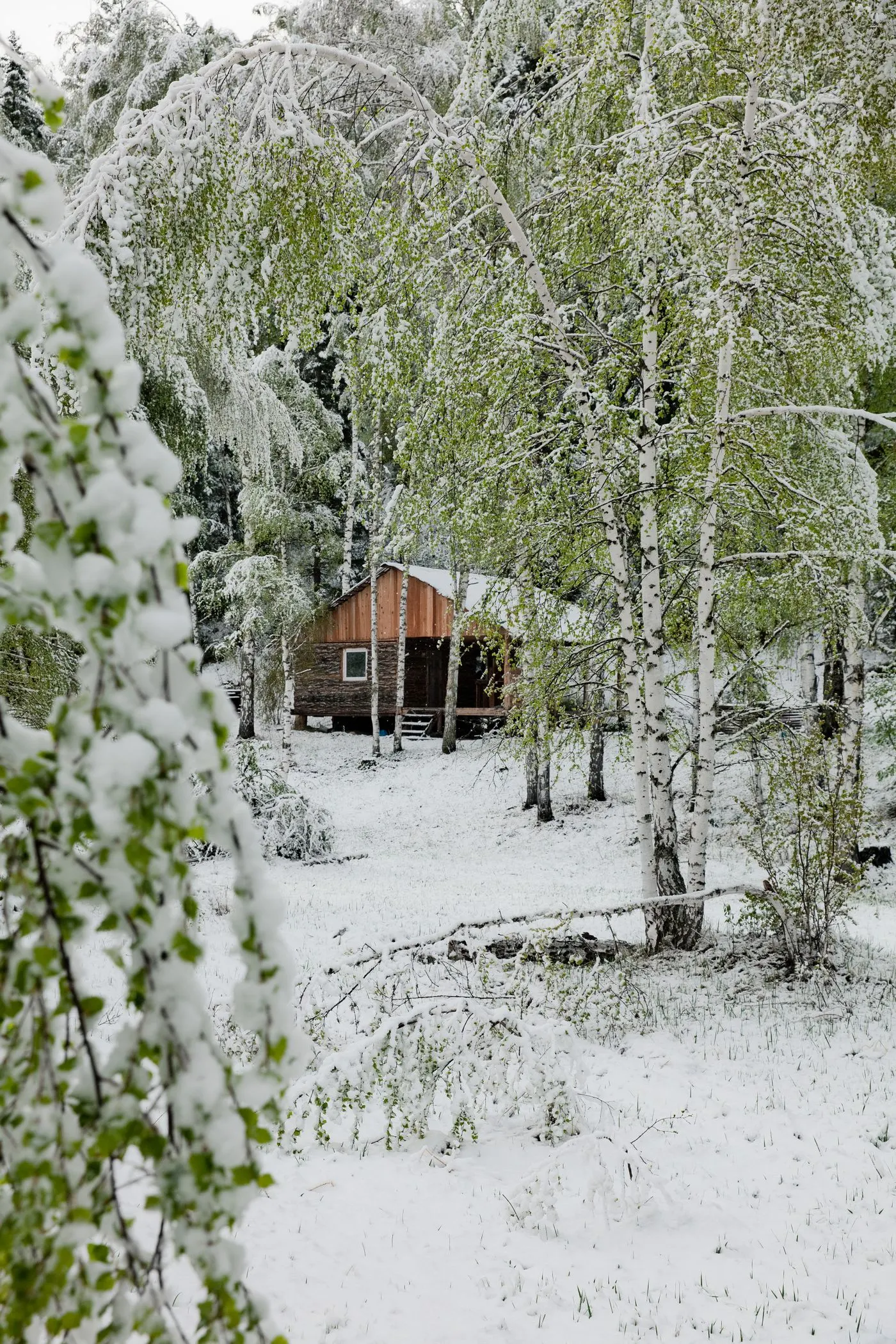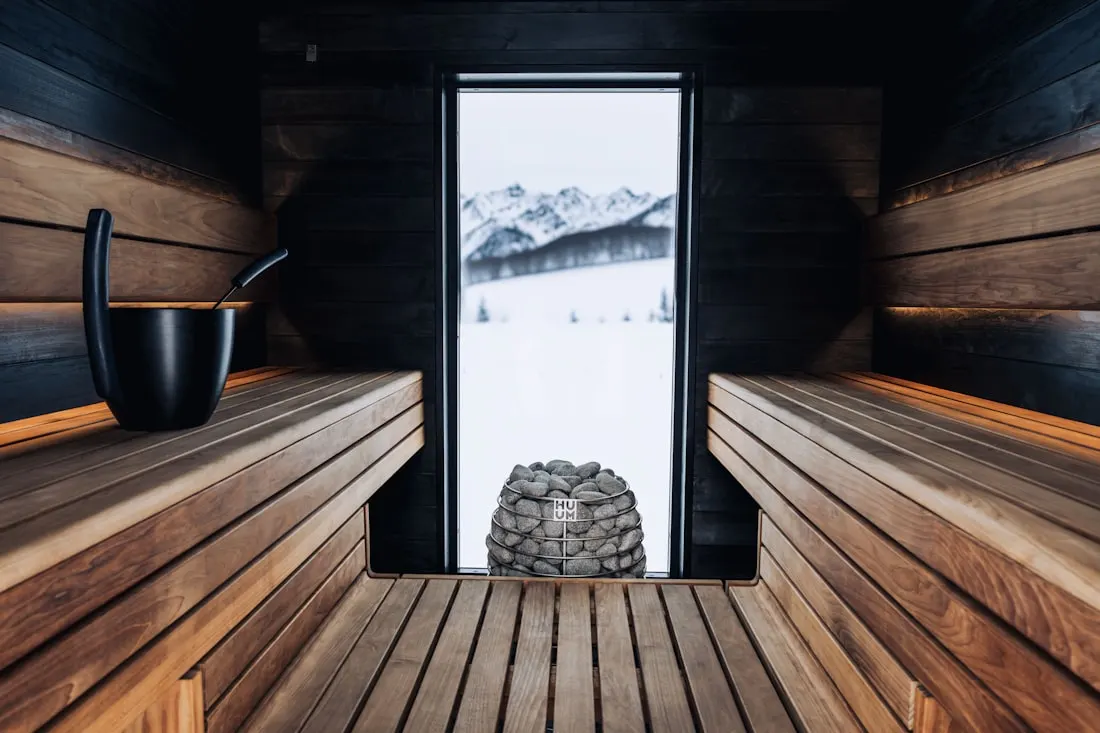
Sauna doors and windows must balance the view and light against heat loss and safety. The door should open outward, close with a good seal, and never lock a person inside; a tempered-glass or insulated wood door both work. Windows and glass doors lose more heat than an insulated wall, so use double or triple glazing in a cold climate, size the heater for the glass, and expect condensation and possible freezing to manage. Good glazing and detailing keep a sauna warm, safe and clear.
Doors and windows are where a sauna meets the outside world — for light, a view, and the way in and out. They’re also the weak points in a warm, sealed envelope, and, in the case of the door, a genuine safety element. Getting them right means balancing the pleasure of glass against heat loss, and never compromising on safe exit. This guide covers both.
The door: safety first
The sauna door has a job beyond keeping heat in: it has to let you out, instantly. So the non-negotiable rules (see emergency shut-off and door safety):
- Opens outward — so it can never be blocked shut from inside.
- Opens with a simple push, and never locks a person in.
- Seals well when closed, to keep heat in.
Both tempered-glass and insulated wood doors meet these requirements — the choice is about light, view and privacy versus heat retention.
Glass door vs wood door
| Factor | Tempered-glass door | Insulated wood door |
|---|---|---|
| Light & view | Excellent | None (solid) |
| Heat retention | Lower (glass loses heat) | Higher (insulated) |
| Privacy | Less | More |
| Condensation / frost | Condenses; frosts at edges | Less prone |
| Cold-climate tip | Use double glazing | Seal and insulate well |
A glass door is beautiful and modern; a wood door retains heat and gives privacy. In a cold climate, a glass door benefits greatly from double glazing to stay warmer and resist freezing.
Windows: the view versus the heat
A window frames the winter and lets in light — one of the joys of an outdoor sauna. But glass loses far more heat than an insulated wall and stores none, so windows are a heat-loss trade-off. Manage it with:
- Double or triple glazing — essential in a Canadian climate. It stays warmer, loses less heat, condenses less and keeps the view clearer.
- Sensible sizing — every square metre of glass adds heat loss.
- Good positioning — for a private, worthwhile outlook (see siting).
For a whole glazed wall, see glass-front saunas.
Glazing and heater sizing
Because glazing loses heat and stores none, it increases the heater size you need. Sizing methods add effective volume per square metre of glass, and a large glazed area can push you up a heater size. Never size a sauna with significant glass on volume alone — include the glass, and lean larger for the cold.
Condensation and freezing
Glass is the coldest interior surface, so humid air condenses on it first and, in deep cold, frosts at the edges. Double glazing keeps the inner pane warmer and reduces both, while good ventilation and drying keep the glass clear. Persistent fogging and freezing usually point to single glazing and unmanaged moisture. The door and threshold need the same attention to avoid freezing shut.
Detailing for the envelope
Doors and windows interrupt the insulated, vapour-sealed envelope, so detail them carefully: seal around frames, continue the vapour barrier to the openings, and fit good gaskets. Poorly detailed openings are prime spots for drafts, heat loss and moisture — the openings are where a well-insulated sauna often leaks.
Common mistakes
- An inward-opening door or one that can lock someone in.
- Single glazing on a sauna door or window in a cold climate.
- Sizing the heater on volume alone, ignoring the glass.
- Poor sealing and detailing around the openings.
- Over-glazing a sauna you want to heat efficiently.
Next steps
Choose an outward-opening, well-sealed door (glass or insulated wood) that can never trap someone, double- or triple-glazed windows sized for the view without over-glazing, and detail the openings into the insulated envelope. Size the heater for the glass, and manage condensation and freezing — and you’ll keep both the warmth and the view.
Frequently asked questions
Should a sauna door be glass or wood?
Both work. A tempered-glass door lets in light and a view and looks modern; an insulated wood door retains heat well and gives privacy. Whichever you choose, it must open outward, seal well when closed, and never be able to lock a person inside. Glass doors condense and can frost at the edges, so double glazing helps in a cold climate.
Do sauna windows need double glazing?
In a Canadian climate, strongly yes. Glass loses much more heat than an insulated wall and stores none, and single glazing runs cold, condenses and frosts. Double or triple glazing stays warmer, loses far less heat, condenses less and keeps the view clearer. It costs more but pays back in comfort, running cost and reduced fogging and freezing.
Which way should a sauna door open?
Outward — always. An outward-opening door can never be blocked shut from inside, so anyone can leave the heat instantly, even if they fall against it. It should open with a simple push and never have a lock that could trap someone. Outward swing is a fundamental sauna safety requirement, not just a preference.
How does glazing affect heat loss and heater size?
Glass loses heat faster than an insulated wall and stores none, so more glazing means more heat loss and a larger heater. Manufacturers add effective volume per square metre of glass when sizing, and a large glazed area can push you up a heater size. Always size the heater with the glass included, and use double or triple glazing to limit the loss.
Why does my sauna window fog up or freeze?
Glass is the coldest interior surface, so humid air condenses on it first, and in deep cold the edges can frost. Double glazing keeps the inner pane warmer and reduces both. Good ventilation and drying the sauna after use keep the glass clear. Persistent fogging and freezing usually mean single glazing and moisture that isn't being managed.
How big should a sauna window be?
Big enough for the view and light you want, but sized with heat loss and heater capacity in mind — every square metre of glass adds to the heater size and the heat loss. Position it for a private, worthwhile outlook, use quality double or triple glazing, and don't over-glaze a sauna you want to heat efficiently in winter.