Choose an outdoor sauna location that is well-drained, sheltered from prevailing wind and drifting snow, private, and easy to reach on a cleared winter path. Weigh distance from the house against power and firewood access, keep the door away from the worst weather, and confirm setbacks and permit rules with your municipality. The site shapes warm-up time, comfort and how the sauna lasts.
Where you put an outdoor sauna matters as much as what you build. The right spot heats faster, stays comfortable, keeps you safe on winter nights and lasts longer; the wrong one fights the wind, pools water and turns every session into a snow-clearing chore. Get the location right before you buy a sauna or pour a foundation.
Drainage first
The single most important site quality is drainage. Water that collects around or under a sauna feeds frost heave, rot and a frozen, icy entrance. Favour ground that sheds water naturally, avoid low spots and drainage paths, and plan to grade the site so water runs away from the sauna and its door. A dry site is a stable, safe, long-lived site — and it makes the foundation decision easier.
Wind and snow
In a Canadian winter, exposure costs you. Wind strips heat from the walls, lengthening warm-up and raising running cost, while drifting snow buries doors and paths. Look for natural shelter — a treeline, a building, a slope — and orient the door away from prevailing wind and driving snow. A sheltered sauna heats faster and stays far more pleasant to use.
Privacy, sun and outlook
A sauna is somewhere you relax, often lightly dressed, so privacy matters — from neighbours and from the house’s main sightlines. Think too about sun (a spot that catches winter light is welcoming) and the outlook from the door and window, since you’ll be looking out at the cold while you warm up. Balance a great view against weather protection.
Distance, power and firewood
How far from the house involves real trade-offs:
- Closer: easier winter access, shorter paths to clear, simpler power runs.
- Farther: more privacy and a better sense of retreat, but more path to keep clear and longer services.
Access to power (for an electric heater) or firewood storage (for a wood heater) also pulls on the decision — see electric vs wood. And plan an outdoor shower or cool-down area and a changing space into the layout from the start.
Winter access and safety
You’ll use this sauna in the dark and the cold, so the path deserves thought: keep it short, plan to clear and grit it, and light it so no one slips on ice. A safe, easy route to the door is part of good sauna safety, and it strongly favours a sensible, sheltered, well-drained location.
Check the rules before you commit
Setbacks, zoning and permit requirements vary by municipality, and are stricter near water. Confirm what applies to your lot and sauna with your local building department before you finalise the location — it can rule some spots out.
Special case: lakeside
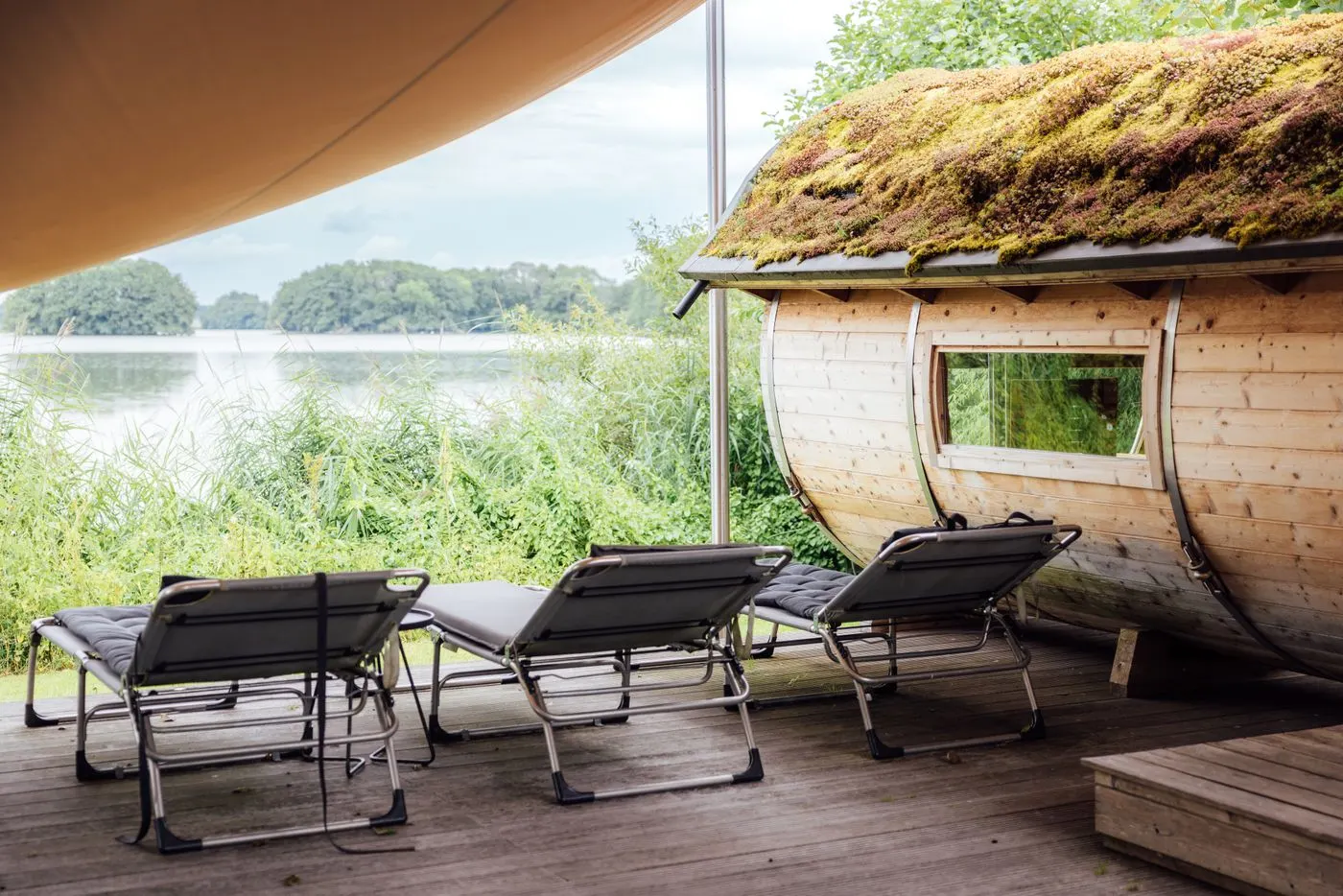
A lakeside setting is the dream for the cold plunge, but shoreline sites bring extra setbacks, drainage, environmental protections and access considerations, plus provincial shoreline rules. If you’re near water, research those carefully and plan drainage and a foundation suited to the ground.
Common mistakes
- Choosing a low, poorly drained spot that pools water and heaves.
- Ignoring wind, so the sauna fights the weather every session.
- Facing the door into prevailing snow.
- Forgetting winter access — long, dark, icy paths.
- Skipping the permit check and setbacks, especially near water.
Next steps
With the location settled, move to the foundation that suits the ground, then the cold-climate build. Getting the site right first makes every later decision easier — and the sauna better to use.
Frequently asked questions
Where is the best place to put an outdoor sauna?
On well-drained ground, sheltered from prevailing wind and drifting snow, with privacy, a short cleared winter path, and reasonable access to power or firewood. Balance closeness to the house against a pleasant, private setting, and always check local setbacks and permit rules before committing.
How far should a sauna be from the house?
There's no universal distance — it depends on your lot, local rules and practicality. Closer means easier winter access, power and shorter paths to clear; farther can mean more privacy and a better setting. Local setback and zoning rules may set minimums, so confirm them with your municipality.
Does an outdoor sauna need to be sheltered from wind?
It helps a lot. Wind strips heat from the walls, lengthening warm-up and raising running cost, and drives snow against the door. Siting the sauna in natural shelter, or orienting the door away from prevailing wind, noticeably improves winter performance and comfort.
Do I need a permit to put a sauna in my backyard?
Often, depending on your municipality and the sauna's size, foundation and services. Building and electrical permits, setbacks and zoning can all apply, and rules are stricter near water. Confirm requirements with your local building department before you build.
Can I put an outdoor sauna near a lake?
Many people do, for the cold plunge, but shoreline sites carry extra rules and challenges — setbacks from the water, drainage, environmental protections and access. Check local and provincial shoreline regulations carefully, and plan drainage and a foundation suited to the ground.
Should the sauna door face a particular direction?
Point the door and any main window toward the view and cool-down area you'll actually use, but away from prevailing wind and driving snow where possible. Balancing outlook against weather protection makes the sauna both pleasant and practical in winter.