Maintaining a sauna heater is mostly simple, regular care: inspect and replace cracked sauna stones once or twice a year, keep the heater and its ventilation clean and unobstructed, watch for warning signs like slower heating or unusual noises, and have a qualified technician check electrical components. Wood-burning heaters also need ash removal and chimney cleaning. Using manufacturer-approved parts and addressing small issues early keeps the heater efficient, safe and long-lasting.
A quality sauna heater is built to provide years of reliable performance, but like any heating equipment, it requires regular maintenance. Proper care not only extends the lifespan of the heater but also improves energy efficiency, heating performance, and overall safety.
The good news is that most maintenance tasks are simple and require very little time. By following a few basic practices — and folding them into a regular maintenance routine — homeowners can keep their sauna operating efficiently while avoiding unnecessary repairs.
Inspect Sauna Stones Regularly
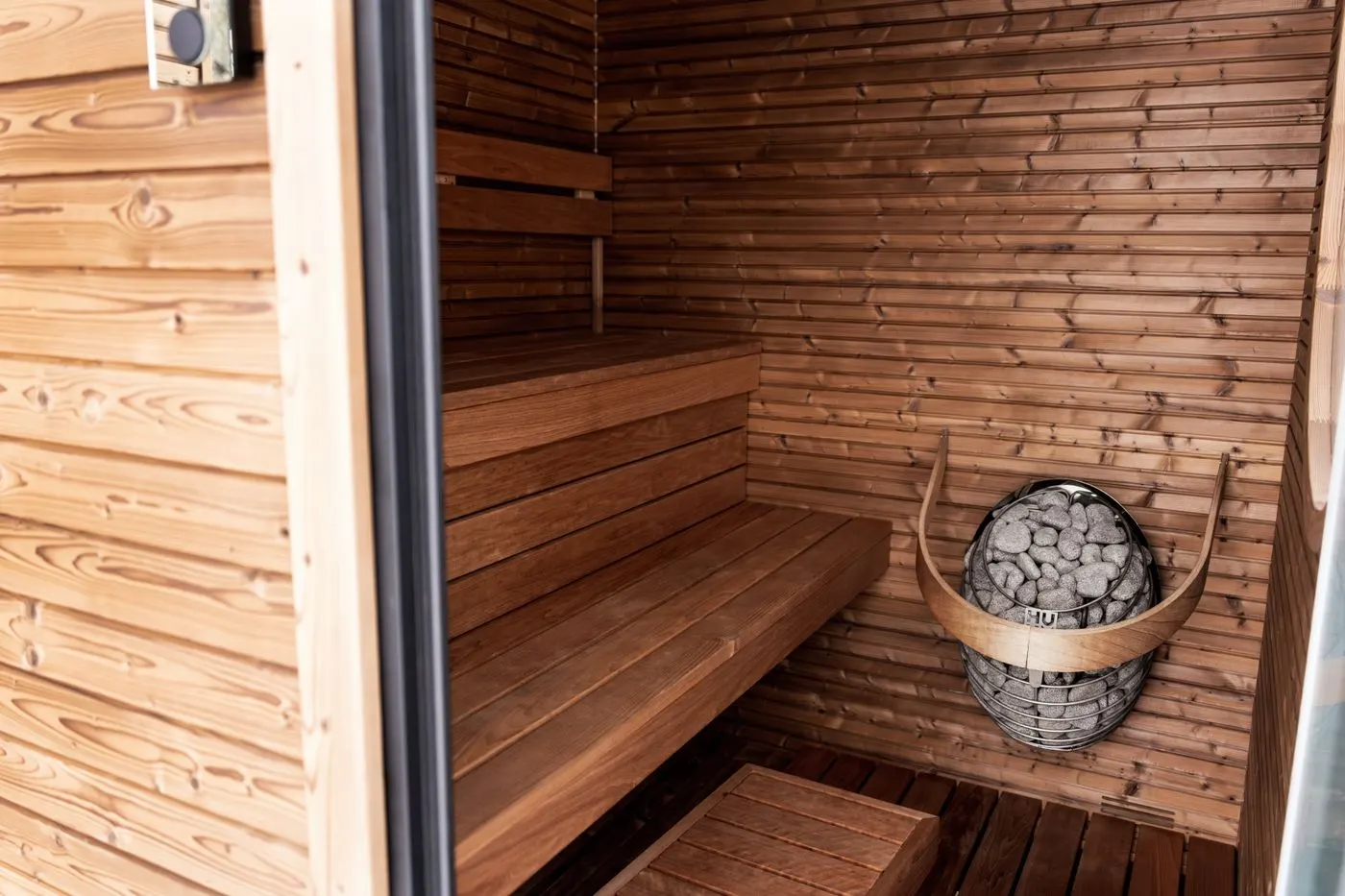
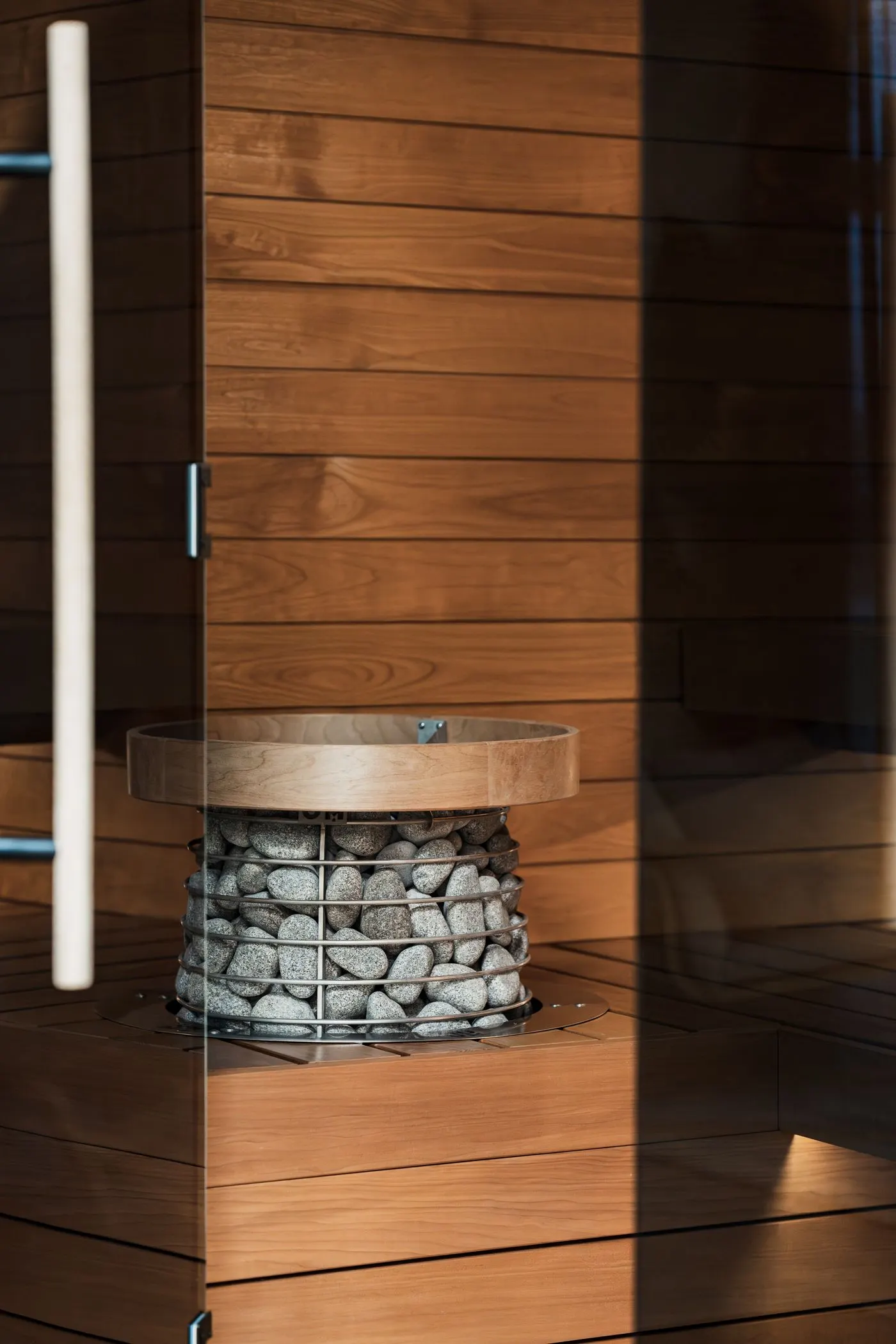
Sauna stones play a critical role in storing heat and producing soft steam. Over time, repeated heating and cooling cause the stones to crack and gradually break down.
At least once or twice a year you should:
- Remove broken stones.
- Replace damaged or crumbling pieces.
- Rearrange the remaining stones to improve airflow.
- Use only manufacturer-approved sauna stones.
Fresh, properly arranged stones allow the heater to operate more efficiently and produce a better sauna experience. For more detail, see how often to replace sauna stones and the guide to heater stone capacity and arrangement.
Keep the Heater Clean
Dust, dirt, and small stone particles naturally accumulate around the heater over time. Although this buildup may seem minor, it can reduce airflow and decrease heating efficiency.
Regular cleaning should include:
- Removing dust around the heater.
- Vacuuming loose stone fragments.
- Cleaning ventilation openings.
- Checking for visible signs of corrosion or damage.
Never use excessive water or harsh cleaning chemicals directly on electrical components.
Monitor Heating Performance
If your sauna suddenly takes longer to reach temperature or struggles to maintain consistent heat, the heater may require inspection.
Common warning signs include:
- Longer heating times.
- Uneven room temperature.
- Reduced steam production.
- Unusual sounds during operation.
- Error messages on digital controls.
Addressing small issues early often prevents more expensive repairs later — see why a sauna heater might not be getting hot for how to diagnose the most common causes.
Check Electrical Components
Electric sauna heaters should be inspected periodically to ensure all electrical connections remain secure and undamaged.
Look for:
- Loose wiring.
- Damaged insulation.
- Signs of overheating.
- Worn control panels.
Any electrical repairs should always be performed by a qualified technician, in line with basic sauna electrical safety.
Maintain Proper Ventilation
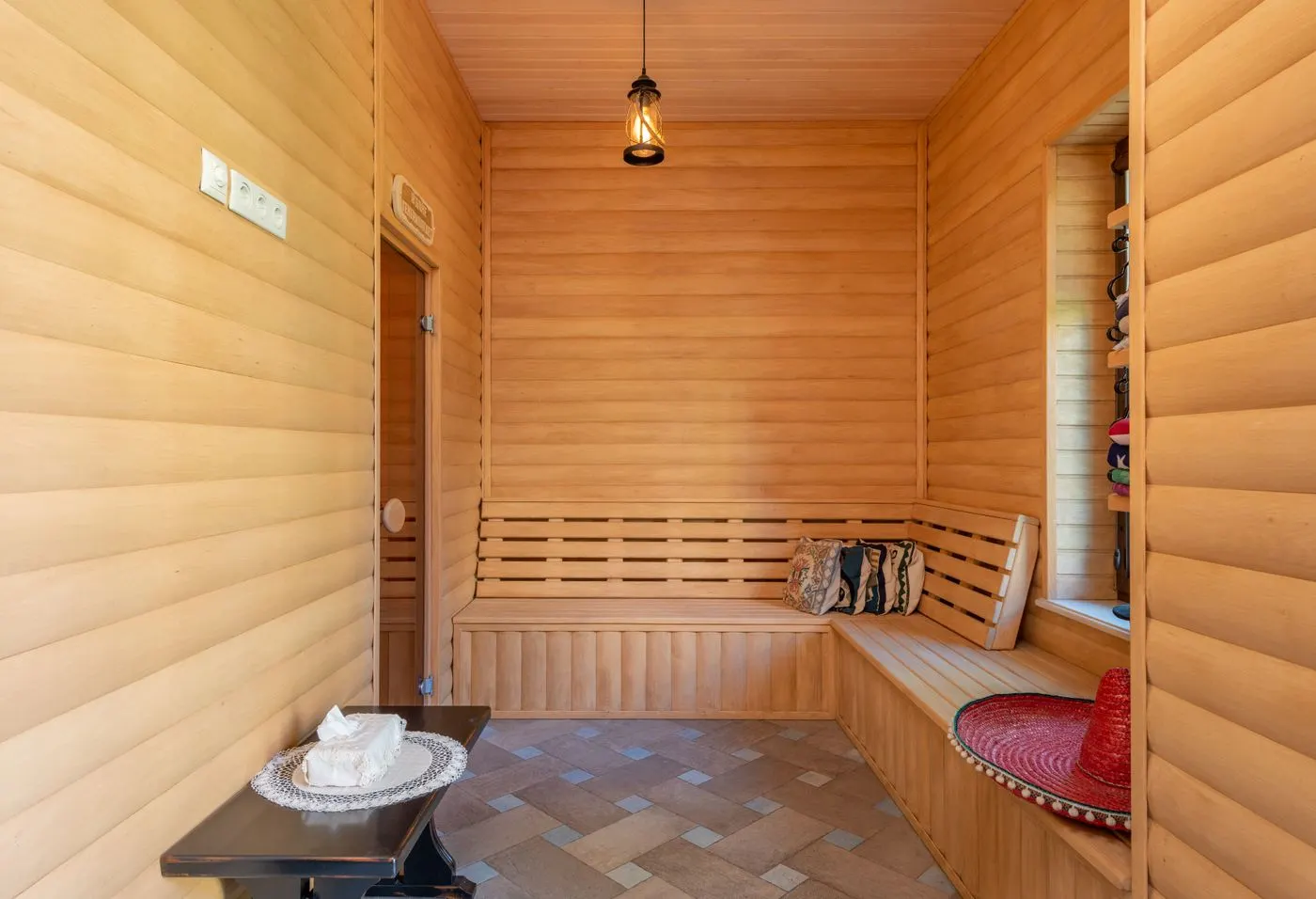
Good airflow helps the heater operate efficiently while creating a more comfortable sauna environment.
Blocked ventilation can cause:
- Slower heating.
- Excess humidity.
- Uneven temperatures.
- Additional stress on heating elements.
Inspect air intake and exhaust openings regularly to ensure they remain unobstructed — the outdoor sauna ventilation guide explains how the intake and exhaust should work together.
Wood-Burning Heater Maintenance
If you own a wood-burning sauna heater, several additional maintenance tasks are necessary.
- Remove ash after use.
- Inspect the firebox.
- Clean the chimney regularly.
- Check the chimney cap for debris.
- Use only properly seasoned firewood.
Keeping the combustion system clean improves heating efficiency while reducing the risk of chimney problems.
Avoid Common Maintenance Mistakes
Many heater problems result from simple maintenance oversights.
Avoid these common mistakes:
- Ignoring cracked sauna stones.
- Blocking airflow around the heater.
- Using decorative rocks instead of sauna stones.
- Skipping annual inspections.
- Delaying minor repairs.
Small preventive measures often add years to the life of a sauna heater — and when wear does catch up, our guide to heater lifespan and replacement covers what to do next.
Use Genuine Replacement Parts
When replacing sauna stones or servicing heater components, using manufacturer-approved parts helps maintain both safety and performance.
Quality replacement components are designed to match the heater’s original specifications, ensuring proper airflow, heat distribution, and long-term reliability.
Homeowners looking for replacement stones, accessories, or new heater models often review the available Harvia sauna heaters to compare specifications and ensure compatibility with their existing sauna setup.
Conclusion
Regular maintenance is one of the simplest ways to maximize the lifespan of a sauna heater. Cleaning the unit, replacing worn sauna stones, maintaining proper ventilation, and addressing small issues before they become major problems will help ensure reliable performance for many years. A well-maintained heater not only lasts longer but also provides a safer, more comfortable, and more enjoyable sauna experience every time you use it.
Frequently asked questions
How often should you replace sauna stones?
At least once or twice a year, inspect the stones and remove any that are cracked or crumbling, then rearrange the rest for good airflow. Repeated heating and cooling break stones down over time, and degraded stones make poor steam and restrict airflow. Use only manufacturer-approved sauna stones, not decorative rocks, which can be unsafe when heated.
How do you clean a sauna heater?
Remove dust from around the heater, vacuum up loose stone fragments, and keep the ventilation openings clear, checking for any signs of corrosion or damage while you're at it. Never pour excessive water on the heater or use harsh cleaning chemicals directly on electrical components. Regular, gentle cleaning keeps airflow and heating efficiency up.
What are the signs a sauna heater needs attention?
Common warning signs include longer heating times, uneven room temperature, reduced steam production, unusual sounds during operation, and error messages on digital controls. If your sauna suddenly takes longer to reach temperature or struggles to hold heat, have the heater inspected. Addressing small issues early usually prevents more expensive repairs later.
Can I do sauna heater electrical maintenance myself?
You can visually check that connections look secure and undamaged, but any actual electrical repair should always be performed by a qualified technician. Look for loose wiring, damaged insulation, signs of overheating or worn control panels — and if you find any, stop using the heater and call a professional. Electrical work in a hot, wet environment is a genuine safety matter.
What extra maintenance does a wood-burning sauna heater need?
Beyond stones and cleaning, a wood-burning heater needs ash removed after use, the firebox inspected, the chimney cleaned regularly, and the chimney cap checked for debris — and you should burn only properly seasoned firewood. Keeping the combustion system clean improves efficiency and reduces the risk of chimney problems and carbon-monoxide hazards.
What are the most common sauna heater maintenance mistakes?
The frequent ones are ignoring cracked sauna stones, blocking airflow around the heater, using decorative rocks instead of proper sauna stones, skipping annual inspections, and delaying minor repairs. Each is easy to avoid, and small preventive measures often add years to a heater's life.