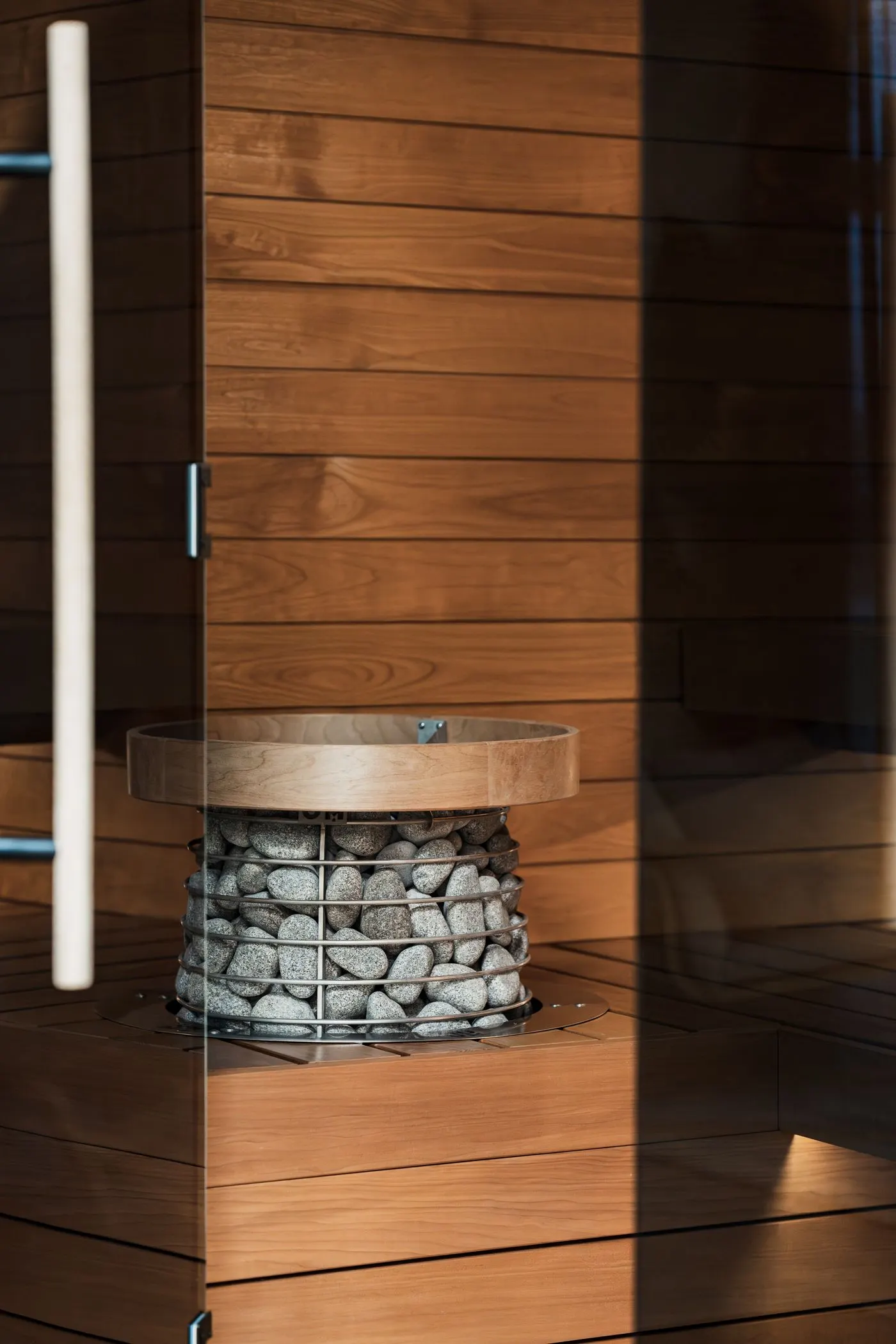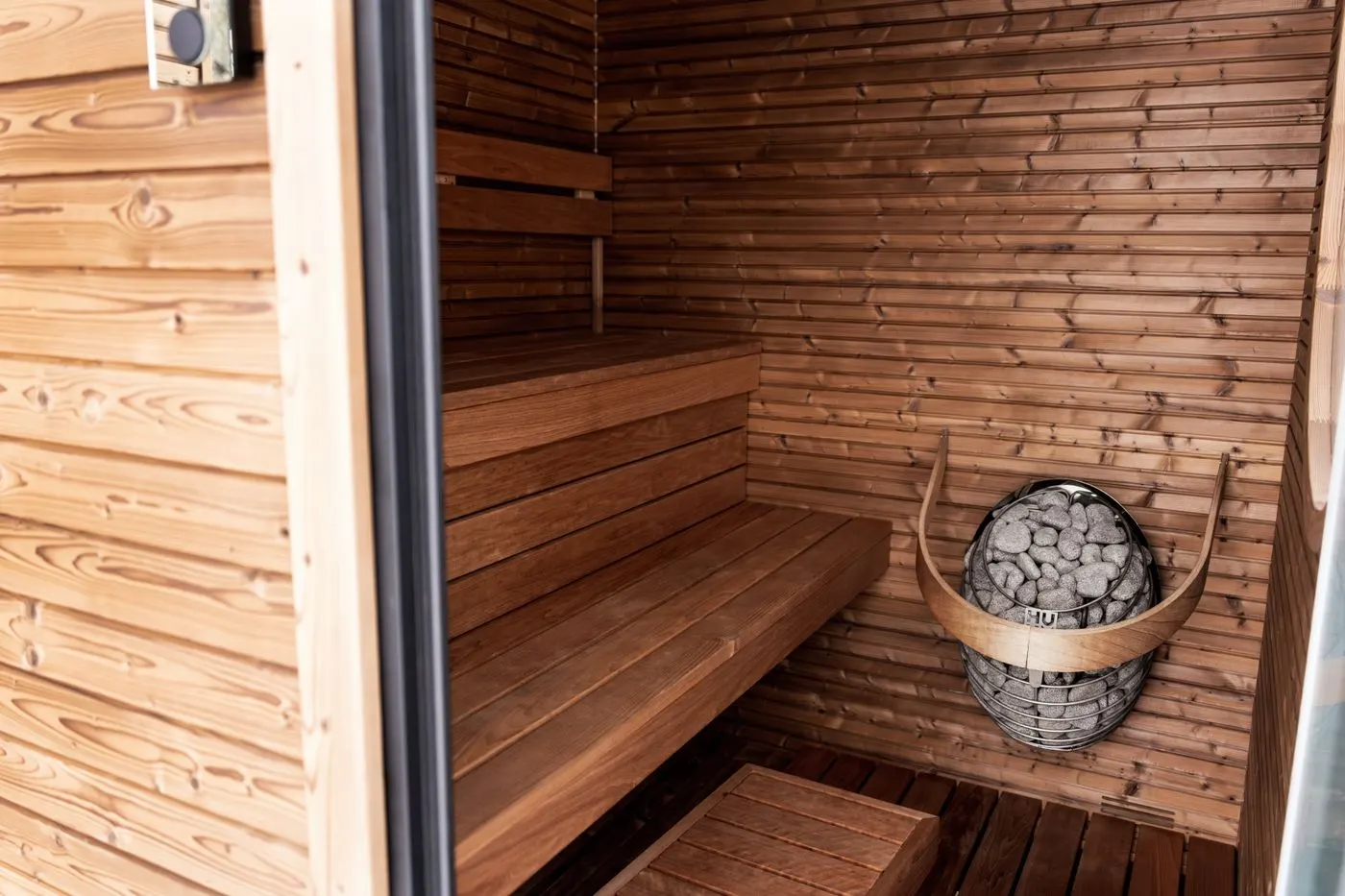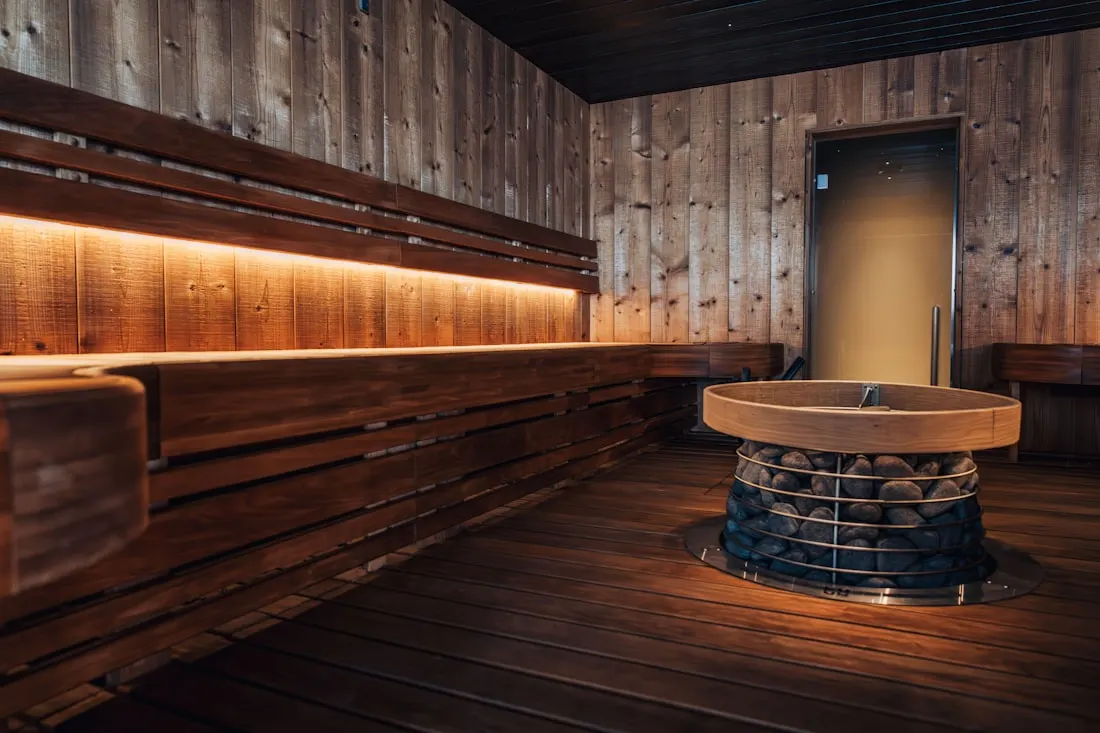
A good outdoor sauna maintenance schedule works in layers: after every use, dry the sauna and wipe the benches; regularly, clean the interior and check the stones; seasonally, inspect the structure, chimney (for wood heaters) and drainage, and refresh exterior wood protection; and annually, do a thorough inspection and any deeper care. Following a simple routine — with drying after every use as the non-negotiable habit — keeps a sauna fresh, safe and long-lived far more easily than occasional big efforts.
Sauna maintenance sounds like a chore, but it isn’t — not if you break it into a simple routine. The secret is little and often: a few seconds after every use, a light clean now and then, and a short seasonal walkthrough. Do that and a sauna stays fresh, safe and sound for decades; skip it and small neglects turn into big, expensive problems. This guide lays out a schedule you can actually keep.
Maintenance in layers
Think of maintenance as layers by frequency, from the quick daily habit to the occasional deeper task:
| When | Tasks |
|---|---|
| After every use | Dry the sauna; wipe benches; (wood) deal with ash once cold |
| Regularly | Clean the interior; check the stones |
| Seasonally | Inspect structure & foundation; chimney & heater (wood); drainage; refresh exterior wood; check door & seals |
| Annually | Thorough inspection; deeper care and repairs |
Match the exact frequency to how much you use the sauna, but keep the layers.
After every use (the key habit)
The one habit that matters most: dry the sauna after every session. Open the exhaust and door so the interior dries fully, and wipe the benches. For a wood heater, deal with ash safely once it’s cold. This takes moments and prevents the damp that causes stains, smells and mould — see drying a sauna after use.
Regularly
On a regular basis (depending on use):
- Clean the interior gently — benches, floor, touched surfaces.
- Check the stones and replace cracked ones.
- Clean and dry duckboards.
Seasonally
Once or twice a year — spring (after winter) and fall (before heavy use) are natural times:
- Inspect the structure and foundation for movement, sticking doors or gaps.
- Clean the chimney and check the heater (wood saunas).
- Clear and check drainage.
- Refresh exterior wood protection and inspect the base for rot.
- Check the door and seals.
This overlaps with the seasonal safety inspection and after-winter checkup — do them together.
Annually
At least once a year, do a thorough inspection of every safety-critical and structural part, and any deeper care or repairs — sanding roughened interior wood, re-treating exterior cladding, replacing tired stones, professional chimney service. Catching and fixing things annually keeps them from compounding.
Why little and often wins
It’s occasional neglect — never drying, skipping the chimney, ignoring the base course — that turns into big problems. A sauna maintained little and often almost never faces them. The after-use drying takes seconds; the seasonal walkthrough takes an afternoon; together they save you from the expensive repairs that neglect brings.
Common mistakes
- Skipping the after-use drying — the top cause of trouble.
- Only doing big clean-ups occasionally instead of little and often.
- Forgetting the seasonal inspection of structure, chimney and drainage.
- Neglecting the chimney on a wood sauna.
- Letting exterior wood and the base go uninspected.
Next steps
Keep the simple routine: dry after every use, clean regularly, and inspect structure, chimney and exterior wood seasonally. Little and often keeps a Canadian sauna sound, safe and a pleasure to use for decades.
Frequently asked questions
How do you maintain an outdoor sauna?
In layers by frequency: after every use, dry the sauna and wipe the benches; regularly, clean the interior and check the stones; seasonally, inspect the structure, chimney and drainage and refresh exterior wood protection; annually, do a thorough inspection. Drying after every use is the key habit. A simple, regular routine keeps a sauna far healthier than occasional big clean-ups.
What sauna maintenance should I do after every use?
Dry the sauna — open the exhaust and door so the interior dries fully — and wipe down the benches. This after-use drying is the single most important habit; it prevents the damp that causes stains, smells and mould. For wood heaters, deal with ash safely once cold. It takes moments and saves a lot of trouble later.
What seasonal maintenance does a sauna need?
Seasonally, inspect the structure and foundation for movement, check and refresh the exterior wood protection, clean the chimney and check the heater (for wood saunas), clear and check drainage, and look over the door and seals. Spring (after winter) and fall (before heavy use) are natural times. It's a walkthrough of every part, done once or twice a year.
How often should I clean and check the stones?
Check the stones at least annually and replace cracked or crumbling ones, re-stacking loosely — sooner with heavy use. Clean the interior regularly, and wipe benches after use. The stones and interior cleaning are the regular tasks; the structure, chimney and exterior get seasonal attention. Match the frequency to how much you use the sauna.
Is sauna maintenance a lot of work?
Not if you keep to a simple routine. The after-use drying takes moments, regular cleaning is light, and the seasonal inspection is a short walkthrough. It's occasional neglect — never drying, skipping the chimney, ignoring the base — that turns into big, expensive problems. Little and often is far easier than letting things build up.
When is the best time for annual sauna maintenance?
Two natural points: after winter (spring), to catch freeze-thaw and snow-load effects, and before the main season of heavy use (fall), to get everything ready and safe. Doing a thorough inspection and any deeper care at one or both of these times, on top of the after-use and regular tasks, keeps the sauna in good order year-round.