After a Canadian winter, give an outdoor sauna a spring checkup: look for foundation movement or heaving, inspect the wood and roof for damage or moisture, check the chimney and heater, clear and test drainage and any water systems, and look for signs of condensation or mould from winter use. Freeze-thaw and heavy snow are hard on an outdoor building, so catching small issues in spring keeps them from becoming big ones — and gets the sauna ready for the year.
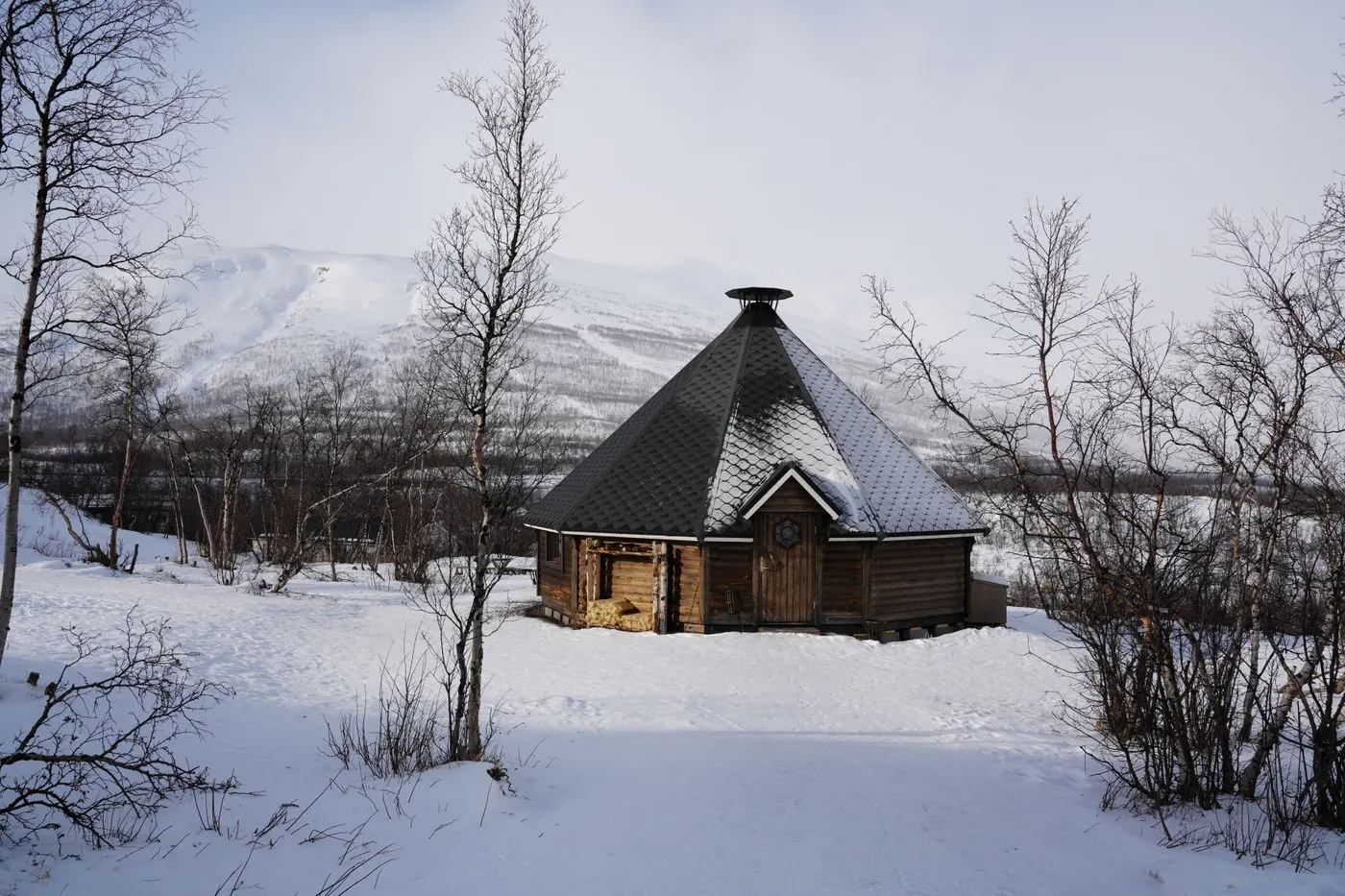
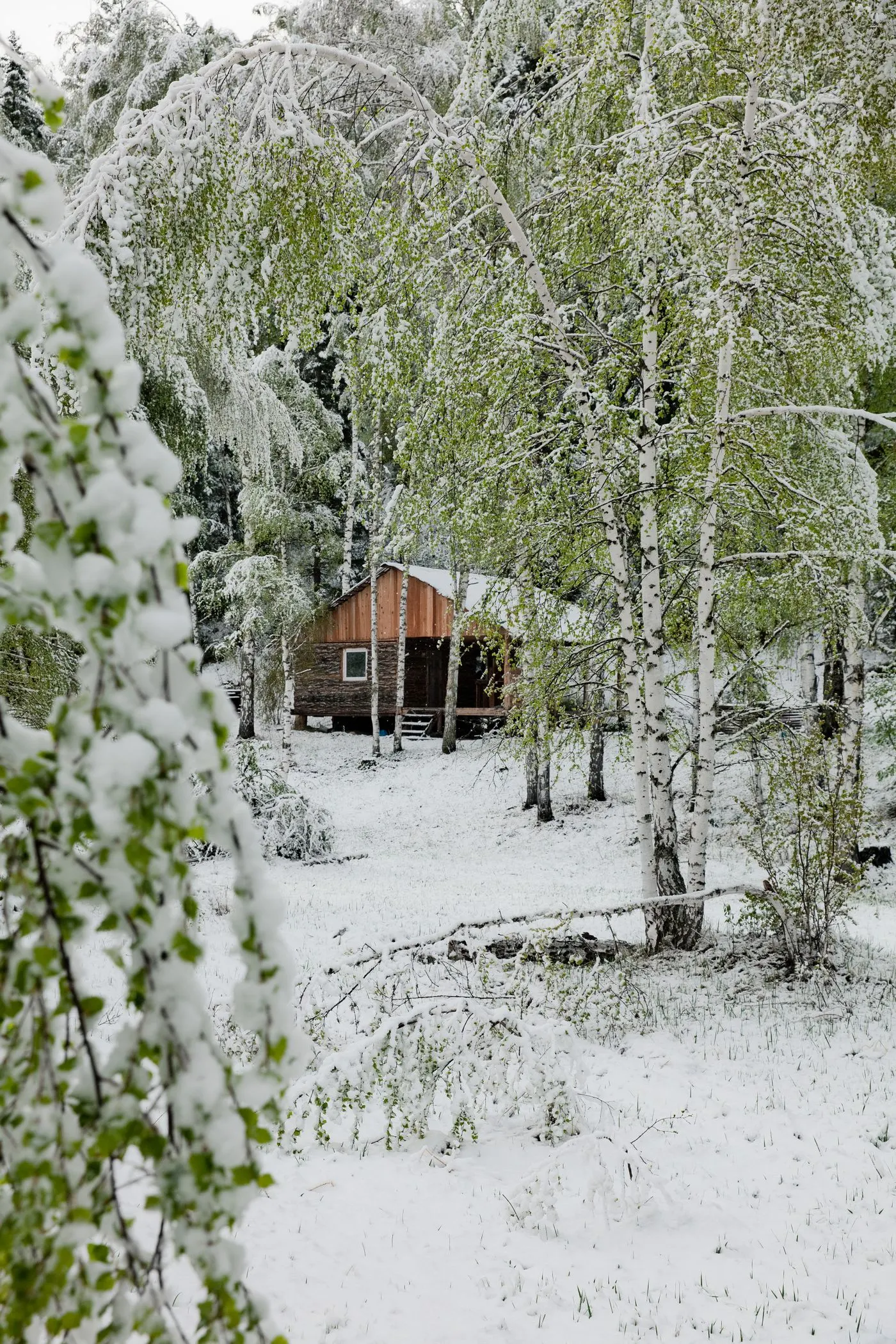
A Canadian winter is hard on an outdoor building. Freeze-thaw works at the ground and the joints, heavy snow loads the roof, and months of use leave their mark. Spring is the natural time to look the sauna over, catch small issues before they grow, and get it ready for the year. Here’s a practical checkup.
1. Foundation and level
Winter’s freeze-thaw and frost heave can move a foundation. Check:
- Is the sauna still level?
- Do doors and windows still open and close cleanly, or have they started to bind?
- Are there new gaps at joints or the base?
Sticking doors or an out-of-level floor suggest movement — look at drainage and the foundation, and get a professional opinion if it’s significant.
2. Wood and roof
Inspect the exterior wood, cladding and roof for damage or trapped moisture:
- Splits, rot or lifting cladding, especially at the base and low points.
- Roof condition after the snow load — flashing, any leaks or ice-dam marks.
- The door, threshold and seals after a winter of freezing.
Address any moisture or damage now, while it’s small.
3. Chimney and heater
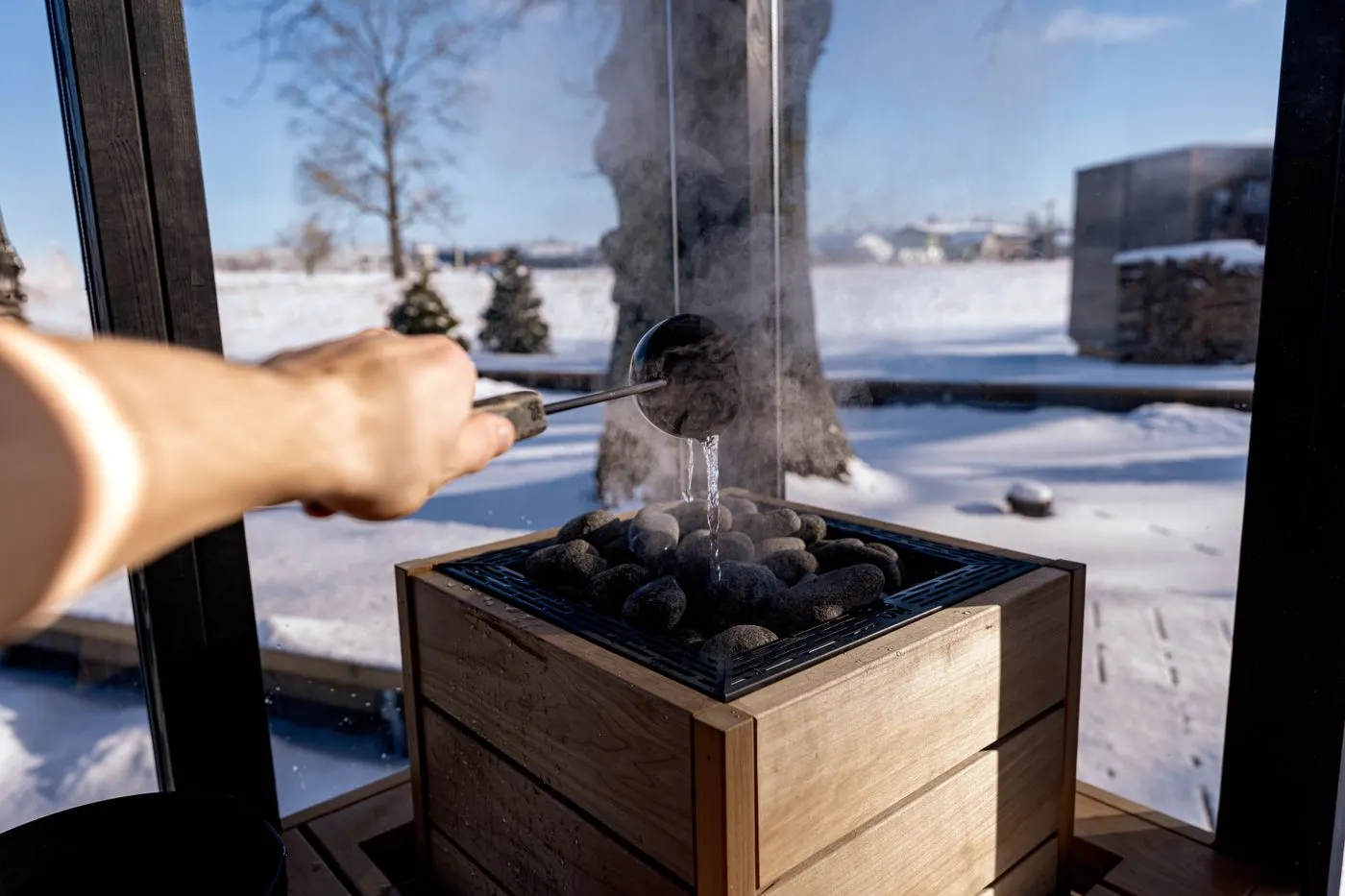
For a wood-burning sauna, spring is a natural time to clean and inspect the chimney — winter burning builds creosote — and check the flashing and cap. For any heater, look over the stones (replace cracked or crumbling ones), and for an electric heater, note anything amiss and call a licensed electrician if needed.
4. Drainage and water
Winter can shift or block drainage. Clear and check that water still flows away from the sauna, and clear the gravel perimeter and any drains. Inspect and test any water systems you protected over winter before bringing them back into use.
5. Condensation and mould
If moisture wasn’t well managed, winter can leave musty smells or surface mould. Air the sauna out thoroughly, clean any early surface mould, dry it fully, and fix the cause — better ventilation and after-use drying — so it doesn’t return.
A quick spring checklist
| Check | Looking for |
|---|---|
| Foundation / level | Heaving, sticking doors, gaps |
| Wood & roof | Rot, moisture, snow-load or ice damage |
| Chimney (wood) | Creosote, flashing, cap |
| Heater & stones | Cracked stones, faults |
| Drainage & water | Blockages, flow, protected systems |
| Interior | Musty smell, mould, damp |
Act on what you find — and fix the cause
The point of the after-winter check isn’t just to spot problems but to act on them while they’re small, and fix the underlying cause so they don’t return. A door that sticks or won’t seal may trace back to the foundation moving over a freeze-thaw winter — address the level, not just the door. A musty smell or damp points to moisture that lingered, so tighten up drying after use, ventilation and drainage rather than just cleaning the surface. Anything structural, or any concern with the electrical or a wood heater’s flue, is work for the appropriate professional. Catching a lifted board or a loosened barrel band in spring and dealing with it then is what keeps small winter wear from becoming a major repair by next year.
Next steps
A spring checkup turns winter’s wear into a short to-do list instead of a big repair. Fold it into your regular maintenance routine, fix drainage and moisture at the source, and your sauna will be ready — and last far longer. For the winter side, see freeze-thaw protection.
Frequently asked questions
What should I check on my sauna after winter?
Look for foundation movement or heaving, wood and roof damage or trapped moisture, chimney condition (for wood heaters), heater and stones, drainage that may have shifted, and any condensation or mould from winter use. A spring walkaround catches the freeze-thaw and snow-load issues early, before they worsen.
How do I know if frost heave moved my sauna?
Check whether the sauna is still level and whether doors and windows still open and close cleanly — sticking doors, new gaps, or a floor that feels out of level suggest movement. If it's heaved, look at drainage and the foundation, and get a professional opinion if the movement is significant.
Should I check the chimney in spring?
Yes, for a wood-burning sauna. Winter burning builds creosote, so spring is a natural time to clean and inspect the chimney and flue before it sits over summer, and to check the flashing and cap. A clean, sound chimney is a safety essential — have it done professionally if you're unsure.
Can winter cause mould in a sauna?
It can, if moisture wasn't managed — a sauna closed up damp through winter can develop musty smells or surface mould. In spring, air it out thoroughly, clean any surface mould, dry it fully, and address the cause (ventilation and after-use drying) so it doesn't return.
Is spring a good time for sauna maintenance?
Yes — after a hard winter and before the year's use, spring is ideal for inspection and upkeep: checking the structure, cleaning the chimney, servicing the heater and stones, and clearing drainage. Catching freeze-thaw and snow-load issues early keeps small problems from becoming expensive ones.