Running an outdoor sauna in extreme cold (around −30 °C and below) is very doable and deeply enjoyable, but it magnifies every winter factor: much longer warm-up, more attention to chimney draft and frozen doors, and greater care with the hot-cold contrast. Give it plenty of pre-warming, keep the door and paths clear of ice, manage the cold plunge cautiously, and never sauna alone in extreme conditions. A well-built, well-sized sauna handles the deep cold; you handle the safety.
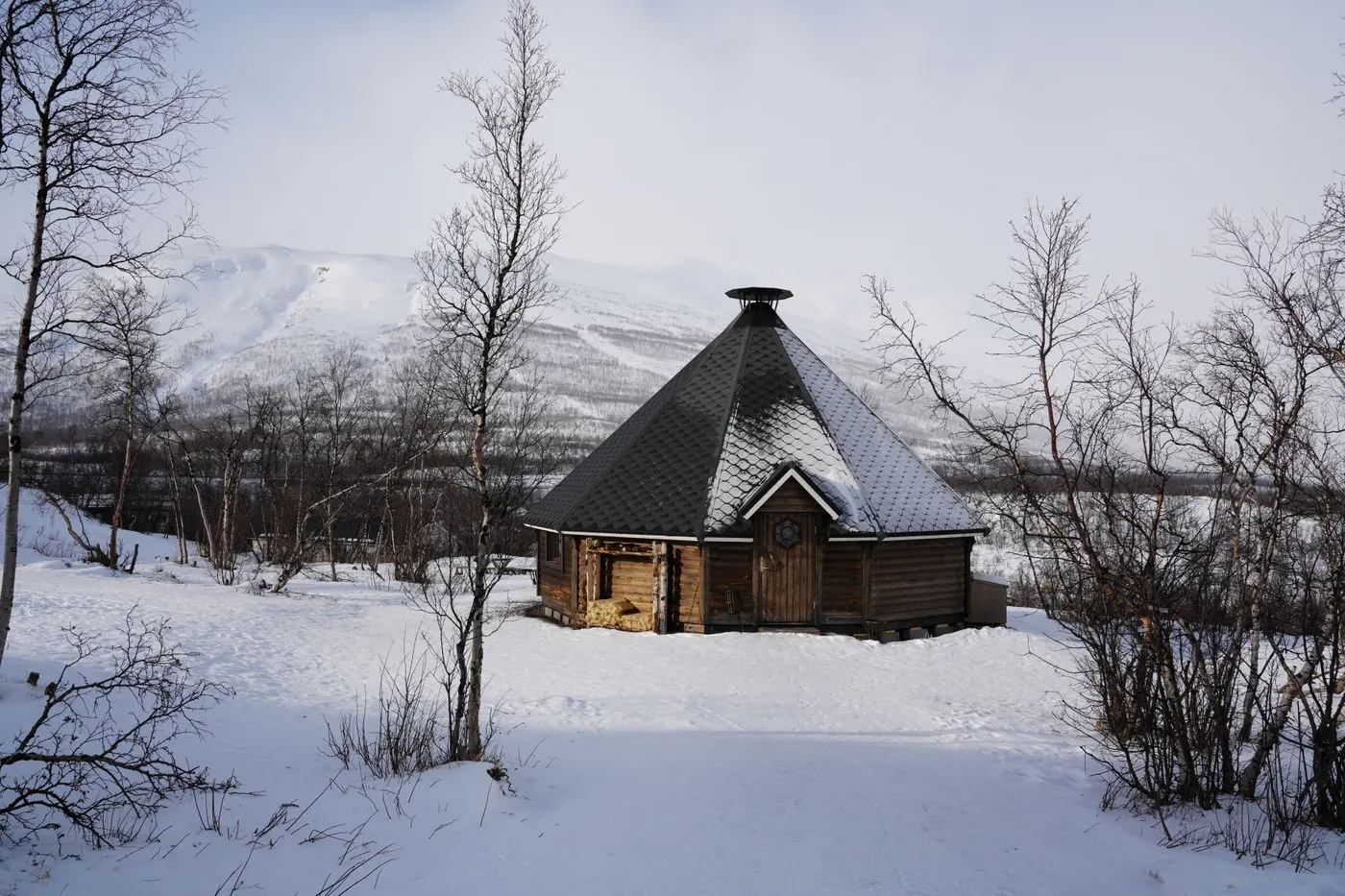
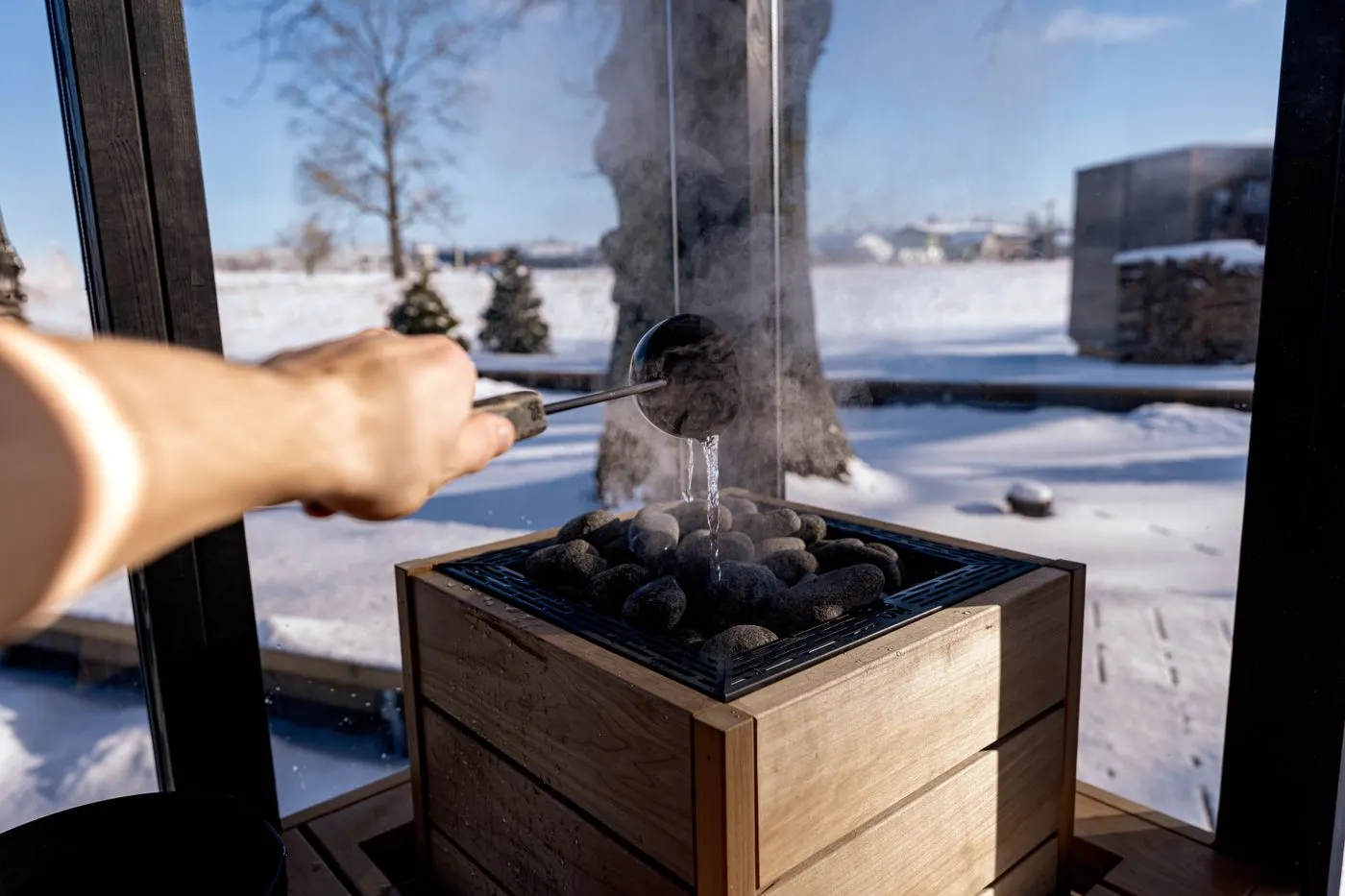
For many Canadians, the sauna is at its best when it’s coldest — stepping from an enveloping heat into −30 °C air, steam rising off your skin, the snow squeaking underfoot. Extreme cold doesn’t stop an outdoor sauna; it amplifies everything about winter use. Here’s how to run one safely when the temperature really drops.
Everything takes longer
In extreme cold the warm-up climbs — the structure, stones and benches start deeply frozen. So:
- Pre-warm generously with a timer or remote start.
- Keep the door and exhaust closed while heating.
- Allow extra time so the benches and stones — not just the air — are properly warm.
A correctly sized heater and good insulation are what make deep cold manageable; without them, the sauna struggles.
Draft and the chimney
For a wood stove, extreme cold is mostly your friend for draft — big temperature differences pull hard — but a cold, empty flue can be sluggish at start-up, and certain conditions cause downdraft. A correctly sized, insulated, certified chimney kept clean gives reliable draw. If yours regularly struggles in the cold, treat it as a safety issue and have it checked.
Frozen doors and icy paths
Deep cold makes frozen doors and icy paths more likely and more consequential. Keep the threshold and door dry and clear, and the path lit, cleared and gritted. A slip on hidden ice, or a door that won’t open, is a bigger problem at −30 °C.
The hot-cold contrast
The cold plunge or roll in the snow is exhilarating in extreme cold — and harder on the body. Keep it brief, enter cold gradually, never do it impaired by alcohol, and stop if you feel unwell. If you have any health concern, skip it and consult a physician. The contrast is a pleasure, not a medical treatment — see the safety disclaimer.
The one rule for extreme cold
Don’t sauna alone in extreme cold. The single biggest precaution is that someone knows where you are and can help if something goes wrong — a fall on ice, feeling faint, a door that jams. Sauna with company or tell someone, keep sessions sensible, and stay hydrated.
Look after yourself, not just the sauna
In extreme cold the sauna isn’t the only thing that needs care — so do you. The hot-cold contrast is at its most intense in deep winter, and cold air and any cold plunge are a strong stimulus, so ease into the cold rather than shocking yourself, keep exposures short, and don’t bathe alone on a bitter night — have someone aware you’re out there, in case footing or cold catch you out. Dress for the trip: a robe and warm, non-slip footwear for the walk out and the cool-down, and warm clothes for the walk back, so you don’t get chilled after the heat. Keep the path cleared, lit and non-slip, and come inside if you feel unwell. This is general guidance, not medical advice — if you have any health condition, speak with a physician about sauna and cold-water use in extreme conditions.
Common mistakes
- Not pre-warming enough for the deep cold.
- Ignoring frozen doors and icy paths.
- Overdoing the cold plunge in extreme conditions.
- Saunaing alone at −30 °C.
Next steps
Extreme cold is where a well-built sauna shines. Get insulation and heater sizing right, keep doors and paths safe, and treat the contrast and safety with respect. Then enjoy the best that a Canadian winter sauna offers.
Frequently asked questions
Can you use an outdoor sauna at −30 °C?
Yes — many Canadians love the sauna most in extreme cold, with the sharp contrast of heat and frozen air. It just takes longer to warm up and more attention to frozen doors, chimney draft, icy paths and the cold-plunge. A well-insulated, correctly sized sauna handles −30 °C and below fine.
Does a sauna take much longer to heat in extreme cold?
Yes, noticeably — the colder the start, the longer the warm-up. Pre-warm generously with a timer or remote start, keep the door and exhaust closed while heating, and allow extra time so the benches and stones, not just the air, are properly hot before you start.
Are there safety risks specific to extreme cold?
A few are magnified: icy paths and frozen doors, chimney downdraft in certain conditions, and the shock of the hot-cold contrast on the body. The biggest single precaution is not to sauna alone in extreme cold, so someone knows where you are and can help if needed. Keep sessions sensible and stay hydrated.
Should I cold-plunge in extreme cold?
Cautiously. The hot-cold contrast is thrilling but stresses the body, more so in extreme conditions. Keep any plunge brief, enter gradually, never do it impaired by alcohol or alone, and stop if you feel unwell. If you have any health concern, skip it and consult a physician. It's not a medical treatment.
Why won't my wood stove draw well in extreme cold?
A cold, empty flue at start-up can be sluggish, and certain wind and temperature conditions cause downdraft even though big temperature differences usually aid draft. A correctly sized, insulated, certified chimney kept clean gives the most reliable draw. Persistent draw problems in the cold warrant a professional check.