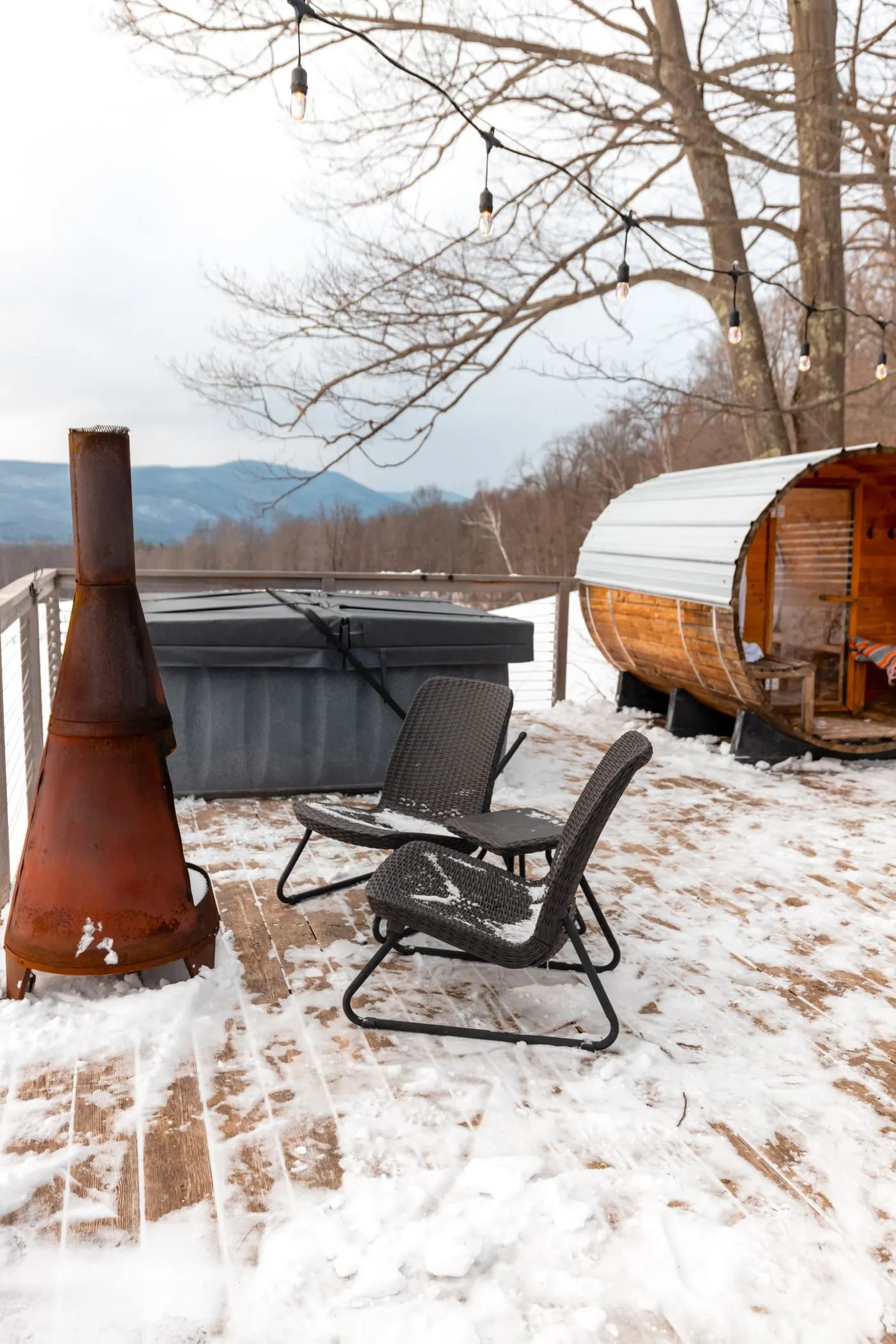
Pairing a sauna with a cold plunge (or a hot tub) completes the hot-cold ritual at home. Plan them close together with safe, non-slip footing between; protect any plumbing and the plunge water from freezing in winter; provide drainage for splash and overflow; and, for a hot tub, adequate power and a licensed electrical connection. The contrast is wonderful but demands sensible cold-water and electrical safety.
The sauna is only half of the tradition; the other half is the cold. Pairing your outdoor sauna with a cold plunge or a hot tub brings the full hot-cold ritual home — the invigorating shock after the heat, repeated as you like. It’s one of the best upgrades you can plan, and it rewards a little forethought about layout, freezing and safety.
The hot-cold ritual
The appeal is the contrast: warm in the sauna, then a sharp cold plunge, then back again. Many people find it energising and deeply satisfying, and it’s central to Nordic sauna culture. Your “cold” can be a plunge tub, a cold shower, a lake or even a roll in the snow — a dedicated cold plunge just makes it consistent and available year-round. A hot tub offers a gentler warm-and-soak variation.
Layout: keep it close and safe
The single most important design choice is proximity with safe footing. You want the cold only a few steps from the heat, but those steps must be:
- Non-slip when wet, snowy or icy.
- Well lit for after-dark use.
- Short and direct, so the transition is quick.
Plan the sauna, the cold plunge or tub, and the path between them as one layout, not as separate afterthoughts — see siting your sauna.
Freezing: the Canadian challenge
Any water outdoors in a Canadian winter can freeze, so plan freeze protection:
- A cold plunge should be cold, not frozen solid — a chiller with circulation and insulation, draining between uses, or protected plumbing keeps it usable.
- A hot tub needs its plumbing and equipment protected and, ideally, kept running through the cold.
- All plumbing should be designed so it can’t burst — heated, insulated, or drainable.
Burst pipes and a block of ice are the classic winter failures; design them out from the start.
Drainage and the foundation
Both add water and weight:
- Drainage for splash, overflow and drain-downs, kept flowing away from the sauna and the tub base.
- A solid, level foundation rated for the load — a filled hot tub is heavy, so a reinforced pad or engineered deck is common; a plunge is lighter but still needs a stable, drained base.
Power and electrical safety
A hot tub (and a chilled plunge) needs adequate power and a licensed electrical connection to code — the same non-negotiable that applies to an electric sauna heater. Don’t improvise wiring around water; have a licensed electrician handle it.
Safety of the contrast
The hot-cold cycle is invigorating but stresses the cardiovascular system. Sensible practice:
- Enter cold water gradually, and keep plunges short.
- Never do it impaired by alcohol.
- Stop if you feel dizzy, faint or unwell.
- If you have a heart condition or other health concerns, consult a physician first.
See our safety guidance and disclaimer — the contrast is not a medical treatment, and it isn’t right for everyone.
Common mistakes
- Slippery or unlit footing between hot and cold.
- Unprotected plumbing that freezes and bursts.
- An under-rated foundation for a filled hot tub.
- DIY electrical work around water instead of a licensed electrician.
- Overdoing the contrast — keep plunges short and sober.
Next steps
A cold plunge or hot tub turns a sauna into a full hot-cold retreat. Plan the layout and site together, design freeze protection and drainage, use a licensed electrician for any powered equipment, and treat cold-water safety with respect. Done well, it’s the best backyard upgrade a sauna can have.
Frequently asked questions
Do you need a cold plunge with a sauna?
No, but many people love the hot-cold contrast — heat, then a quick cold plunge, repeated. A cold plunge tub, a cold shower, a lake or even snow all work. It's optional and personal; if you want the full traditional ritual, planning a cold option next to the sauna is worth it.
How do you keep a cold plunge from freezing in winter?
A cold plunge is meant to be cold, but you still don't want it frozen solid or the plumbing burst. Options include a chiller with circulation and insulation, draining between uses, or heated/insulated plumbing. Any water system outdoors in a Canadian winter needs freeze protection — plan it deliberately.
Can you put a hot tub next to a sauna?
Yes, and it's a popular combination. A hot tub needs a solid, level base for its weight when full, adequate power and a licensed electrical connection, and drainage. Site it close to the sauna with safe footing between, and treat the electrical work as a licensed, code-regulated job.
Is the hot-cold cycle safe?
For most healthy adults, moving between heat and cold is invigorating, but it stresses the cardiovascular system. Enter cold water gradually, keep plunges short, never do it impaired by alcohol, and stop if you feel unwell. People with heart conditions or other health concerns should consult a physician first.
What foundation does a hot tub or plunge need?
A solid, level base rated for the filled weight, which is substantial for a hot tub. A reinforced pad or an engineered deck is common. A cold plunge is lighter but still needs a stable, drained base. Match the foundation to the load and keep water draining away from both it and the sauna.