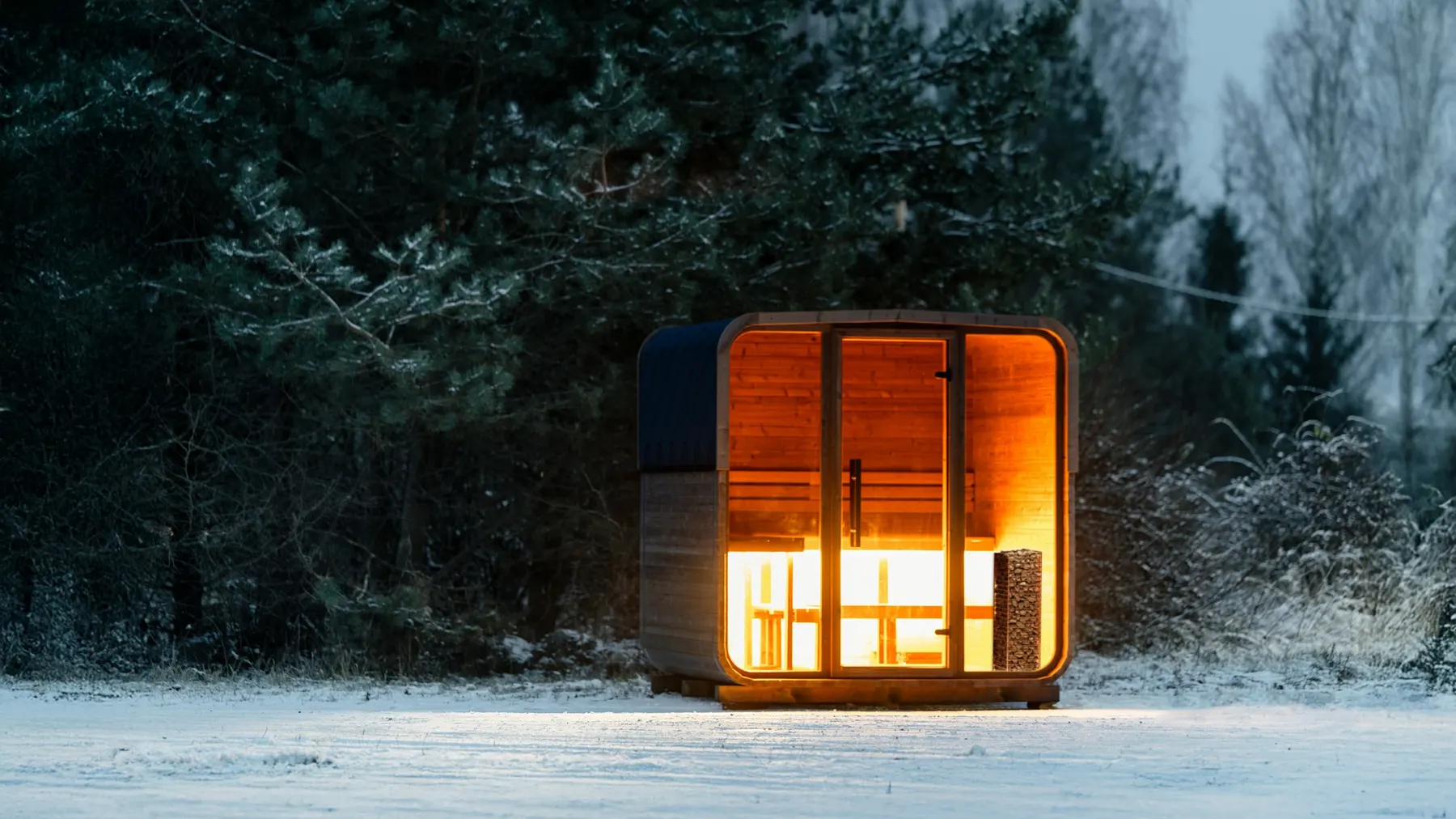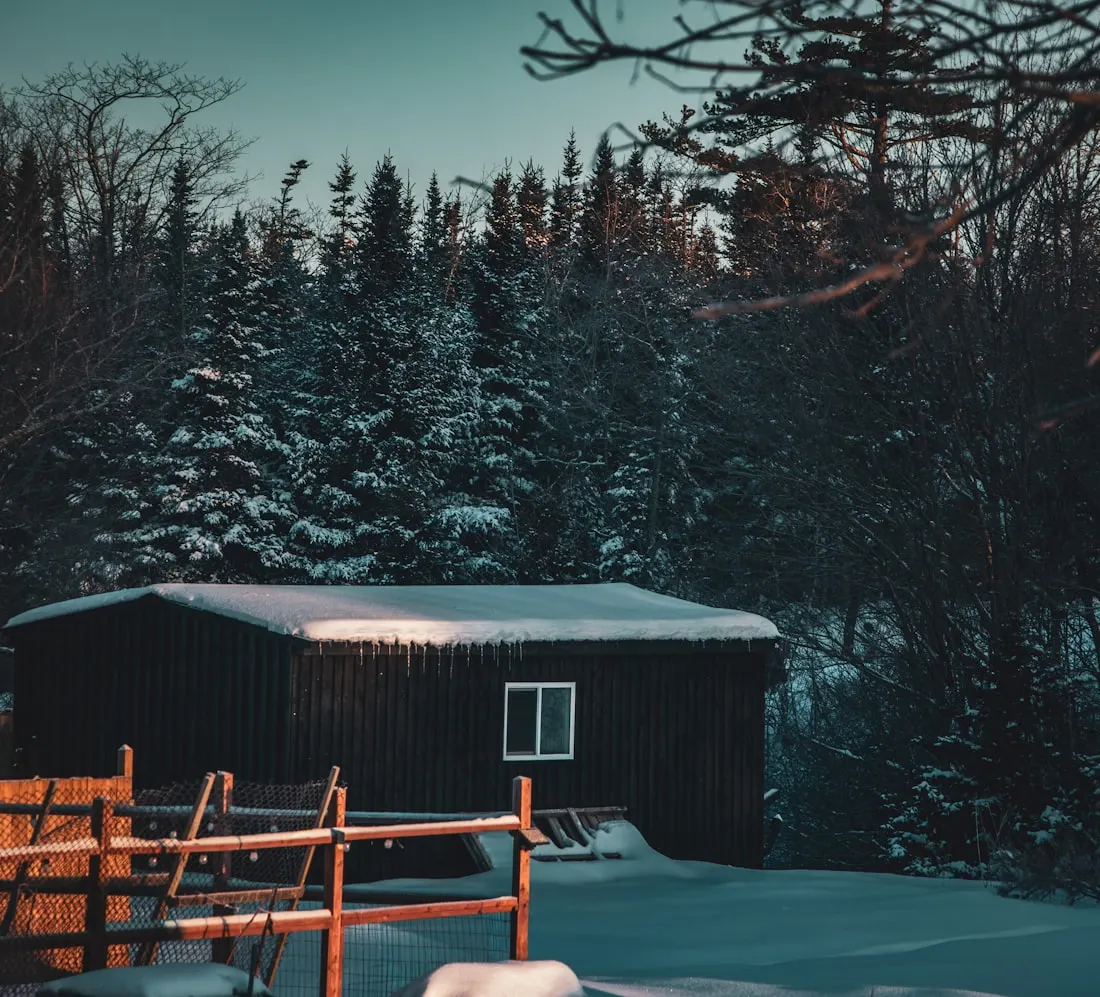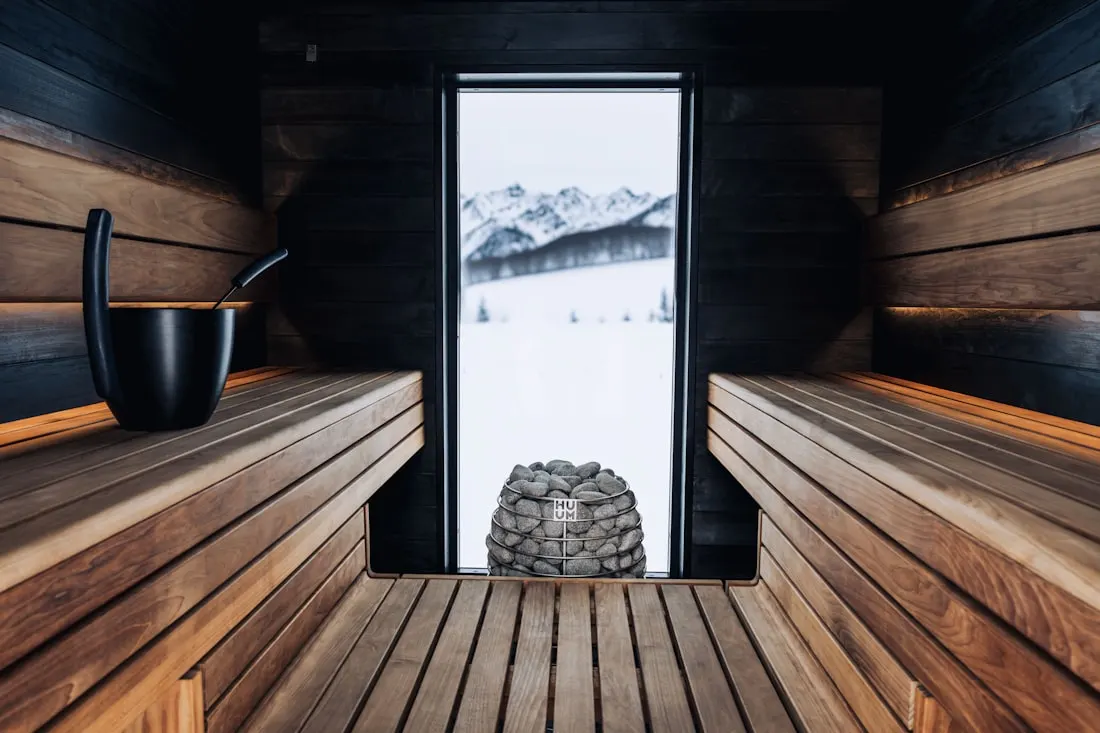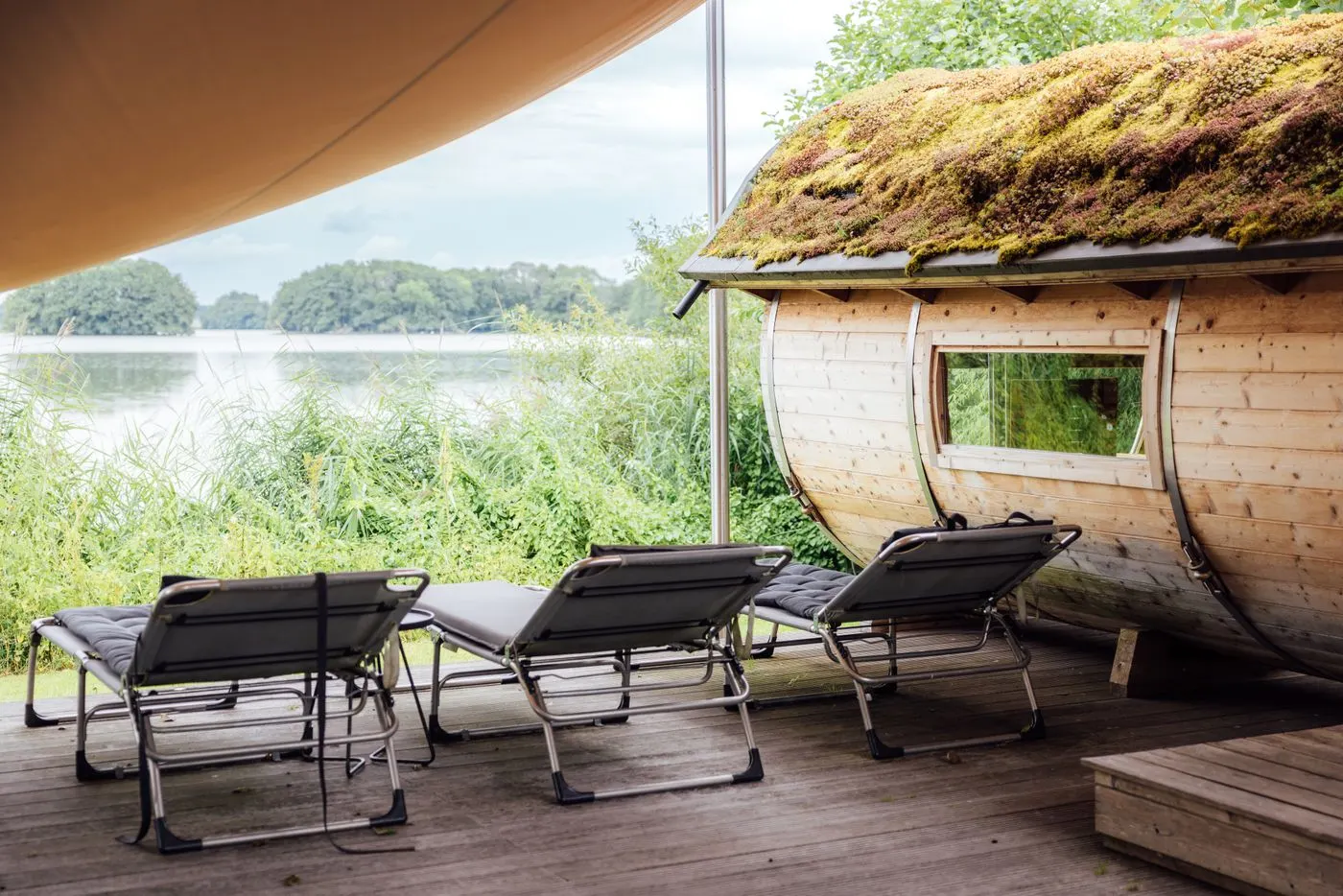
A lakeside sauna pairs the heat with an instant cold plunge in the lake — the classic Nordic contrast. The reward is unmatched, but shoreline sites bring extra rules: setbacks from the water, environmental protections, drainage on often-wet ground, and a foundation suited to soft or variable soil. Confirm local and provincial shoreline regulations before you plan, and design drainage and access with care.
Few things capture the sauna tradition like a lakeside one: the heat, then a few steps to the dock and straight into cold water. It’s the Nordic hot-cold contrast in its purest form, and on a Canadian lake it’s magic. It’s also the most regulated and site-sensitive place to build, so the dream needs careful planning.
The appeal: heat and cold plunge
The whole point of a lakeside sauna is immediacy — from the löyly to the lake in seconds. That hot-then-cold cycle is what many people chase, and having open water rather than a plunge tub makes it effortless in summer and thrilling in winter (with an ice hole, for the brave). It’s an experience a backyard sauna can’t quite match.
Shoreline rules come first
Before anything else: shoreline building is regulated. Expect some combination of:
- Setbacks from the high-water mark, often significant.
- Environmental and shoreline-protection rules limiting what you can build and how close.
- Permits specific to waterfront construction.
These vary by province, municipality and water body, and they can rule out the spot you had in mind. Confirm exactly what’s permitted with your local authority before you design — see our planning and siting guide. Building first and asking later is a costly mistake on a shoreline.
Wet ground and foundations
Lakeside soil is often wetter, softer or more variable than a dry backyard, which changes the foundation decision. A slab poured on wet, soft soil can be a problem; piers or ground screws that reach stable ground, or an engineered solution, often suit better. On difficult shoreline ground, a professional assessment is money well spent — the water table and soil can behave in ways a normal lot doesn’t.
Drainage and moisture
By the water, moisture management is a priority:
- Grade and drain so water — including lake-level changes and runoff — flows away from the sauna.
- Keep the structure off wet ground with a raised, ventilated base.
- Protect the exterior wood and detail the roof well.
- Ventilate and dry the interior after use as diligently as any sauna, more so given the damp setting.
Access and cold-water safety
The plunge is the payoff, but plan it properly:
- Safe, non-slip access to the water — steps, a dock or a ladder that stays sound and grippy when wet or icy.
- Lighting for the path and the water’s edge, since you’ll use it after dark.
- Sensible cold-water practice — cold immersion carries real risks, especially alone, after alcohol, or in winter through ice. Enter gradually, keep it short, and don’t plunge if you have health concerns. See our safety guidance.
Pros and cons
Advantages
- Instant, natural cold plunge in the lake
- The classic hot-cold sauna experience
- Beautiful, restorative waterfront setting
- Summer swimming and winter contrast alike
Limitations
- Shoreline setbacks and environmental rules
- Wet, variable ground complicates foundations
- Higher moisture-management demands
- Cold-water access and safety to design carefully
Common mistakes
- Building without checking shoreline rules and setbacks first.
- A foundation unsuited to wet soil.
- Slippery or unsafe water access, especially in winter.
- Neglecting drainage and drying in a damp environment.
Next steps
A lakeside sauna is worth the extra planning if you have the shoreline and the rules allow it. Start with siting and local rules, match the foundation to wet ground, and treat cold-water safety seriously. The format itself can be a barrel, cabin or pod — the “lakeside” part is about where and how you build, not the shape.
Frequently asked questions
Can I build a sauna next to a lake in Canada?
Often yes, but shoreline building is more regulated than a normal backyard. Setbacks from the high-water mark, environmental and shoreline-protection rules, and permits commonly apply, and they vary by province and municipality. Confirm exactly what's allowed on your shoreline before you plan or build.
How far from the water does a sauna need to be?
There's no universal distance — shoreline setbacks are set by your province and municipality and depend on the water body and zoning. They can be significant. Never assume; check the required setback from the high-water mark with your local authority before siting a lakeside sauna.
What foundation works near a lake?
Shoreline ground is often wetter, softer or more variable, so drainage and a foundation matched to the soil are critical. Piers or ground screws that reach stable ground, or an engineered solution, may suit better than a slab on wet soil. On difficult shoreline ground, get a professional assessment.
Is a lakeside sauna worth it for the cold plunge?
For many, absolutely — stepping from the heat straight into cold water is the heart of the sauna tradition. Just plan safe, non-slip access to the water, good lighting, and sensible cold-water practices, and respect that cold-water immersion carries its own risks, especially alone or after alcohol.
Do lakeside saunas have more moisture problems?
They can, given the damp shoreline environment. Good drainage away from the sauna, a foundation that keeps the structure off wet ground, protected exterior wood, and diligent ventilation and drying after use all matter more by the water. Treat moisture management as a priority, not an afterthought.