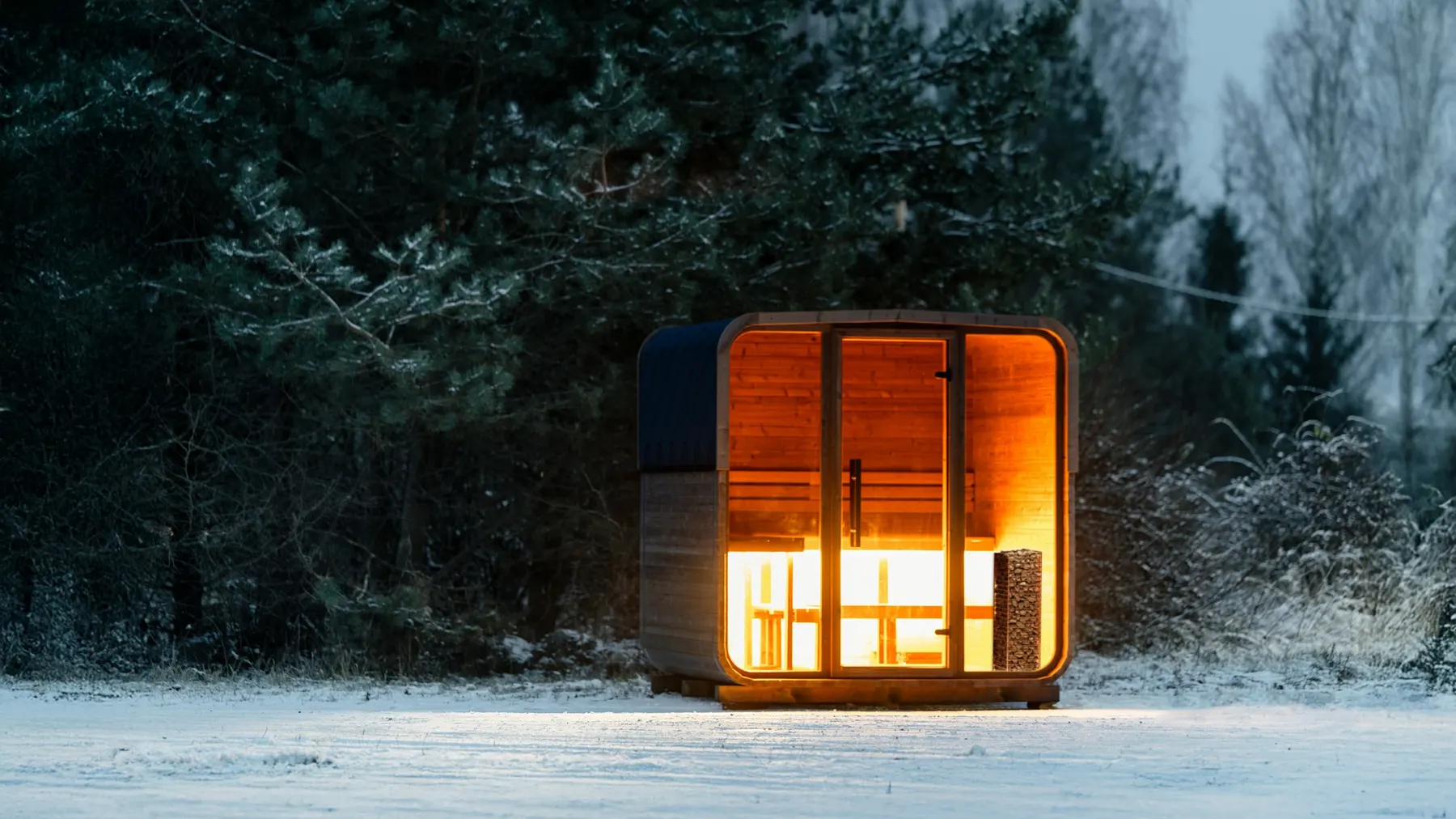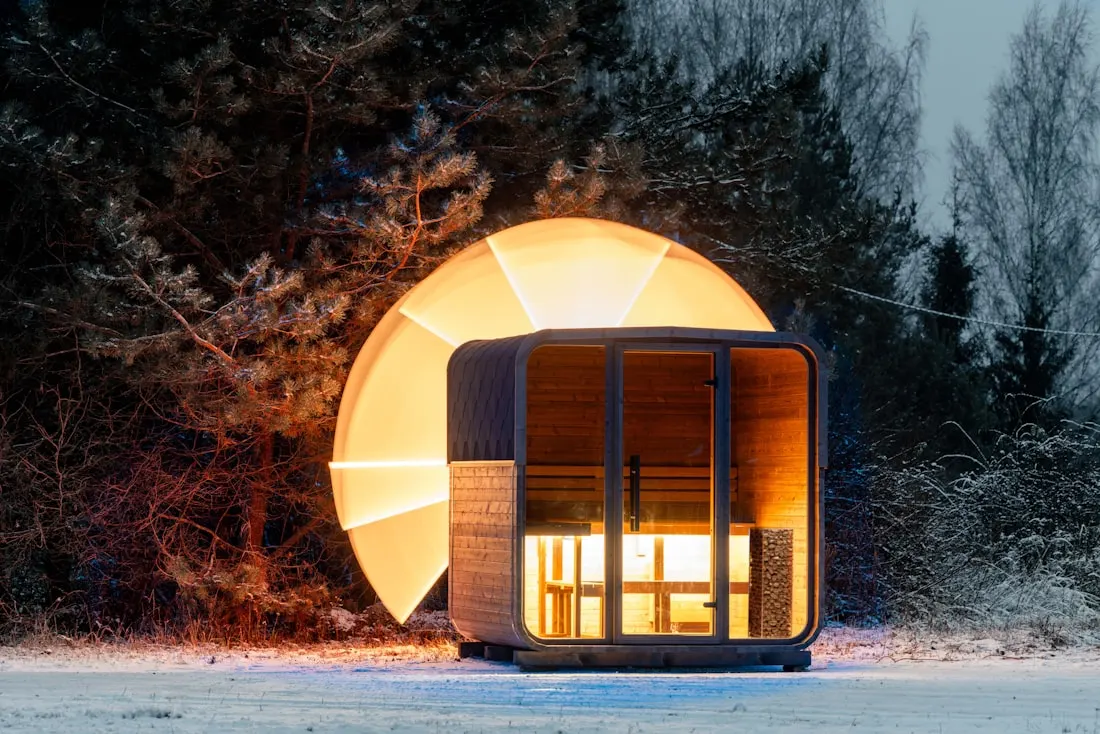
A pod sauna is a compact outdoor sauna with a rounded or arched roof, usually in a short capsule shape. The curve sheds snow and rain well and looks distinctly modern, and better models are framed and insulated like a cabin. The main trade-offs are a small interior and a shape that constrains benches, ventilation and heater placement.
Pod saunas are the design-forward option: a short capsule with a rounded or arched roof that looks more like modern architecture than a garden shed. Beyond the looks, the shape has a practical logic in snow country — but the compact interior and curved walls come with trade-offs worth understanding before you buy.
What a pod sauna is
A pod sauna is a small outdoor sauna built in a rounded, capsule-like form, usually with an arched roof and often a large glazed end. Construction varies more than the name suggests: the best pods are framed and insulated with a vapour barrier, much like a cabin sauna, while lighter designs are closer to a shaped shell. That difference decides how well the pod performs in a Canadian winter.
The curved roof
The signature arched roof isn’t just styling. A curve sheds snow and rain rather than letting them collect, which reduces snow load and water pooling — genuinely useful where winters are heavy. The rounded ceiling also helps warm air circulate over the benches.
The catch is that curves are harder to insulate and detail than flat framed surfaces, and the roof and walls often blend into one continuous shape. On a well-made pod that’s handled in the factory; on a cheap one it’s where heat escapes.
Interior space and layout
Pods are compact by nature. The rounded walls cut into usable width at the shoulders and floor, and the short length limits bench options — most pods comfortably seat two to four. If you want two full tiers of benches, room to lie down, or a changing area, measure the real interior rather than the outside dimensions, and compare against a rectangular format.
Ventilation and heater placement
The same shape that circulates heat also constrains where vents and the heater can go. A working ventilation path — fresh-air intake near the heater and an adjustable exhaust — still applies, but the curved walls give you fewer easy locations, so plan it deliberately.
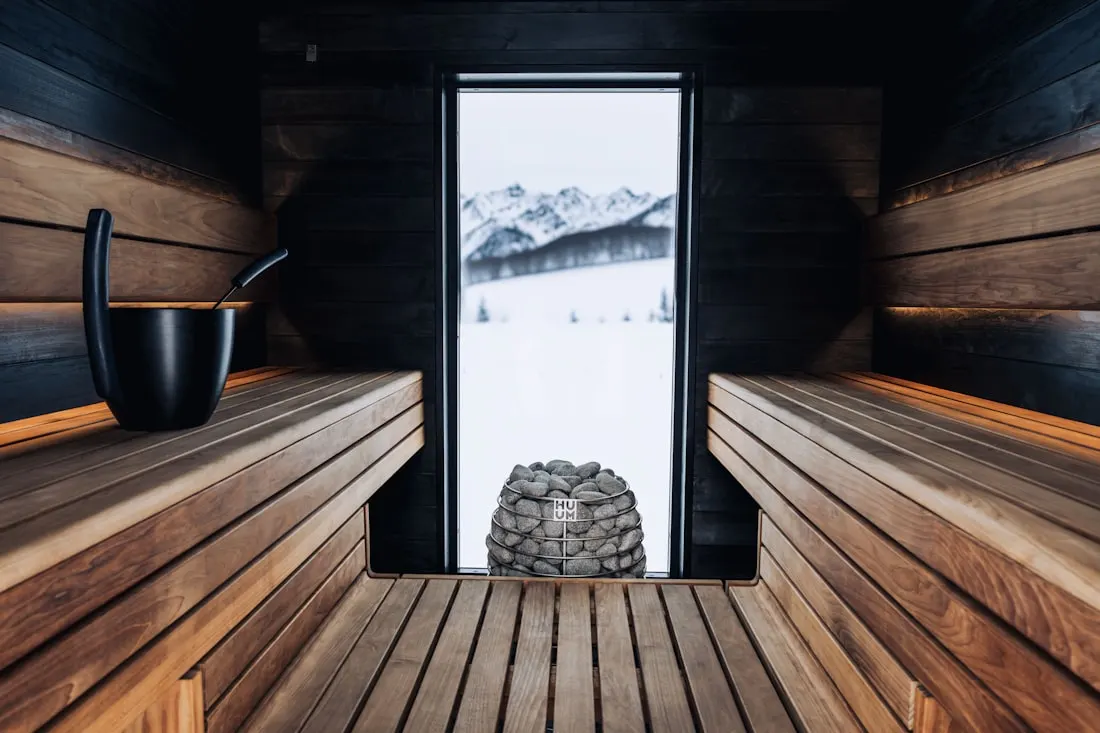
Heater placement is likewise tighter. Electric heaters suit pods because they’re compact and easy to control, and their clearances are modest. A wood-burning stove needs space for clearances and a chimney that a small pod may struggle to provide, so confirm the manufacturer’s requirements before assuming a wood heater will fit.
Weather resistance and winter use
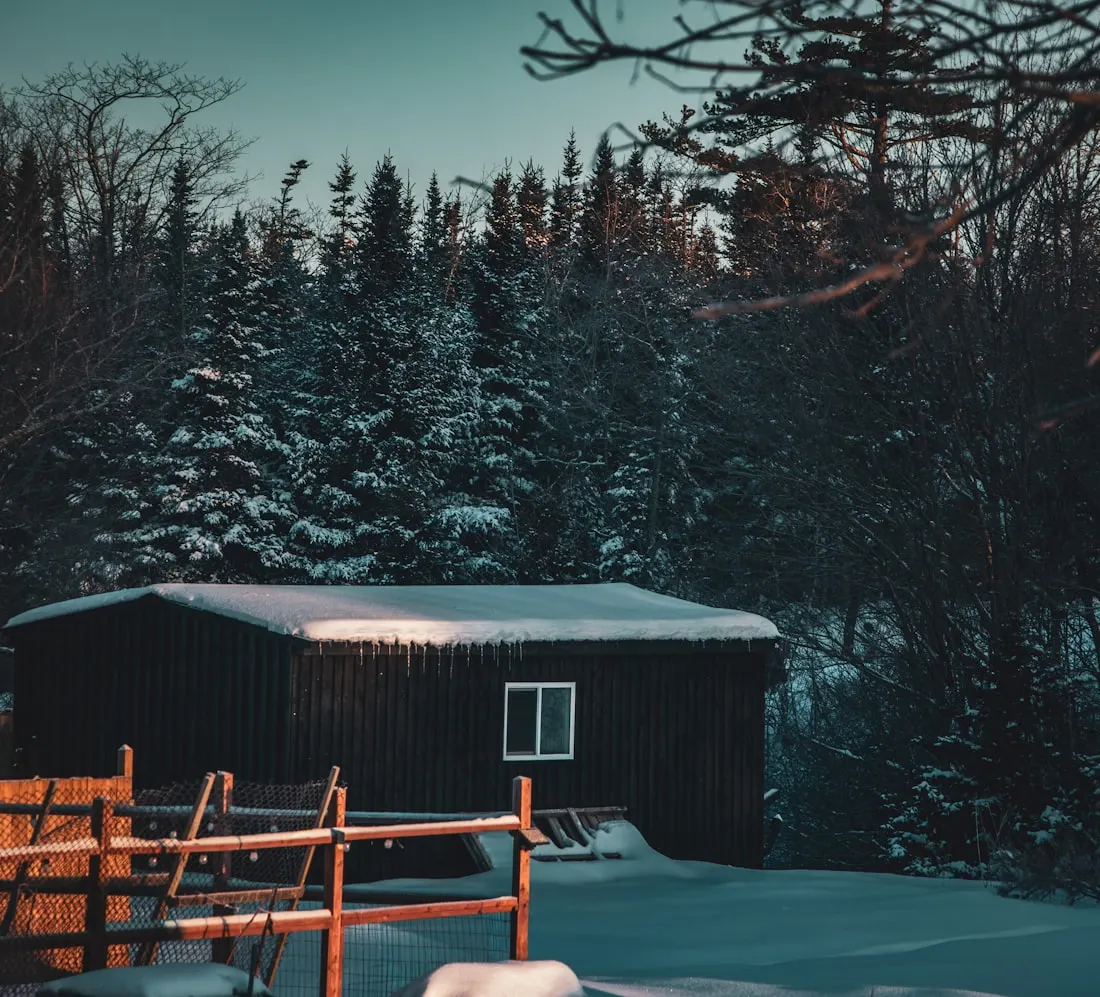
A quality insulated pod handles winter well: the roof sheds snow, the glazed end gives a view of the cold while you’re in the heat, and the sealed envelope keeps warm-up reasonable. A thin shell pod, by contrast, will heat quickly but shed that heat just as fast and is more prone to condensation on cold interior surfaces. As with any format, ventilate and dry it after use to keep moisture in check.
Pros and cons
Advantages
- Curved roof sheds snow and rain
- Modern, distinctive appearance
- Good models are framed and insulated
- Compact footprint suits small yards
- Large glazed ends offer a view
Limitations
- Small interior; limited bench space
- Curved walls constrain layout and ventilation
- Tight fit for a wood-burning heater and chimney
- Often priced as a premium kit
- Cheaper shell pods insulate poorly
Common mistakes
- Judging a pod by its looks, not its build. Ask whether it’s framed and insulated with a vapour barrier, or just a shaped shell.
- Assuming a wood stove will fit. Clearances and a chimney may not work in a small pod — confirm first.
- Underestimating how small it is inside. Measure usable bench space, not the outside shape.
- Neglecting ventilation because the shape is awkward. Plan the intake and exhaust deliberately.
Cost in Canada
Pods are frequently sold as premium, design-led kits, so cost per person can run higher than a plain barrel or a DIY cabin. Whether the pod is insulated, its size, the heater and the amount of glazing drive the price. Confirm exactly what’s included — heater, foundation, delivery — and treat any figure as an approximate range. See our cost guidance for the factors that matter.
Alternatives
If you want the most winter performance and layout flexibility for the money, a cabin sauna is usually the stronger buy. If low cost and fast heat-up matter most, consider a barrel sauna. The pod earns its place when the modern look, the snow-shedding roof and a compact footprint are what you’re after.
Frequently asked questions
Are pod saunas good for winter?
They can be. A pod that is properly framed and insulated behaves much like a cabin sauna and handles winter well, and the curved roof sheds snow. A thin, uninsulated shell pod will heat fast but lose heat quickly. Check how it's built, not just how it looks.
Can a pod sauna be insulated?
Better pods have a framed, insulated envelope with a vapour barrier, just like a cabin. Lighter designs rely on the shell alone and can't be insulated much after the fact. If year-round cold-climate use matters, choose an insulated model.
How many people fit in a pod sauna?
Most pods are compact — commonly two to four people. The rounded walls and short length limit bench space, so if you regularly want to seat more or lie down, measure the usable interior carefully or consider a cabin format.
Does the curved roof help with snow?
Yes. A rounded or arched roof sheds snow and rain rather than letting it pond, which is useful in snow country. You still need to insulate and vapour-seal the ceiling, and confirm the structure suits your local snow load.
Where does the heater go in a pod sauna?
Heater placement is more constrained by the curved walls and small footprint, so follow the manufacturer's clearances closely. Electric heaters are common in pods for their compactness; a wood-burning stove needs room for clearances and a chimney, which a small pod may not easily provide.
How much does a pod sauna cost?
Pods are often sold as premium, design-led kits, so prices can be higher per person than a plain cabin or barrel. Cost depends on size, whether it's insulated, the heater and glazing. Treat any figure as an approximate range and confirm what's included.