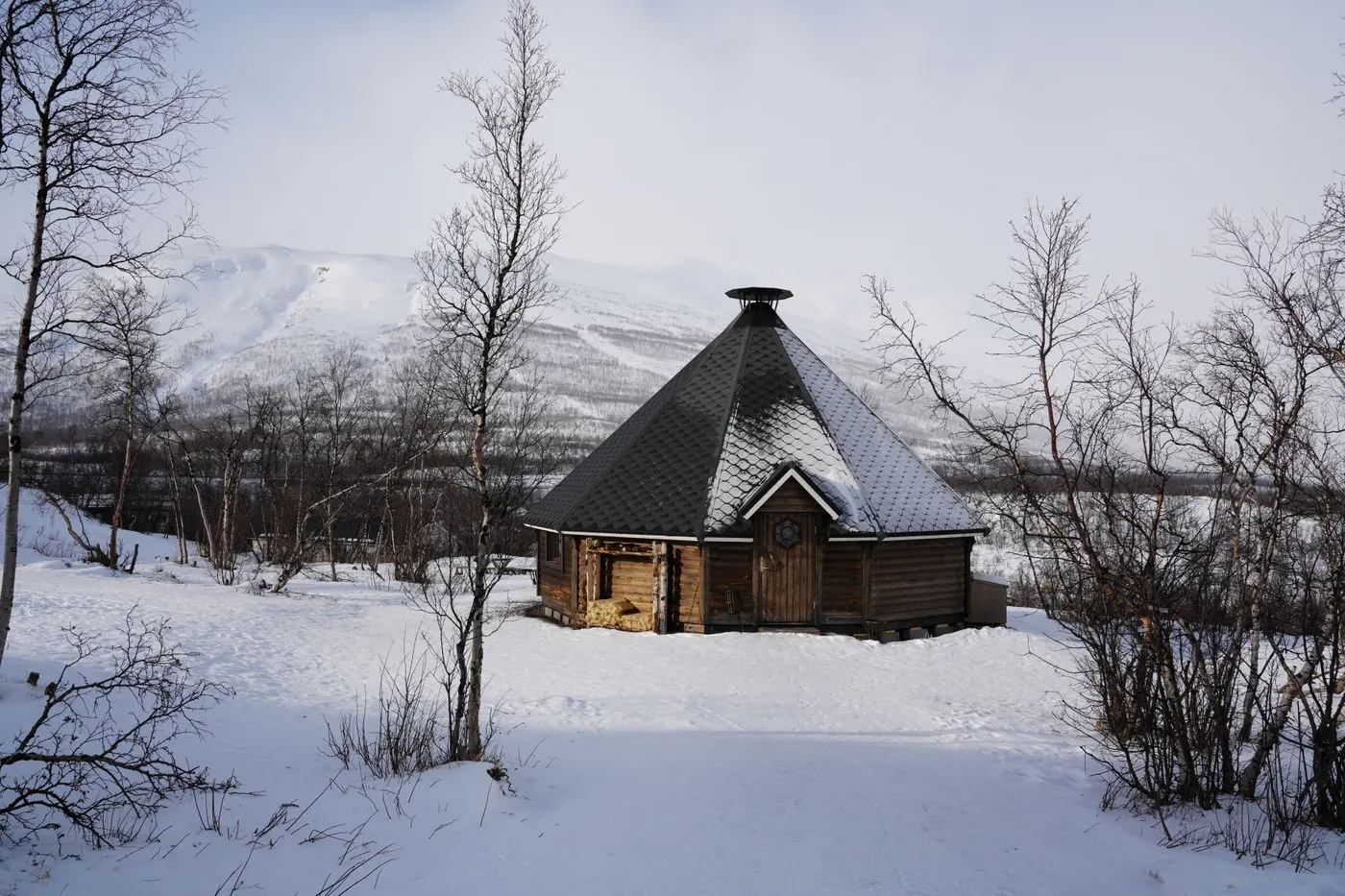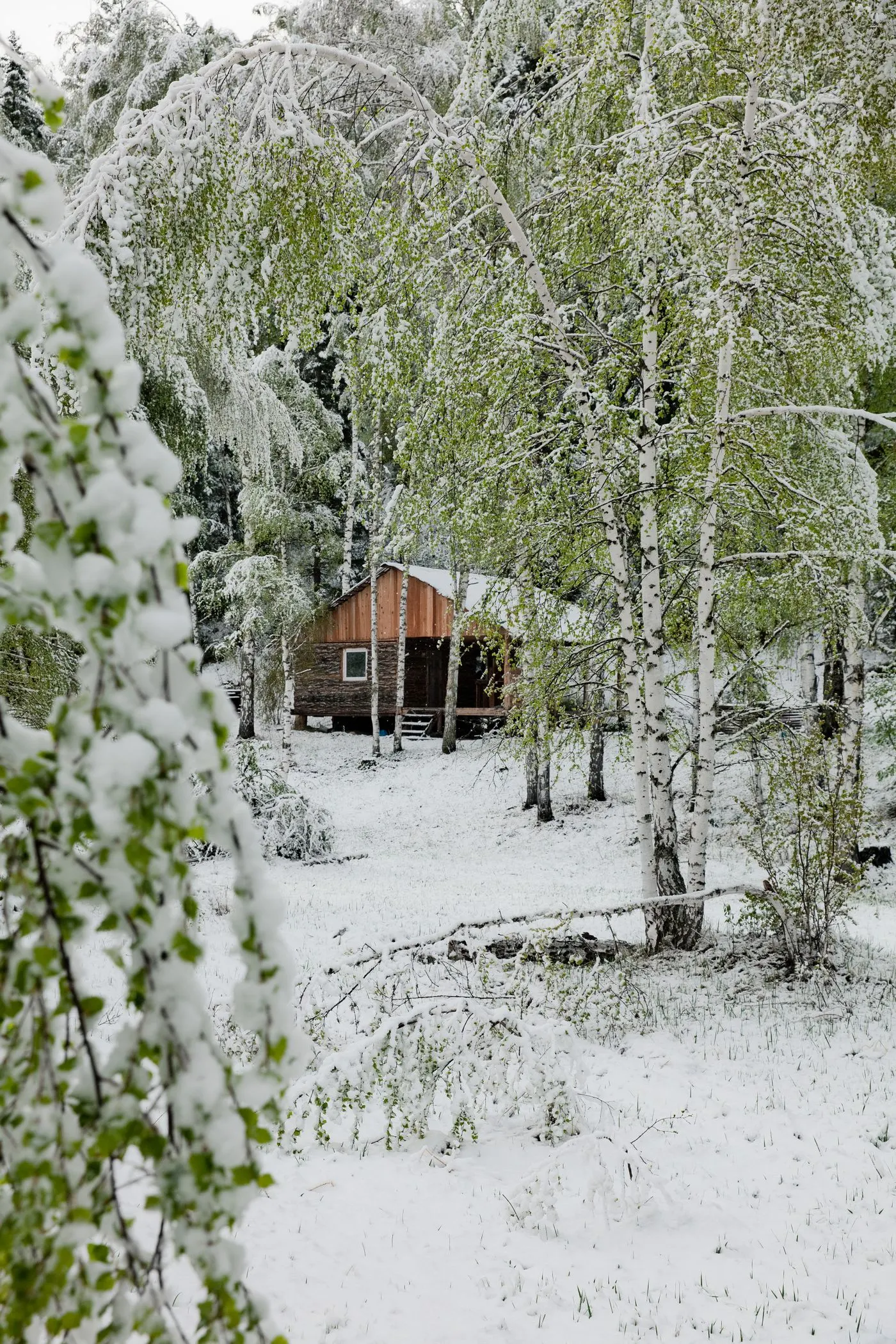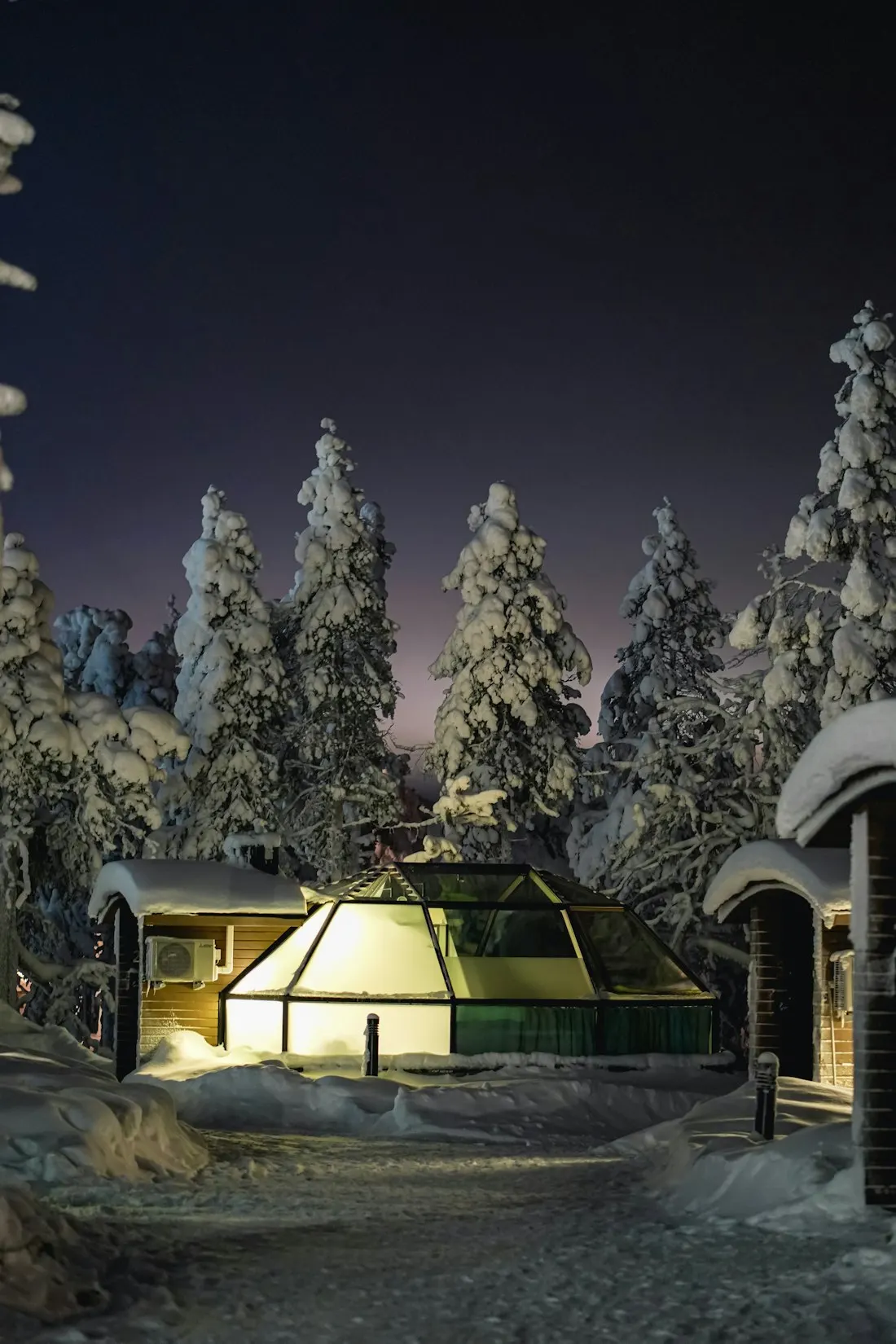
A sauna roof must be designed for your local snow load, and in heavy winters you may still need to clear deep or wet snow to stay within safe limits. Watch for ice dams at the eaves, keep snow clear of the chimney, and clear snow safely from the ground with a roof rake rather than climbing an icy roof. A pitched or metal roof that sheds snow reduces the problem; a flat roof needs more attention.
A sauna roof carries a real winter job: holding — or shedding — whatever snow the season throws at it. Most of the time a properly designed roof just gets on with it, but heavy Canadian winters occasionally demand your attention. Here’s how to keep the roof sound and safe.
Snow load: designed in
The foundation of a safe roof is structural design for your local snow load. Snow — especially wet snow — is heavy, and loads vary enormously across the country. A roof built and rated for your area handles normal winters without thought. The time to get this right is at construction; retrofitting strength into an under-built roof is hard.
When to clear it
Even a well-designed roof can benefit from clearing when:
- Snow is unusually deep or heavy and wet.
- The roof is flat or low-slope (common on cube saunas) and doesn’t shed.
- You’re unsure of the roof’s rating and want to stay well within limits.
A pitched or metal roof sheds snow and reduces this chore; a flat one needs more watching.
Ice dams
Where heat escapes through the roof, it melts the snow above, which then refreezes at the cold eaves and backs water up under the roofing — an ice dam. A well-insulated, well-ventilated ceiling keeps the roof surface cold and even, reducing dams. If you see them recur, better ceiling insulation and detailing is the real fix, not just chipping ice.
The chimney
Keep snow clear of the chimney and its penetration. Deep snow around a chimney can affect draft and, on a low roof, even reach the flue. Make sure the chimney stays clear and its flashing sound.
Clearing safely
If you do clear snow:
- Work from the ground with a roof rake — don’t climb onto an icy, sloped roof.
- Pull snow down and away, keeping clear of the chimney and anyone below.
- Don’t gouge the roofing.
- If it’s too high or heavy to manage safely, get help — a fall isn’t worth it.
Build for snow, then manage it safely
The best defence against roof-snow problems is a roof designed for local snow loads in the first place — the right pitch, structure and construction so it either sheds snow naturally or safely carries the load your region gets. On a well-designed pitched roof, much of the snow slides or melts off on its own; a flat or low-slope roof needs particular attention to load and drainage. Where clearing is needed, do it safely and never at personal risk — and be mindful of where snow will slide or be cleared to, so it doesn’t bury the door, the vents or a cleared path. Watch for ice and meltwater that can pool or back up at the eaves, which ties into roof and gutter care and freeze-thaw protection. A roof built for the load, plus sensible seasonal attention, keeps snow from ever becoming a problem.
Common mistakes
- An under-designed roof for local snow load.
- Climbing an icy roof to clear it.
- Ignoring recurring ice dams instead of fixing insulation.
- Letting snow bury the chimney.
Next steps
Get the roof and insulation right at build time, favour a snow-shedding pitched or metal roof in heavy-snow areas, and clear safely from the ground when needed. For the wider winter picture, see heating below freezing and freeze-thaw protection.
Frequently asked questions
Do I need to clear snow off my sauna roof?
Sometimes. A roof designed for your local snow load handles normal winters, but deep or heavy wet snow, or a low-slope roof that doesn't shed, may need clearing to stay within safe limits. Clear it safely from the ground with a roof rake, and keep snow away from the chimney.
How much snow can a sauna roof hold?
As much as it was designed for — the safe snow load is set by the structure and your local building requirements, which vary widely across Canada. If you don't know your roof's rating or you're seeing unusually deep, wet snow, err on the side of clearing it or consult a professional.
What are ice dams and do saunas get them?
Ice dams form when heat escaping through the roof melts snow, which refreezes at the cold eaves and backs water up under the roofing. A well-insulated, well-detailed sauna roof reduces them; poor insulation and ventilation make them worse. Watch the eaves and improve the ceiling insulation if dams recur.
How do I safely clear snow off a sauna roof?
From the ground, with a roof rake — don't climb onto an icy, sloped roof. Pull snow down and away, keep clear of the chimney and any people below, and don't gouge the roofing. If the roof is too high or the snow too heavy to manage safely, get help rather than risking a fall.
Does a pitched roof shed snow better?
Yes. A steeper pitch, especially with metal roofing, sheds snow rather than letting it accumulate, reducing load and clearing chores. A flat or low-slope roof, common on modern cube saunas, holds snow and needs proper structural design and more attention in heavy winters.