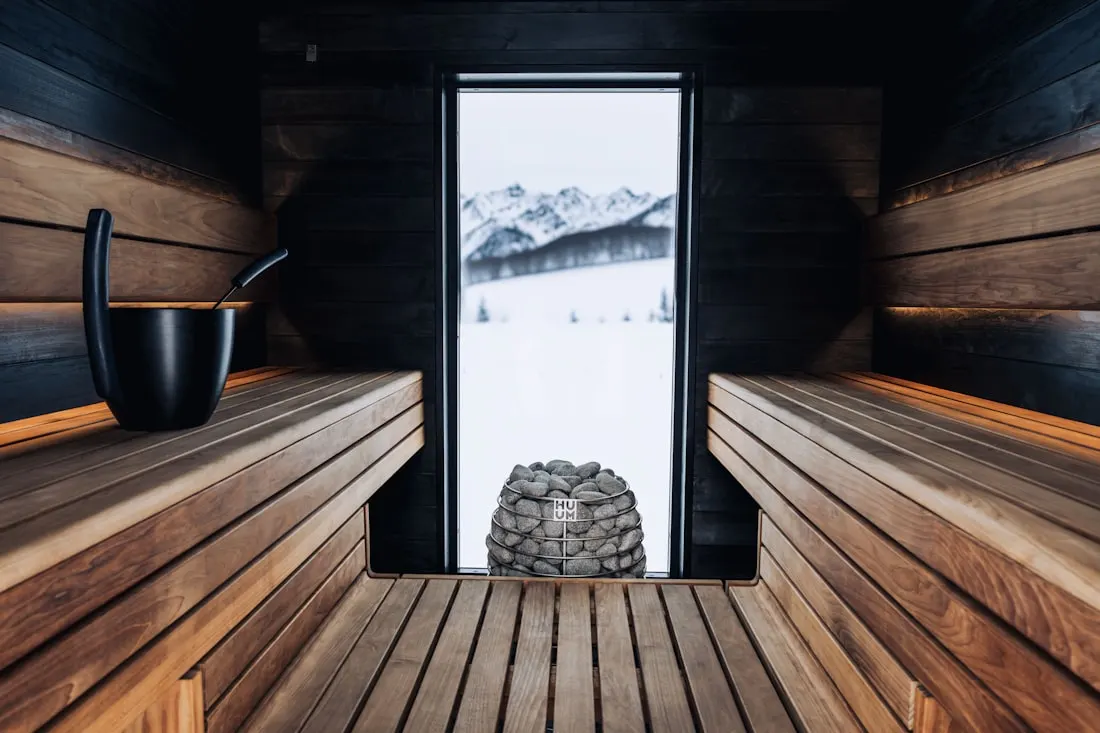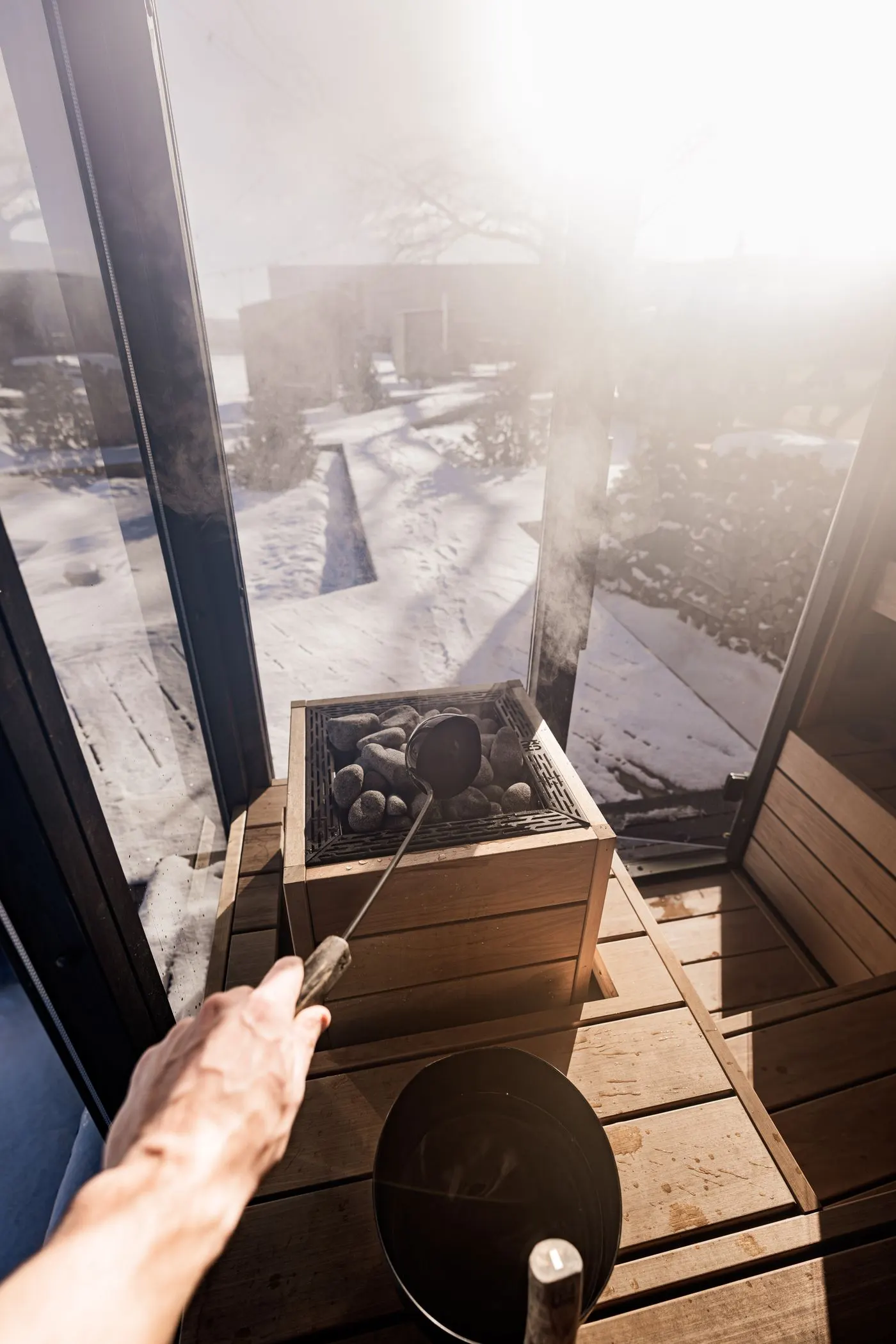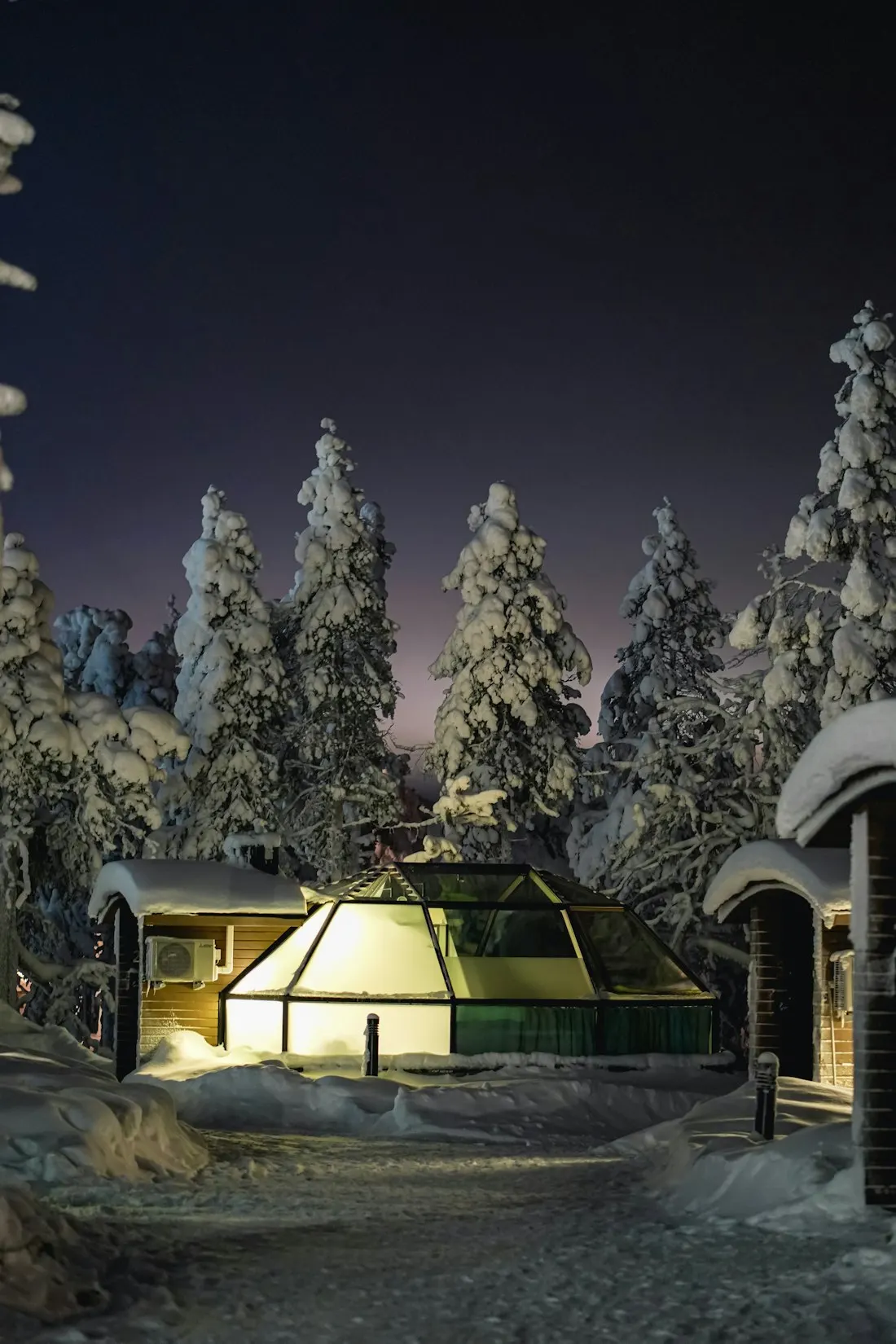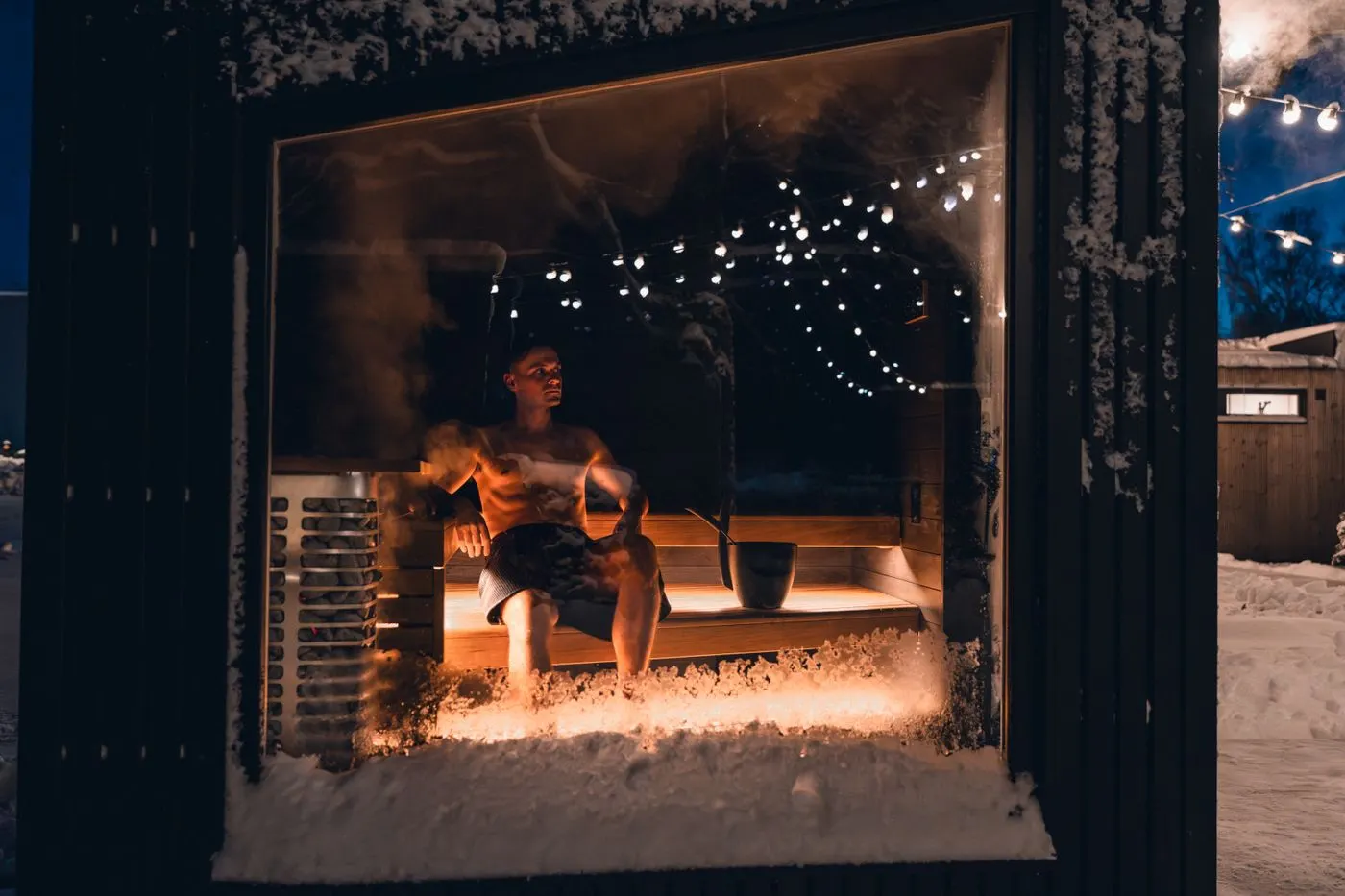
In winter, manage sauna ventilation in three phases: keep vents mostly closed during warm-up to reach temperature, open the adjustable exhaust while bathing for fresh air and comfort, then open the exhaust fully and prop the door after use to dry the sauna. The goal is to hold heat when you need it and clear moisture when you don't — using an adjustable exhaust rather than starving the room of air.
Winter ventilation feels like a contradiction: you’ve worked to trap heat, and ventilating lets some out. But sealing an outdoor sauna up tight in the cold is exactly how you get condensation, damp and mould. The answer isn’t to choose between heat and fresh air — it’s to manage the airflow across the session so you get both.
The three phases
Think of winter ventilation in three stages:
- Warm-up — mostly closed. With the door shut and the exhaust closed or nearly so, the sauna reaches temperature faster. This is when holding heat matters most.
- Bathing — exhaust open. Once you’re in, open the adjustable exhaust for fresh air, even heat and comfort. You’ll lose a little warmth; a correctly sized heater keeps up.
- After use — fully open to dry. Open the exhaust fully and prop the door so the warm, moist air escapes and the wood dries. This is non-negotiable in winter.
The key tool is the adjustable exhaust — it lets you dial airflow up and down instead of choosing between sealed and wide open.
Why you can’t just seal it up
In winter the difference between a hot, humid interior and a freezing exterior is at its greatest, which means condensation risk is at its peak. A sauna closed up wet in the cold traps that moisture on cold surfaces, leading to damp, musty smells, mould and even ice. A little heat lost to proper venting and drying is a small price for a dry, healthy sauna — and good insulation makes that price smaller.
Insulation lowers the cost of ventilating
The better [insulated](/construction/outdoor-sauna-insulation/) your sauna, the less heat proper ventilation and drying cost you, because the structure holds warmth and its surfaces stay warmer. Insulation and ventilation work together — one makes the other affordable.
Drying in freezing weather
The instinct to “shut it up quick” on a −25 °C night is exactly wrong. That’s when drying matters most: open the exhaust and door while the sauna is still warm so the residual heat drives the moisture out. Skip it and you’ll find damp wood, and possibly ice, next time. See preventing condensation for the full routine.
Passive is usually enough
You rarely need a mechanical fan. A well-planned passive intake-and-exhaust layout, managed across the three phases, handles most outdoor saunas through winter. Combine it with insulation and disciplined drying and you have a sauna that’s warm when you want it and dry when you leave it.
Common mistakes
- Sealing the sauna up wet in the cold — the top cause of winter damp.
- No adjustable exhaust, so you can’t balance heat and air.
- Never drying after a session, trapping moisture on cold surfaces.
- Blaming ventilation for heat loss when the real fix is insulation.
Next steps
Ground this in the ventilation fundamentals, pair it with insulation and a correctly sized heater, and follow the condensation-prevention routine after every winter session.
Frequently asked questions
Should I close sauna vents in winter to keep heat in?
During warm-up, keeping the vents mostly closed helps reach temperature faster. But don't seal the sauna up entirely in use or after — you need fresh air while bathing and moisture removal afterward. Use an adjustable exhaust to balance heat retention against ventilation, rather than blocking air completely.
How do I ventilate a sauna in winter without losing heat?
Work in phases: vents mostly closed to warm up, exhaust opened for fresh air while you bathe, then fully open plus the door propped to dry afterward. This holds heat when it matters and clears moisture when it doesn't. An adjustable exhaust is what makes the balance possible.
Why is winter ventilation important if it loses heat?
Because sealing a sauna up in the cold traps moisture that condenses on cold surfaces and leads to damp and mould. A little heat loss from proper venting and drying is a fair trade for a dry, healthy sauna. Better insulation reduces the heat cost of ventilating.
Does poor winter ventilation cause condensation?
Yes. In winter the gap between hot, humid interior air and cold surfaces is largest, so a sauna that isn't ventilated and dried condenses heavily. Proper phased ventilation plus after-use drying is the main defence, alongside good insulation.
Should I dry the sauna even when it's freezing outside?
Especially then. Closing a wet sauna up in freezing weather traps moisture that condenses and can even ice up. Opening the exhaust and door to dry it while it's still warm clears that moisture — do it after every winter session.
Do I need a mechanical fan for winter ventilation?
Usually not. A well-planned passive intake-and-exhaust layout, managed across warm-up, use and drying, handles most outdoor saunas in winter. Good insulation reduces how much heat proper ventilation costs you, making passive ventilation entirely practical in the cold.