Heating an outdoor sauna below freezing takes longer and needs a bit more care than in mild weather: the structure, stones and benches all start cold, wind strips heat, and warm-up climbs. Give it extra time so the benches and stones — not just the air — are properly warm, keep the door and exhaust closed during warm-up, shelter it from wind, and rely on a correctly sized heater and good insulation. Below freezing, patience and a warm envelope are everything.
Heating an outdoor sauna below freezing is one of the great pleasures of a Canadian winter — and a slightly different exercise from firing one up on a mild evening. Nothing about it is difficult, but a few realities of the cold are worth understanding so your sessions are warm and comfortable, not a chilly disappointment.
Everything starts cold
In deep cold, the whole sauna — the structure, the stones and the benches — begins well below zero. So the heater isn’t just warming air; it’s bringing a cold building and a cold thermal mass up to temperature. That’s why warm-up takes longer than in summer, and why the room can read hot while the benches still feel cool.
Air vs surfaces
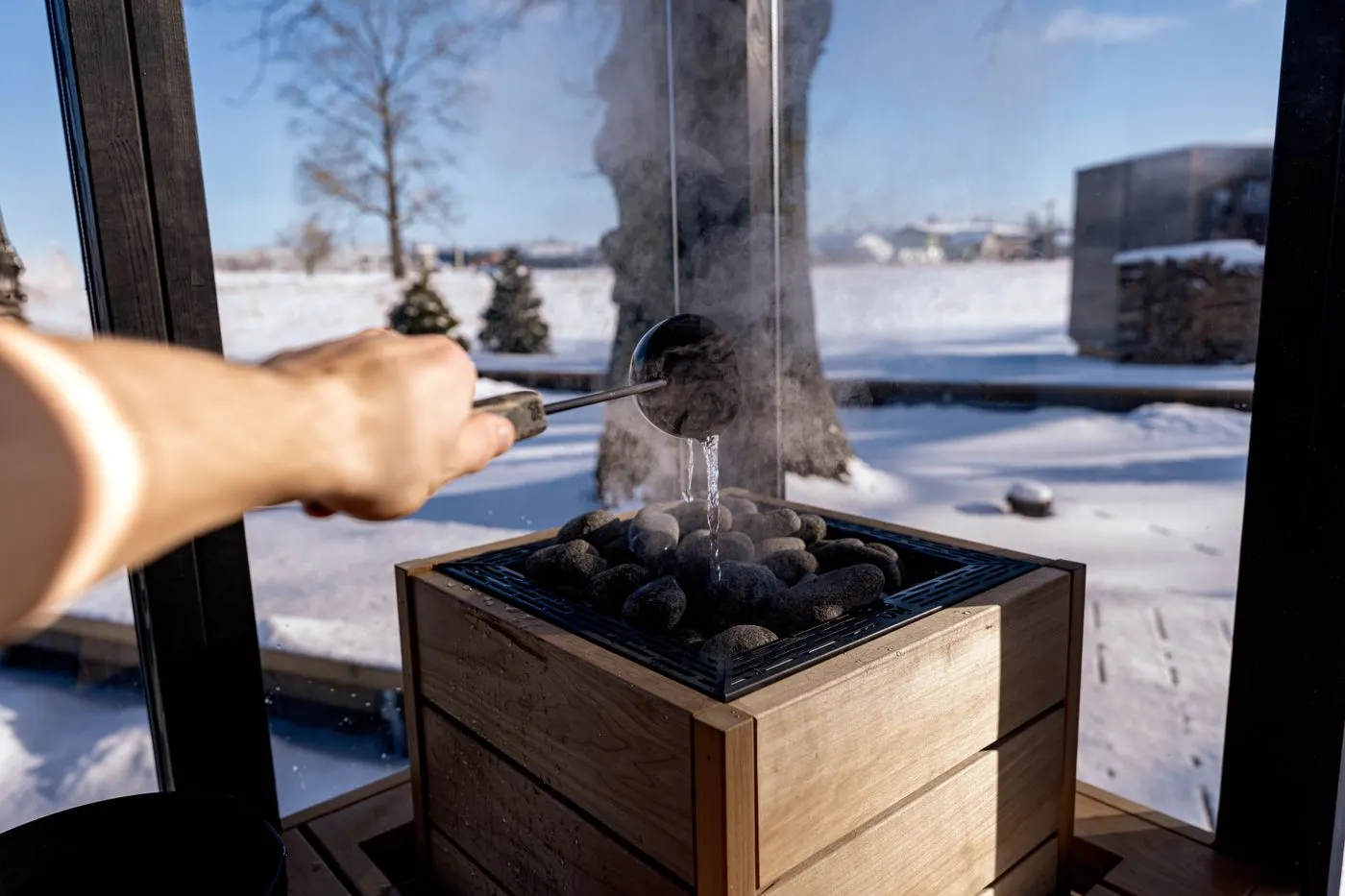
A key winter insight: the air heats faster than the surfaces. Your thermometer may show a good temperature while the benches and stones lag behind. Since you sit on the benches and rely on the stones for steady heat and steam, give the sauna extra time so the whole room is warm, not just the air. A generous stone capacity helps by holding heat once you get there.
Wind is the enemy
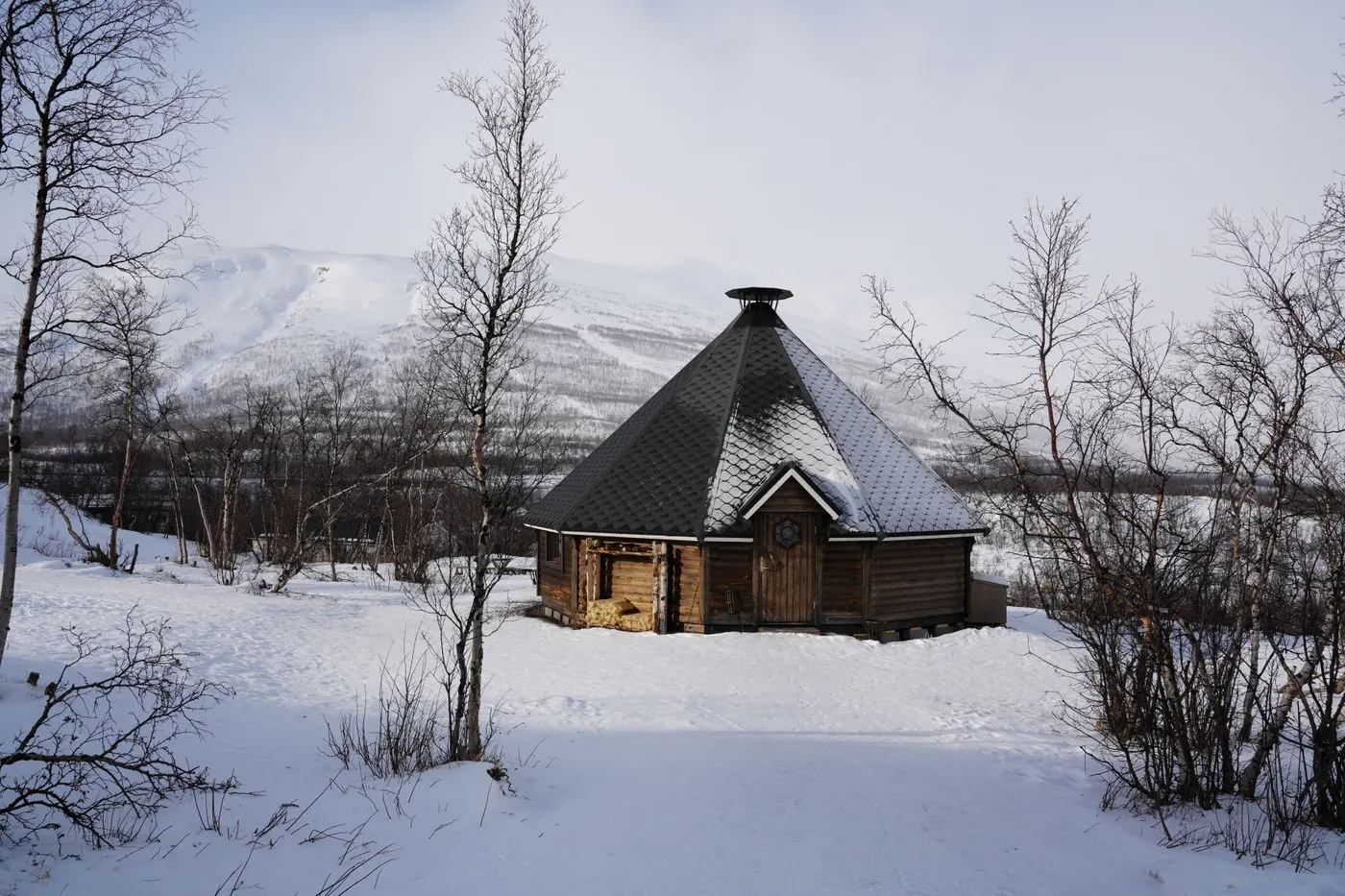
Wind strips heat from the walls faster than still air, lengthening warm-up and lowering comfort. This is why siting matters so much: a sheltered sauna with its door away from prevailing wind heats faster and holds heat better than an exposed one. If your sauna is slow, wind exposure may be part of the reason.
The two things that fix it
Below freezing, two factors dominate:
- A correctly sized heater. An outdoor sauna needs more capacity than volume alone suggests — undersizing is the top cause of a cold winter sauna.
- Good insulation. A well-insulated, sealed envelope reaches temperature far sooner and holds it.
Get those right and even −30 °C is no obstacle.
During warm-up
- Keep the door and exhaust closed while heating, to reach temperature faster.
- Use a timer or remote start on an electric heater to pre-warm the room so you’re not waiting in the cold.
- Allow extra time before your first session.
Then open the exhaust while you bathe and afterward to dry the sauna.
Manage the vents through the warm-up
How you handle the ventilation makes a real difference to how fast a sauna heats below freezing. Keep the adjustable exhaust mostly closed during warm-up so the heater isn’t fighting to warm air that’s escaping — then open it once you’re bathing for fresh air and even heat. Leaving the exhaust wide open while warming up wastes heat and lengthens an already-slow winter warm-up. The fresh-air intake stays working throughout — never block it to hold heat, as that leaves the sauna stuffy and can starve a wood fire. Starting the heater early (or scheduling it on a suitable electric model) so it’s ready when you arrive, plus good insulation and a wind-sheltered site, all shorten the wait. Manage the vents deliberately and the same heater reaches temperature noticeably faster in the cold.
Common mistakes
- Judging by the thermometer before the benches and stones are warm.
- Under-sizing the heater for cold outdoor use.
- An exposed, windy site that bleeds heat.
- Rushing — deep cold rewards patience.
Next steps
For realistic times, see how long a sauna takes to heat in winter; to heat faster, improve insulation and heater sizing. And for the coldest snaps, read operating a sauna in extreme cold.
Frequently asked questions
Can you heat a sauna below freezing?
Yes — winter is prime sauna season across Canada. It simply takes longer and needs a correctly sized heater and good insulation. Everything starts cold, so allow extra warm-up time and keep the door and exhaust closed while heating. A well-built sauna heats comfortably even at −30 °C.
Why does my sauna feel cold even when the thermometer is high?
Because the air can reach temperature before the benches and stones do. In deep cold the surfaces you touch stay cool longer, so it feels colder than the reading. Give it extra time and a generous stone mass so the whole room — not just the air — is properly warm.
Does wind affect sauna heating?
A lot. Wind strips heat from the walls, lengthening warm-up and lowering comfort. Siting the sauna in shelter and orienting the door away from prevailing wind makes a real difference below freezing. A wind-exposed sauna fights the cold every session.
How much longer does a sauna take to heat in deep cold?
Noticeably longer than in mild weather — the colder the start and the more exposed the sauna, the longer it takes. A well-insulated cabin might take 30–45 minutes; a lightly insulated barrel 45–75 or more. See our dedicated guide on winter warm-up times.
Should I heat the sauna longer in winter?
Yes, a little. Extra time ensures the benches and stones are properly warm, not just the air, which makes a big difference to comfort on a cold night. A generous stone mass helps hold that heat once you reach it.