Protecting an outdoor sauna's electrical equipment in winter is mostly about a correct installation and keeping moisture and snow out: outdoor-rated, weatherproofed wiring and controls installed by a licensed electrician, controls kept dry and clear of snow, and connections protected from water and ice. Electric heaters themselves work fine in the cold. If anything is damaged, tripping or exposed to water, stop using it and call a licensed electrician — never troubleshoot live outdoor wiring yourself.
An outdoor sauna’s electrical side is built for the outdoors — but a Canadian winter tests it with snow, ice and moisture. Protecting it isn’t complicated, and it starts with something you do once: a correct installation. After that, winter care is mostly about keeping water and snow away from where they shouldn’t be.
It starts with the installation
The best winter protection is a correct installation: outdoor- and damp-rated wiring, connections and controls, weatherproofed and detailed to shed water, installed by a licensed electrician to your local code — see electrical safety. Get this right and the equipment is designed to handle the cold and wet. Get it wrong and no amount of winter fussing will make it safe.
The cold itself isn’t the problem
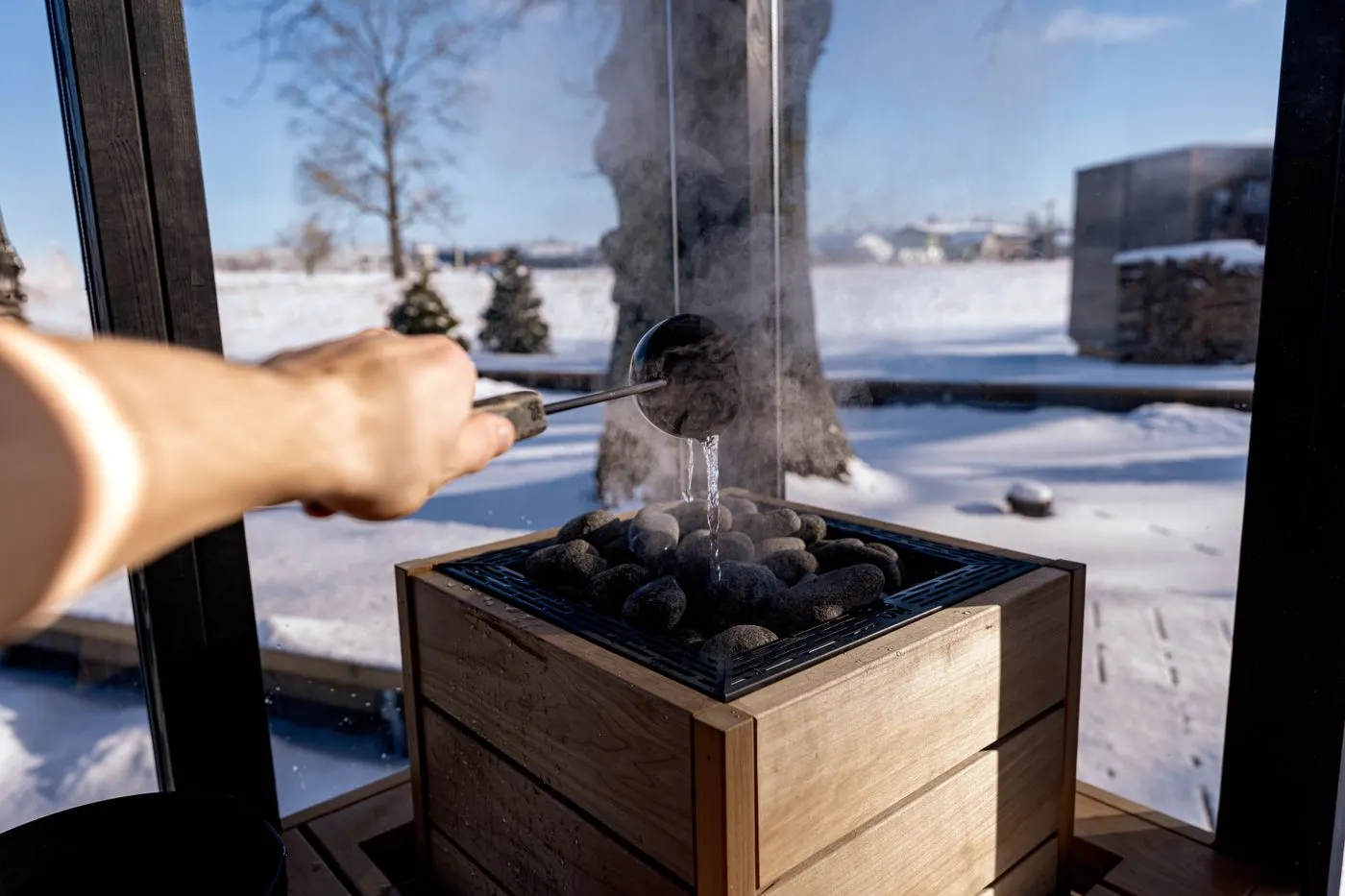
A properly installed electric heater and its wiring operate fine below freezing. The real winter threats are:
- Moisture reaching connections or controls.
- Snow and ice packing against panels and exposed parts.
- Physical damage from ice, falling snow or clearing.
So winter protection is really moisture and snow management.
Keeping controls dry and clear
Control panels and any exposed connections should be weatherproofed and sited to shed water in the first place. Through winter:
- Clear snow and ice away from control panels and connections.
- Check they stay dry and sealed, especially the protected electrical entry.
- Address water ingress promptly — don’t leave it.
Water plus electricity is the hazard; keeping the two apart is the job.
When to stop and call an electrician
Some things are not DIY, especially outdoors in winter:
- The heater or controls are tripping or failing.
- Wiring or connections are exposed to water or ice.
- Anything shows physical damage.
In these cases, stop using the sauna and call a licensed electrician. Don’t repeatedly reset a tripping breaker — a trip is a warning, not a nuisance. Troubleshooting live outdoor electrical equipment yourself is dangerous.
What to check before winter
Fold the electrical into your before-winter routine — but keep the line clear between what you can look at and what belongs to a professional. You can visually check that outdoor fittings, covers and enclosures are intact, closed and clear of snow and ice, that nothing is damaged, and that the heater and its controls work as expected. Anything beyond a visual check — testing, repairs, or concerns about the supply, wiring or connections — is work for a licensed electrician, not a DIY task, and any faults should stop use until they’re resolved. Remember, too, that in a power outage any electric freeze-protection stops working, so drain water from tanks and containers as a precaution. Building an electrical check into preparing the sauna for winter — alongside seasonal safety inspection — keeps the system safe through the season.
Common mistakes
- A non-weatherproof installation exposed to winter wet.
- Letting snow and ice pack around controls and connections.
- Ignoring water ingress or a repeatedly tripping breaker.
- DIY troubleshooting of live outdoor wiring.
Next steps
The foundation of safe winter electrics is a correct installation by a licensed electrician. Keep controls dry and clear through the season, and if anything trips, fails or gets wet, stop and call a professional. For the wider winter picture, see protecting against freeze-thaw.
Frequently asked questions
Does cold weather damage sauna electrics?
Properly installed, outdoor-rated electrical equipment is designed for the cold and works fine. The real risks are moisture, snow and ice reaching connections or controls, and physical damage. A correct installation with weatherproofed components handles winter; problems come from water ingress or poor installation, not the cold alone.
Do outdoor sauna controls need protection from snow?
Yes — keep control panels and any exposed connections dry and clear of packed snow and ice. They should be weatherproofed and sited to shed water in the first place, but clearing snow away from them and checking they stay dry is sensible winter upkeep. Water plus electricity is the hazard to avoid.
Can an electric sauna heater freeze or be damaged in winter?
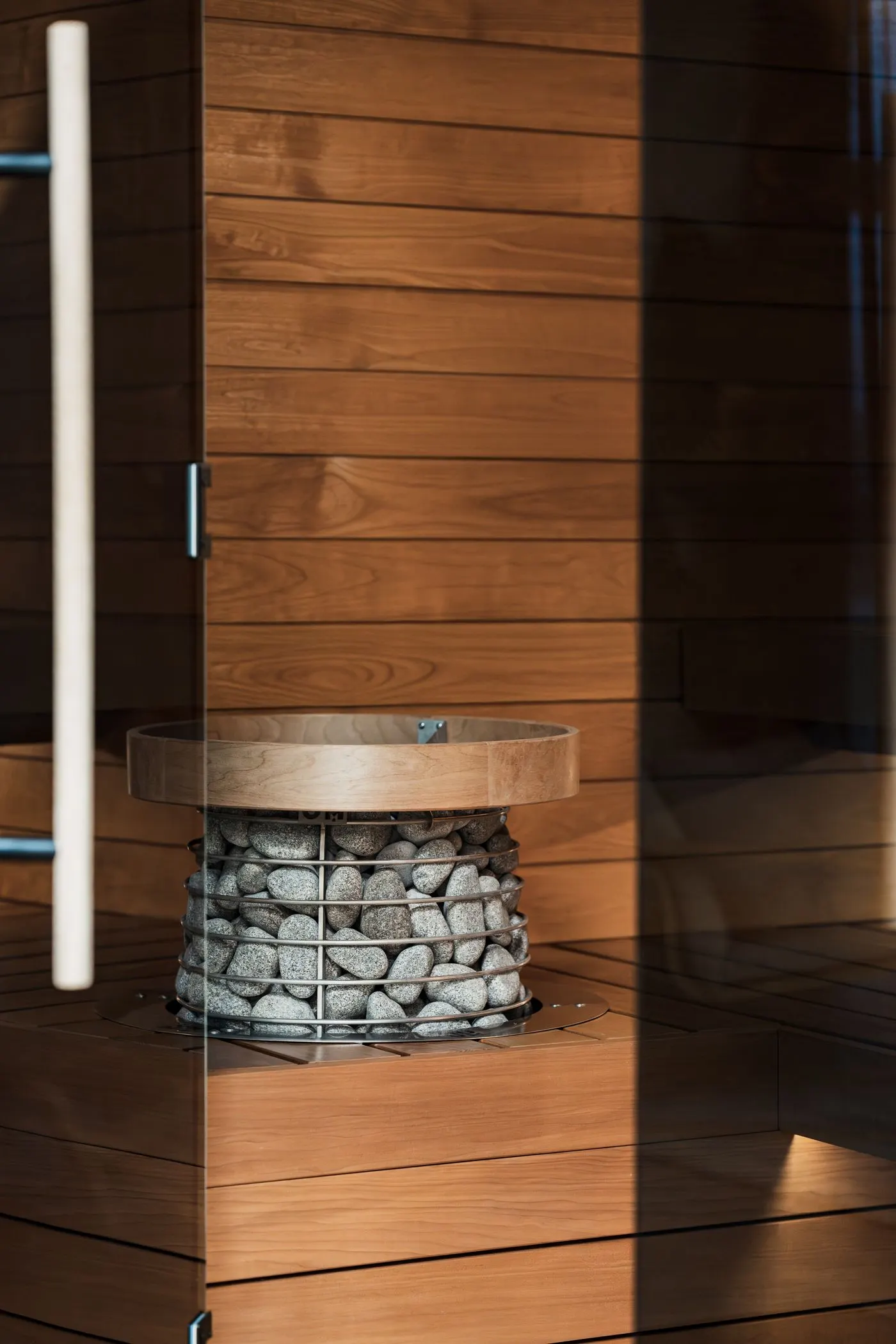
The heater itself operates in sub-zero conditions without harm. What you protect is the wiring, connections and controls from moisture and ice, and the heater from physical damage. If a heater has been flooded, iced over internally, or is tripping, stop using it and have a licensed electrician inspect it.
What if my sauna's electrics trip or fail in winter?
Stop using the sauna and call a licensed electrician. Tripping, failing or water-exposed outdoor wiring is a hazard, and troubleshooting live electrical equipment outdoors is not a DIY task. Don't keep resetting a breaker that trips — that's a warning something is wrong.
How do I keep moisture out of sauna electrics?
Start with a correct installation using outdoor- and damp-rated components and good detailing, done by a licensed electrician. Then keep snow and water off controls and connections, ensure the protected electrical entry stays sealed, and address any sign of water ingress promptly. Moisture is the main winter threat to outdoor electrics.