Remote and Wi-Fi sauna start is a genuine winter convenience, but it must be used within firm safety rules: the heater must never fire with a person, towels, clothing or any combustible against it or in its clearance zone. Manufacturers build in safeguards for exactly this reason, and the system must be installed to code by a licensed electrician. Keep the heater area clear whenever a timed or remote start could trigger, and follow the manufacturer's instructions — remote start is a convenience with conditions, not a free-for-all.
Being able to start your sauna from the house — so you walk out to a hot room instead of waiting in the cold — is one of the best modern conveniences for a Canadian winter sauna. It also introduces one new safety idea worth taking seriously: a heater that can turn itself on. With the right rules and setup, remote and Wi-Fi start is safe and wonderful. This guide covers how to use it responsibly.
The convenience
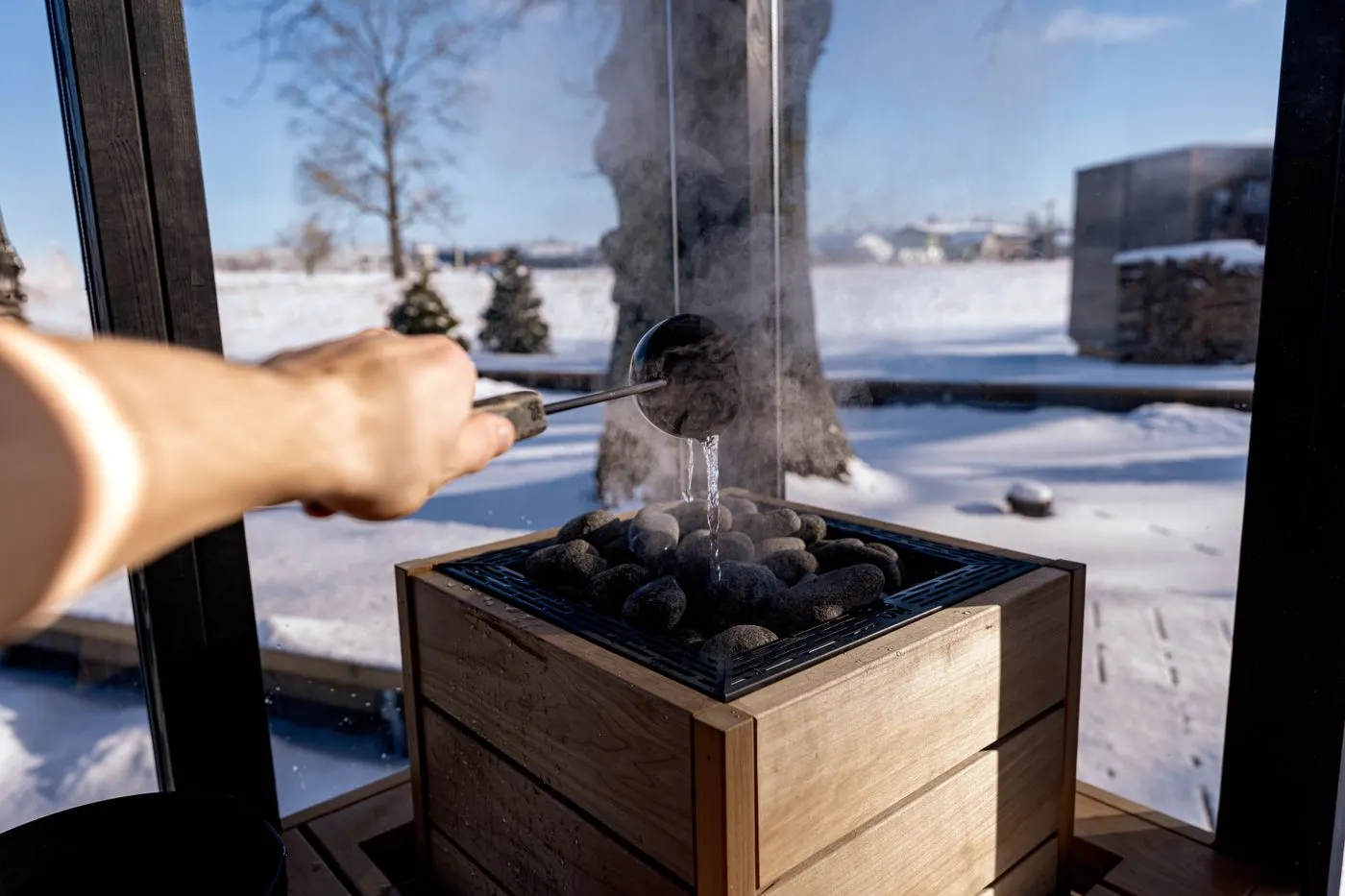
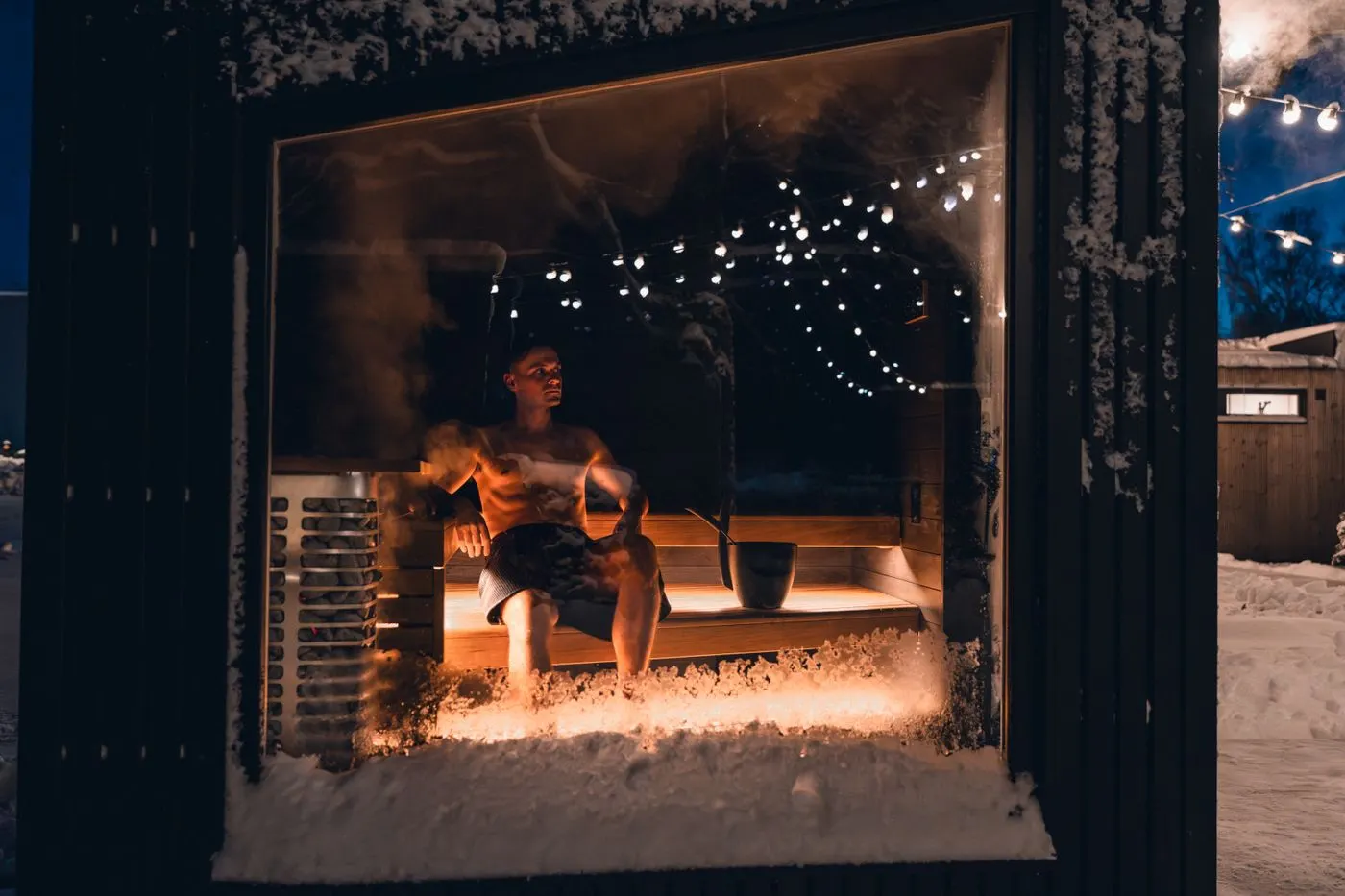
Remote and Wi-Fi start (and delayed timers) let you pre-warm the sauna before you go out to it. Given that an outdoor sauna can take 30–75 minutes to heat in deep cold, triggering it from indoors is a genuine luxury — you arrive to a ready room rather than a cold wait. There’s nothing wrong with wanting it; the point is to set it up and use it correctly.
The one rule that matters
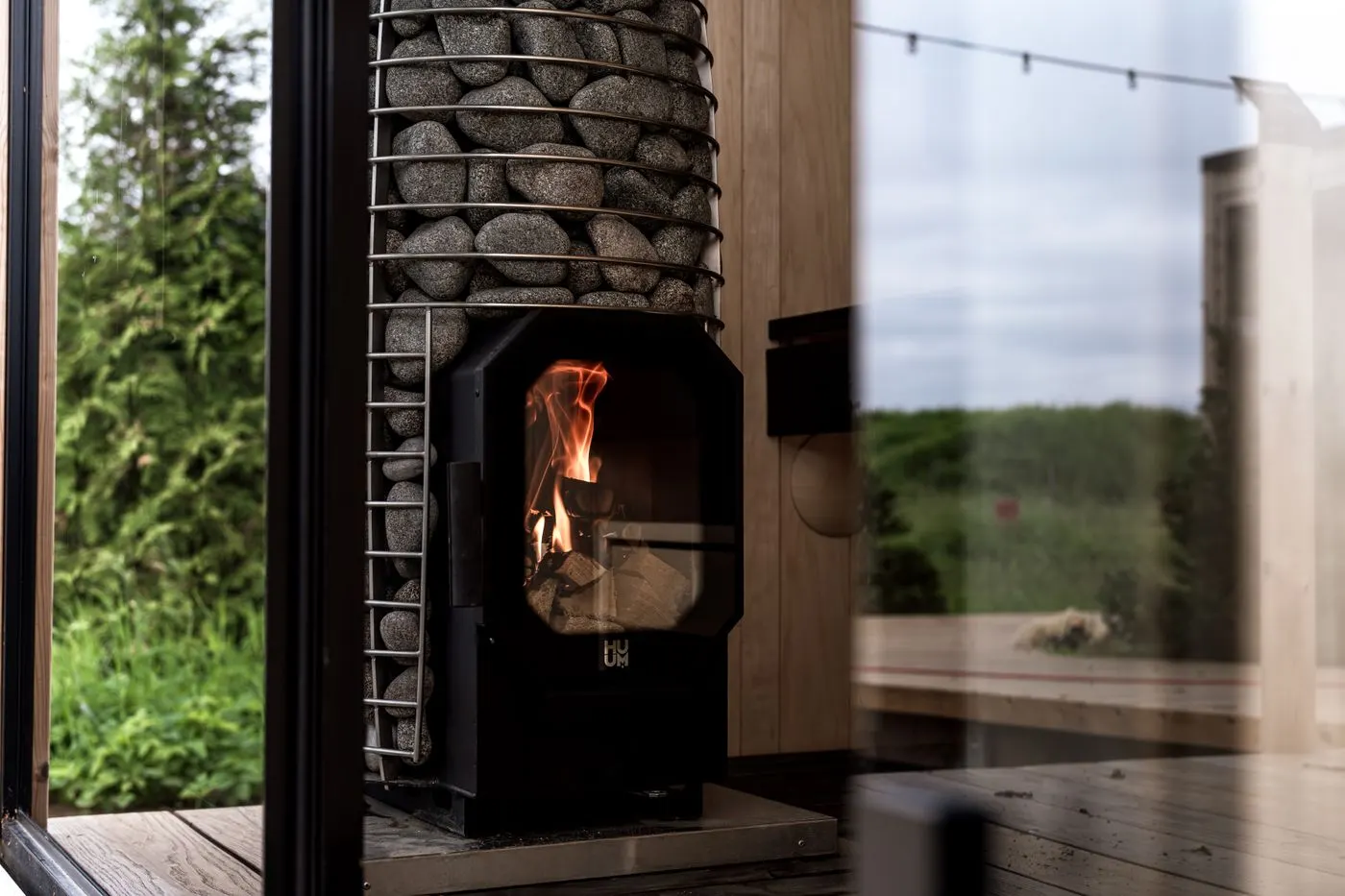
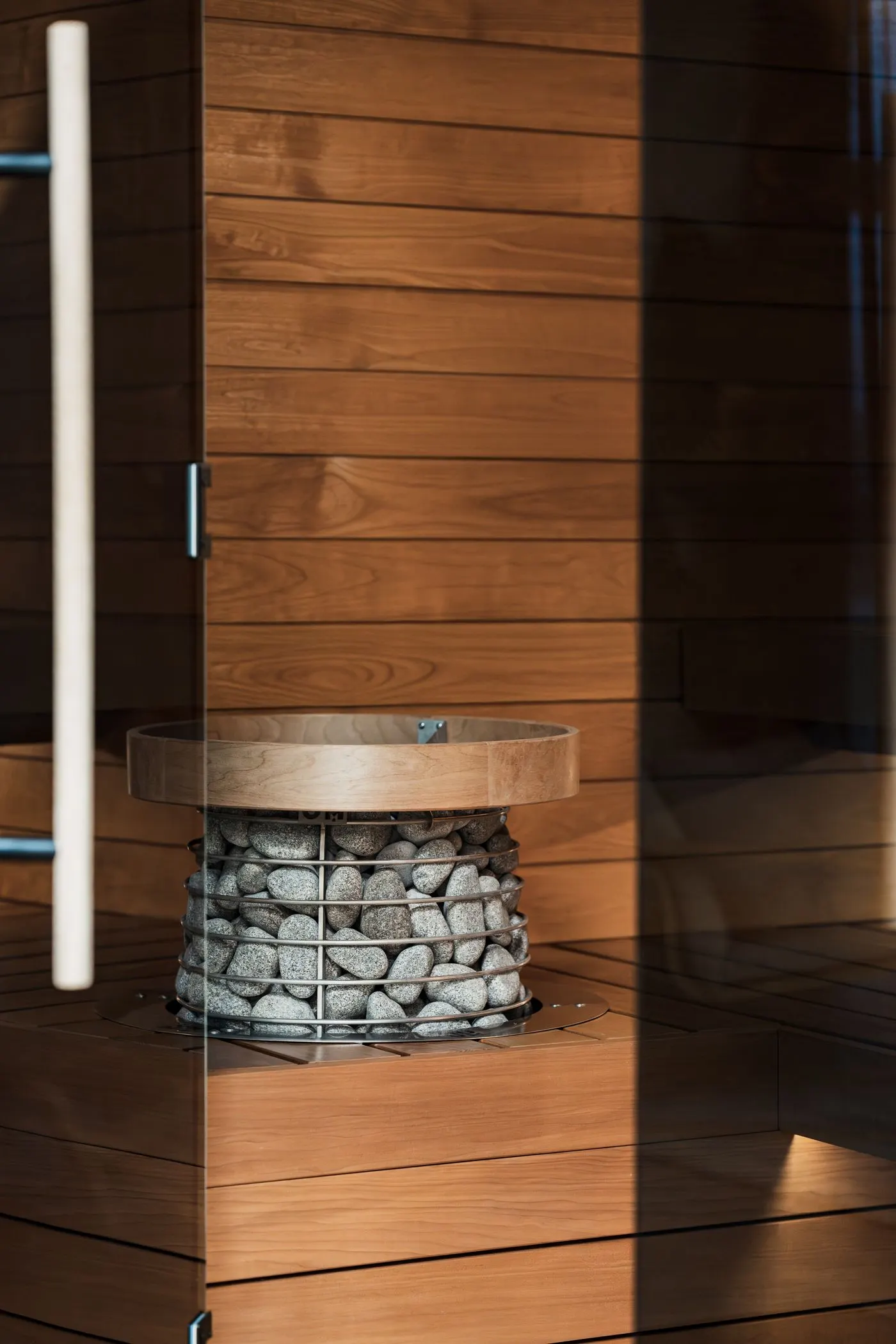
Here is the safety principle that everything else follows from: the heater must never fire with a person, or anything combustible, against it or in its clearance zone.
Because a remote or timed start can turn the heater on when no one is in the room to check, the risk is that something flammable — a towel, clothing, kindling — or a person is against or too close to the heater when it heats up. That’s a fire or burn hazard. The defence is simple and habitual: keep the heater and its clearance zone clear whenever a remote or timed start could trigger.
Clear the heater, every time
Make it an unbreakable habit: never leave towels, clothing, kindling or anything flammable on or near the heater, and never leave a person in the heater's space, if a remote or timed start could fire it. A heater that can turn on itself must always be safe to turn on.
Manufacturer safeguards
Manufacturers build safeguards into remote and timed start for exactly this reason — for example, requirements and interlocks intended to prevent an unsafe start. These are there to be used, not bypassed. Follow the manufacturer’s instructions and safety rules for remote operation, including any pre-start checks or conditions they specify. Don’t improvise remote operation outside what the system is designed for.
Install it to code
Remote and Wi-Fi controls are part of the electrical system, and must be installed to code by a licensed electrician, correctly configured. Don’t DIY-install smart controls or wire up remote operation yourself. A correct installation is what makes the safeguards actually work.
Timers and unattended running
A delayed start to pre-warm the sauna is a normal, sanctioned use. Leaving a heater running unattended for long periods is not — use timers and delayed starts only within the manufacturer’s intended limits. Never rely on a timer to make genuinely unattended operation safe; the safe pattern is a controlled pre-warm and session, then off. See heater controls.
Common mistakes
- Firing a remote start with towels or items against the heater.
- Leaving a person in the heater’s space when a timed start could trigger.
- DIY-installing smart controls instead of a licensed electrician.
- Bypassing manufacturer safeguards or ignoring pre-start rules.
- Running a heater unattended for long periods on a timer.
Next steps
Enjoy pre-warming — safely. Keep the heater and its clearances clear whenever a remote or timed start could fire, have the controls installed to code, and follow the manufacturer’s safeguards. See heater controls for how the features work, and the overall safety essentials.
Frequently asked questions
Is remote-starting a sauna safe?
Yes, when used within the rules: the heater must never fire with a person or anything combustible against it or in its clearance zone. Manufacturers build in safeguards for remote and timed start, and the system must be installed to code by a licensed electrician. Keep the heater area clear whenever a remote or timed start could trigger, and follow the manual.
Why is remote start a safety concern?
Because the heater can turn on when no one is in the room to check it's safe. If a towel, clothing, kindling or a person is against or too close to the heater when it fires, that's a fire or burn risk. This is why manufacturers require safeguards and clear rules, and why you must keep the heater area clear whenever remote or timed start is possible.
Can I leave a sauna on a timer unattended?
Use timers and delayed starts only within the manufacturer's intended limits — not to run a heater unattended for long periods. A delayed start to pre-warm the sauna before you go out is a normal, sanctioned use; leaving a heater running for hours unattended is not. Follow the manual, and never rely on a timer to make unattended operation safe.
Are Wi-Fi sauna controls safe to install?
They can be, when the control system is designed for the sauna, installed to code by a licensed electrician, and used per the manufacturer's safety rules — which typically require safeguards so the heater can't start with combustibles or a person against it. Don't DIY-install smart controls or improvise remote operation; have it done and configured correctly.
What should I check before remote-starting my sauna?
That the heater and its clearance zone are clear — no towels, clothing, kindling or people against or near the heater — and that the sauna is in a safe state to heat. Make it a habit to leave the heater area clear whenever a remote or timed start could trigger, so it's always safe to fire. Follow any pre-start checks the manufacturer specifies.
Does the convenience of pre-warming outweigh the risk?
Used correctly, yes — pre-warming an outdoor sauna in a Canadian winter is a real, safe convenience, and the risk is entirely manageable by keeping the heater area clear and following the manufacturer's safeguards. The point isn't to avoid remote start; it's to use it responsibly, treating a heater that can turn on itself with appropriate care.