A sauna uses dry heat — high air temperature and low humidity, heated by a stove and stones, with the option to raise humidity briefly by throwing water on the stones (löyly). A steam room uses wet heat — lower air temperature but near-total humidity produced by a steam generator, so the air is saturated and misty. Saunas run hotter and drier and suit outdoor cold-climate builds in wood; steam rooms run cooler and wetter and need sealed, water-resistant surfaces and a steam generator. For an outdoor Canadian setting, the traditional sauna is the far more common and practical choice.
People often lump saunas and steam rooms together as “heat rooms,” but they’re two distinct experiences built and run in fundamentally different ways. One is hot and dry; the other is warm and wet. Understanding the difference matters if you’re deciding what to build — especially outdoors in a cold climate, where the two are far from equal in practicality. This guide compares them.
The core difference: dry heat vs wet steam
| Sauna | Steam room | |
|---|---|---|
| Heat type | Dry heat | Wet steam |
| Temperature | Higher | Lower |
| Humidity | Low (brief bursts from löyly) | Near-total, constant |
| Source | Stove & hot stones | Steam generator |
| Feel | Hot, dry | Warm, enveloping, misty |
A sauna heats the air hot and dry with a stove and stones. A steam room keeps the air cooler but saturated with a steam generator. The sauna feels hotter and drier; the steam room feels enveloping and wet despite the lower temperature.
Löyly: the sauna’s steam
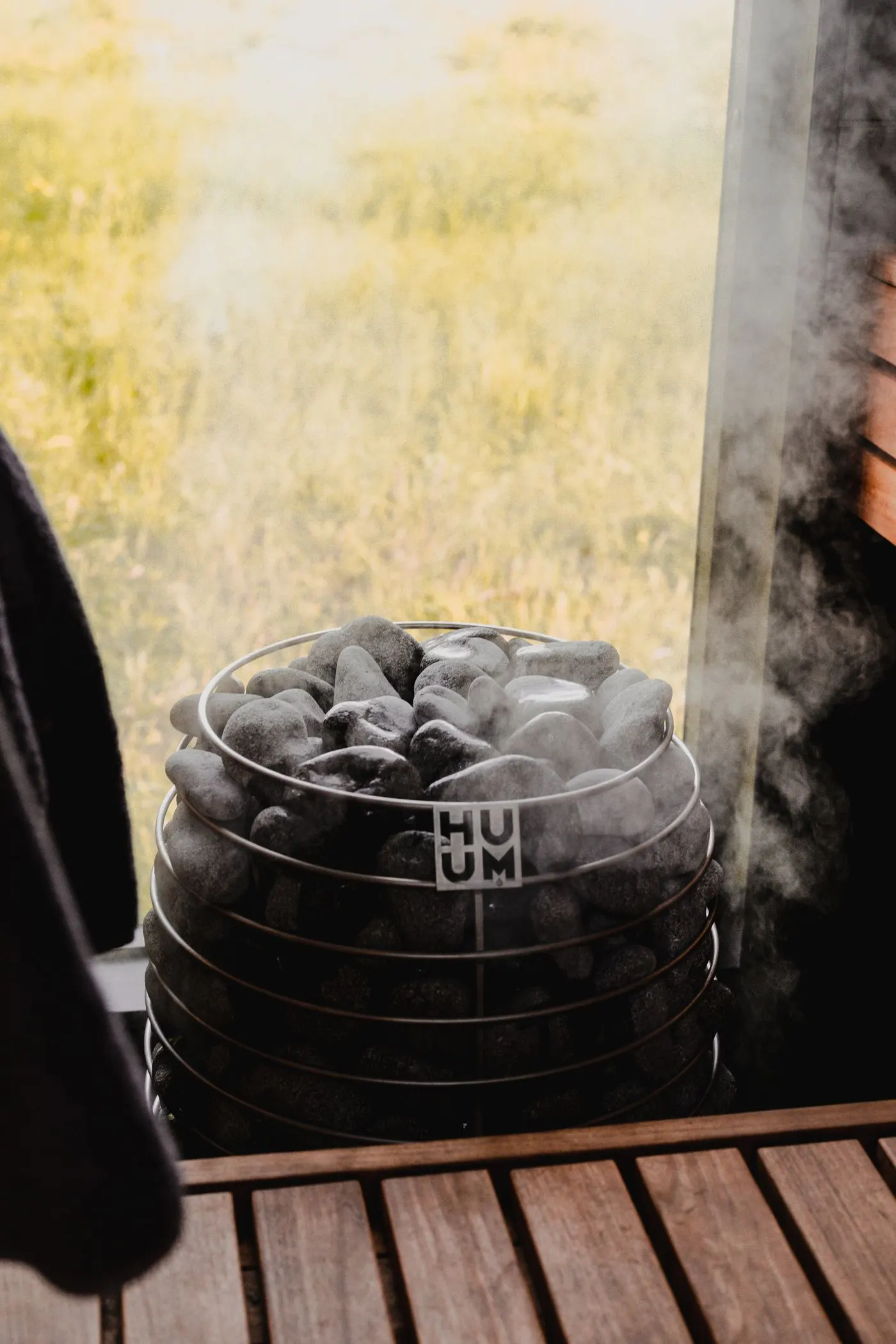
A sauna isn’t only dry — you can raise humidity briefly by throwing water on the hot stones, producing löyly: a burst of steam and heat that intensifies the session. But this is momentary, letting you vary humidity while the room stays fundamentally a dry-heat space — unlike a steam room’s constant saturation. Löyly is one of the defining pleasures of sauna bathing.
How they’re built
The builds differ as much as the experiences:
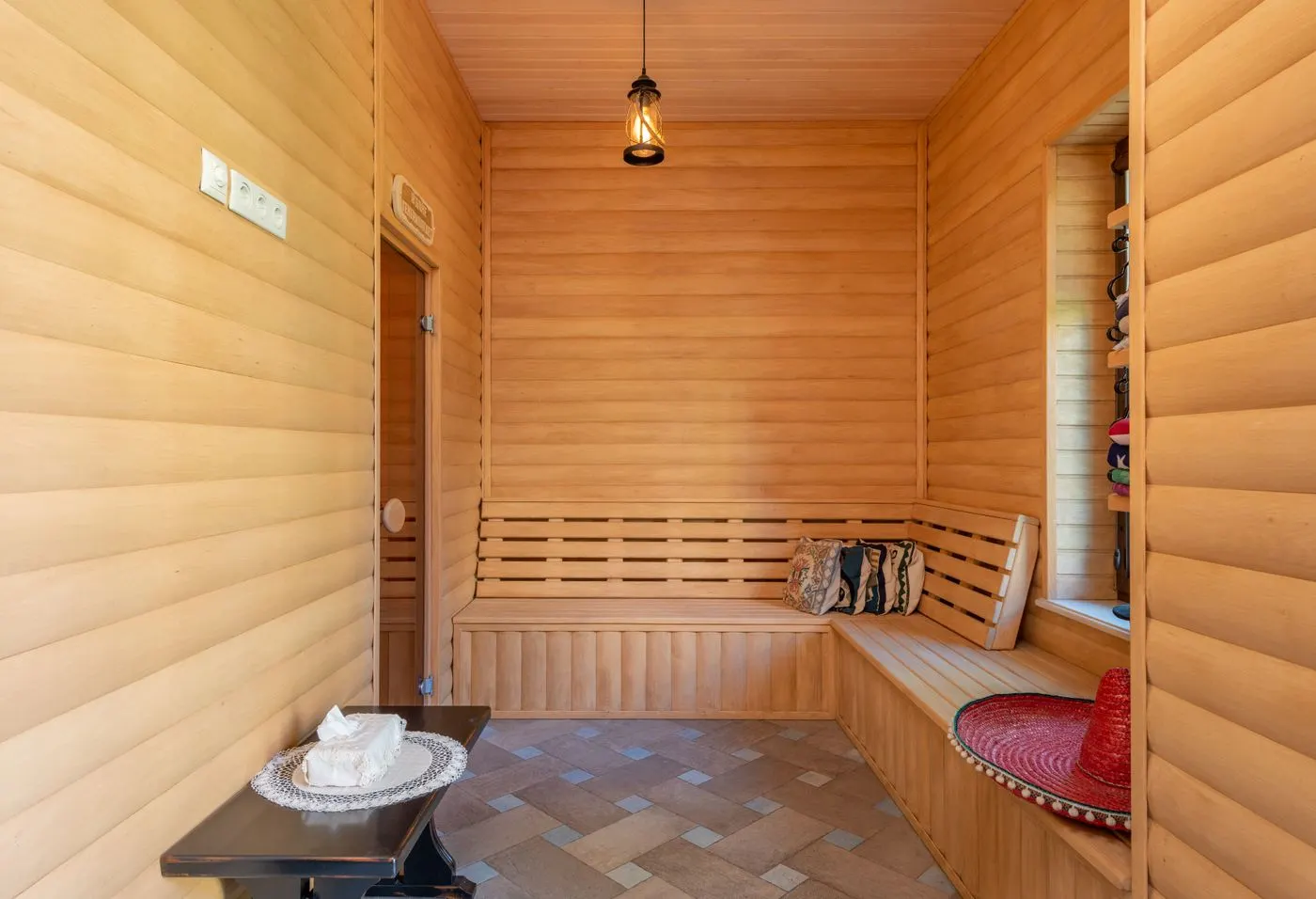
- Sauna — built in wood, for dry heat, with insulation, a vapour barrier and ventilation suited to hot, occasionally humid air.
- Steam room — needs a steam generator and fully sealed, water-resistant surfaces (tile, sealed panels) to handle constant saturation.
You can’t simply convert one to the other — it’s a different build, not a tweak.
Which suits an outdoor cold climate?
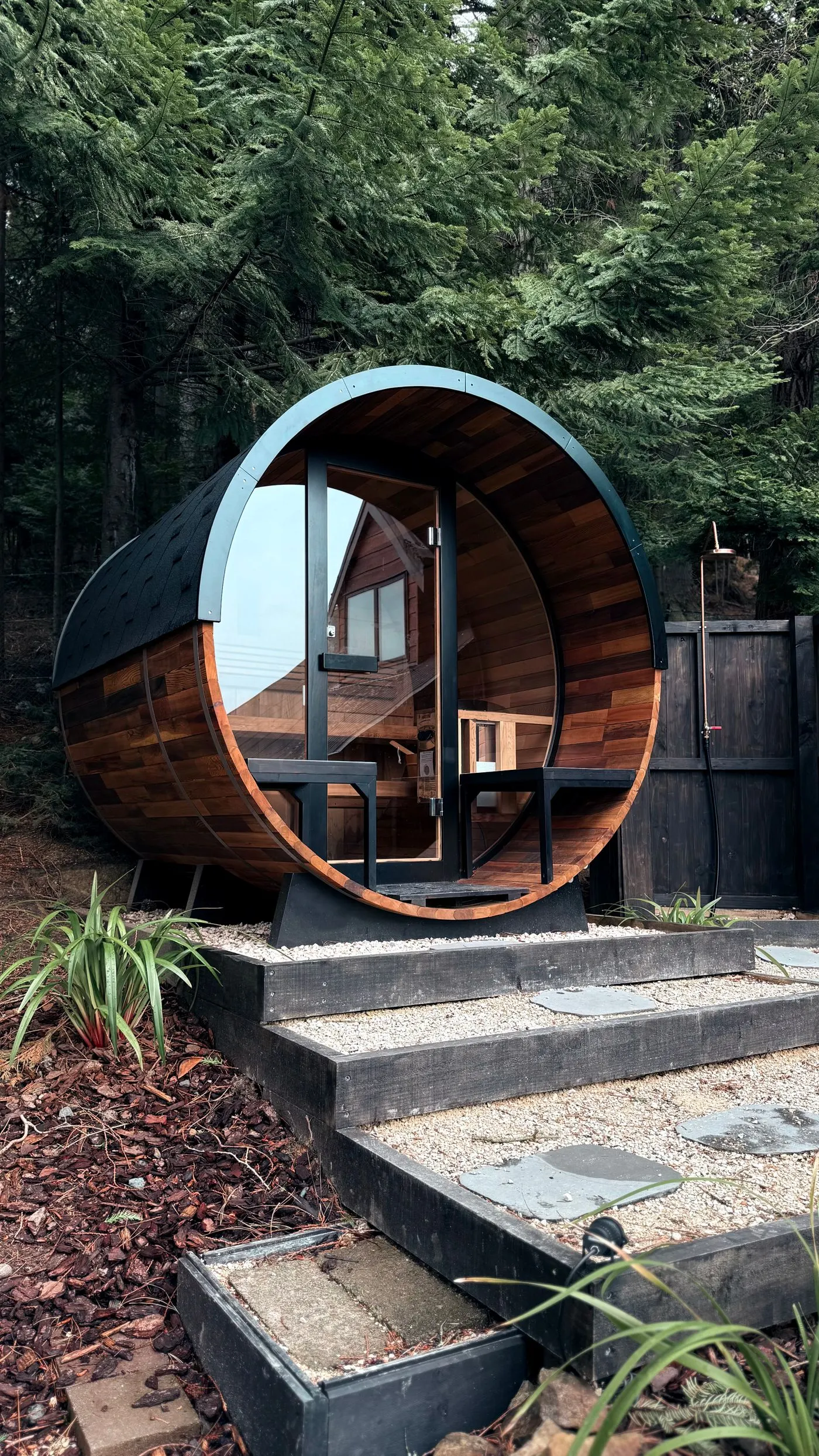
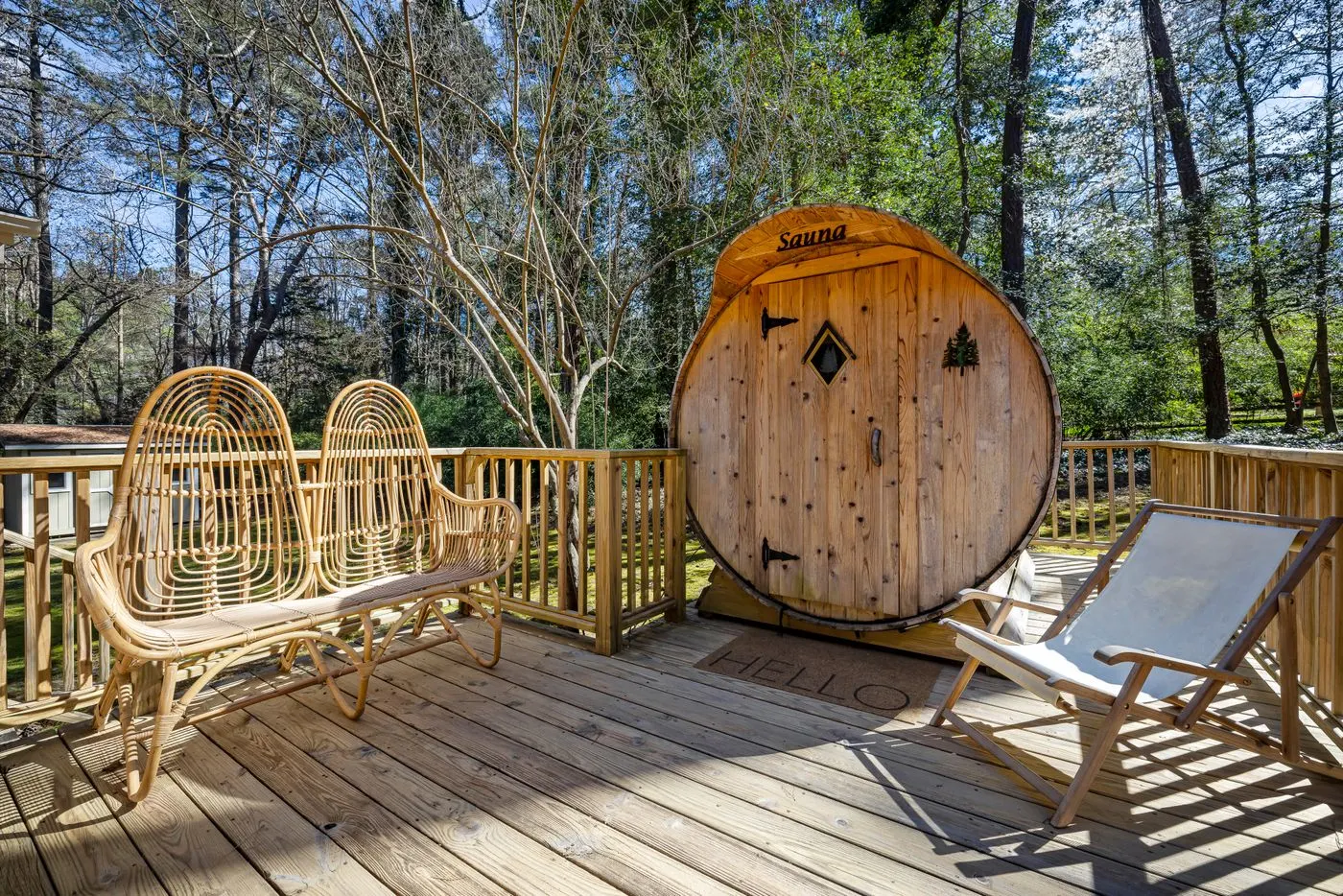
For a Canadian backyard, the traditional sauna is the natural and far more common choice:
- Built in wood, runs hot and dry.
- Suits the freezing-outside, hot-inside contrast and cold plunge.
- Practical to build and run outdoors in the cold.
A steam room needs a generator, sealed water-resistant surfaces and constant saturation — harder to build and run outdoors in the cold, and usually an indoor, tiled installation.
A note on health
Common mistakes
- Assuming they’re interchangeable — they’re different builds and experiences.
- Trying to “convert” a sauna to a steam room without the right build.
- Expecting steam-room humidity from a dry sauna (that’s what löyly is for, briefly).
- Planning a steam room outdoors in a cold climate without weighing the practicality.
Next steps
If you want dry heat, the hot-cold ritual, and a practical outdoor build in the cold, the traditional sauna is the clear choice — plan its heater, ventilation and build accordingly. A steam room is a different, wetter, usually indoor project. For a Canadian backyard, the sauna wins on practicality and tradition alike.
Frequently asked questions
What is the difference between a sauna and a steam room?
A sauna uses dry heat — high air temperature and low humidity from a stove and hot stones — while a steam room uses wet heat, a lower temperature but near-total humidity from a steam generator, so the air is saturated and misty. In short, a sauna is hot and dry (with optional bursts of steam from water on the stones), and a steam room is warm and wet. They're different experiences built and run in different ways.
Is a sauna hotter than a steam room?
Yes — a sauna runs at a higher air temperature but low humidity, while a steam room runs cooler but at near-total humidity. The sauna feels hotter and drier; the steam room feels enveloping and wet despite the lower temperature, because the saturated air carries heat differently. So the numbers and the feel differ: hotter and drier in a sauna, cooler and wetter in a steam room.
Can you make a sauna into a steam room?
Not really — they're built differently. A steam room needs a steam generator and fully sealed, water-resistant surfaces to handle constant saturation, while a sauna is built in wood for dry heat with only brief humidity from water on the stones. You can raise a sauna's humidity temporarily with löyly, but that's not the same as a steam room's continuous saturation. Converting between them means a different build, not a tweak.
Which is better for an outdoor cold climate, a sauna or a steam room?
A traditional sauna is far more common and practical for an outdoor cold-climate setting. It's built in wood, runs hot and dry, and suits the freezing-outside, hot-inside contrast. A steam room needs a steam generator, sealed water-resistant surfaces and constant saturation, which is harder to build and run outdoors in the cold. For a Canadian backyard, the sauna is the natural choice; steam rooms are usually indoor, tiled installations.
What is löyly in a sauna?
Löyly is the burst of steam and heat produced by throwing water on the hot sauna stones. It briefly raises the humidity and intensifies the heat you feel, and it's central to the traditional sauna experience. It's different from a steam room's constant saturation — löyly is momentary, letting you vary the humidity through a session while the sauna stays fundamentally a dry-heat room. It's one of the defining pleasures of sauna bathing.
Are saunas and steam rooms good for your health?
Both are enjoyed as relaxing heat experiences, but health effects depend on the individual, and this site doesn't make medical claims. Heat and humidity affect people differently, and conditions like heart problems, pregnancy or others can matter. If you have any health condition or concern, speak with a physician before using a sauna or steam room. Approach both for enjoyment and relaxation, and prioritise safe, sensible use.