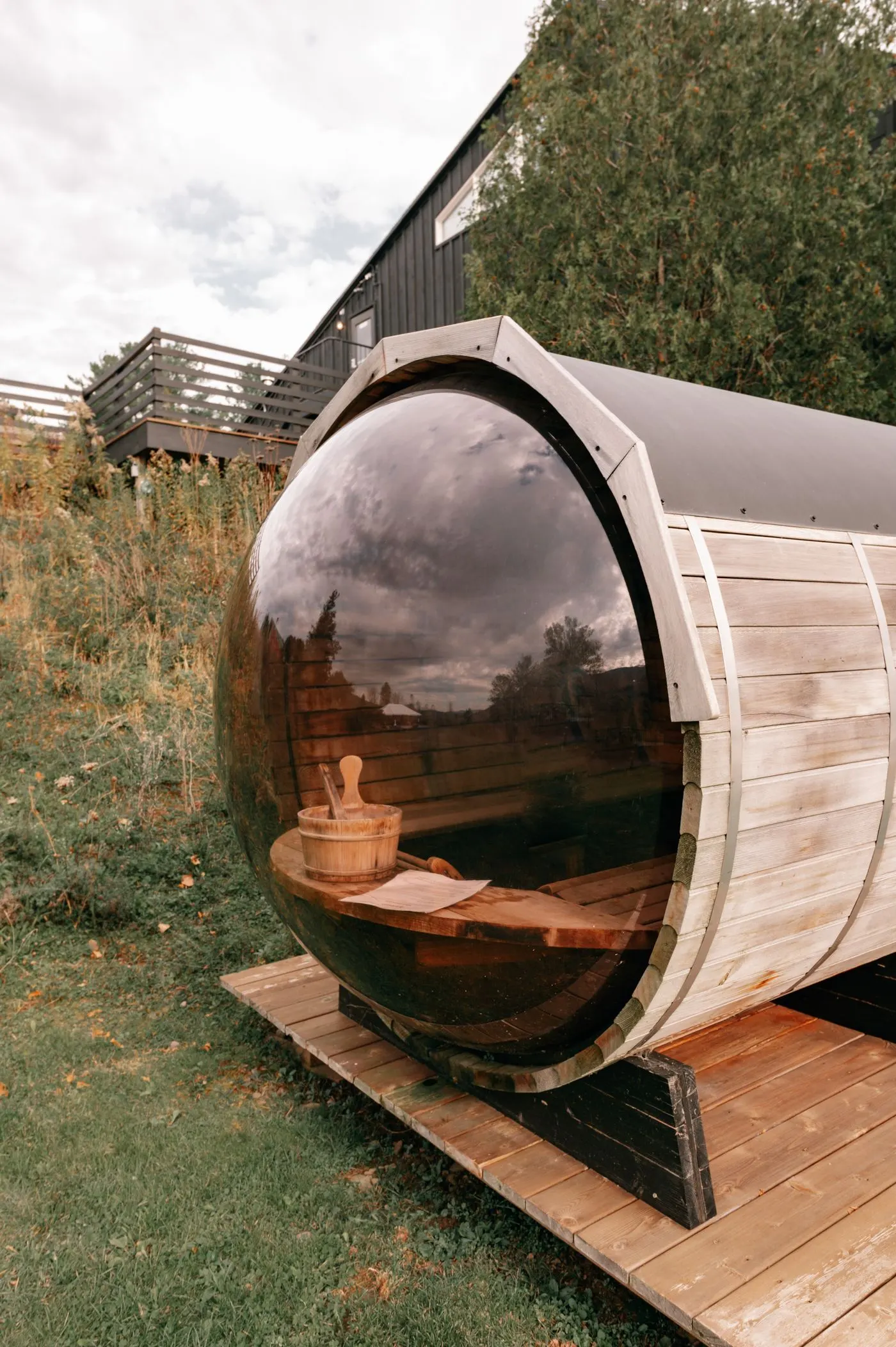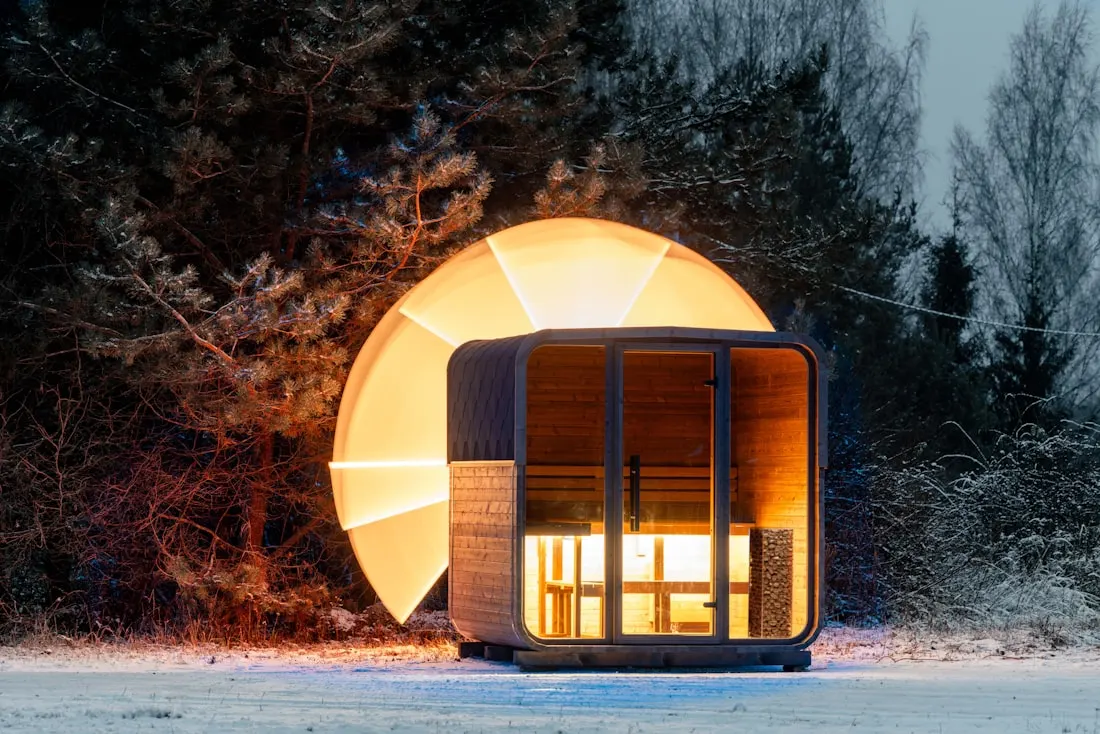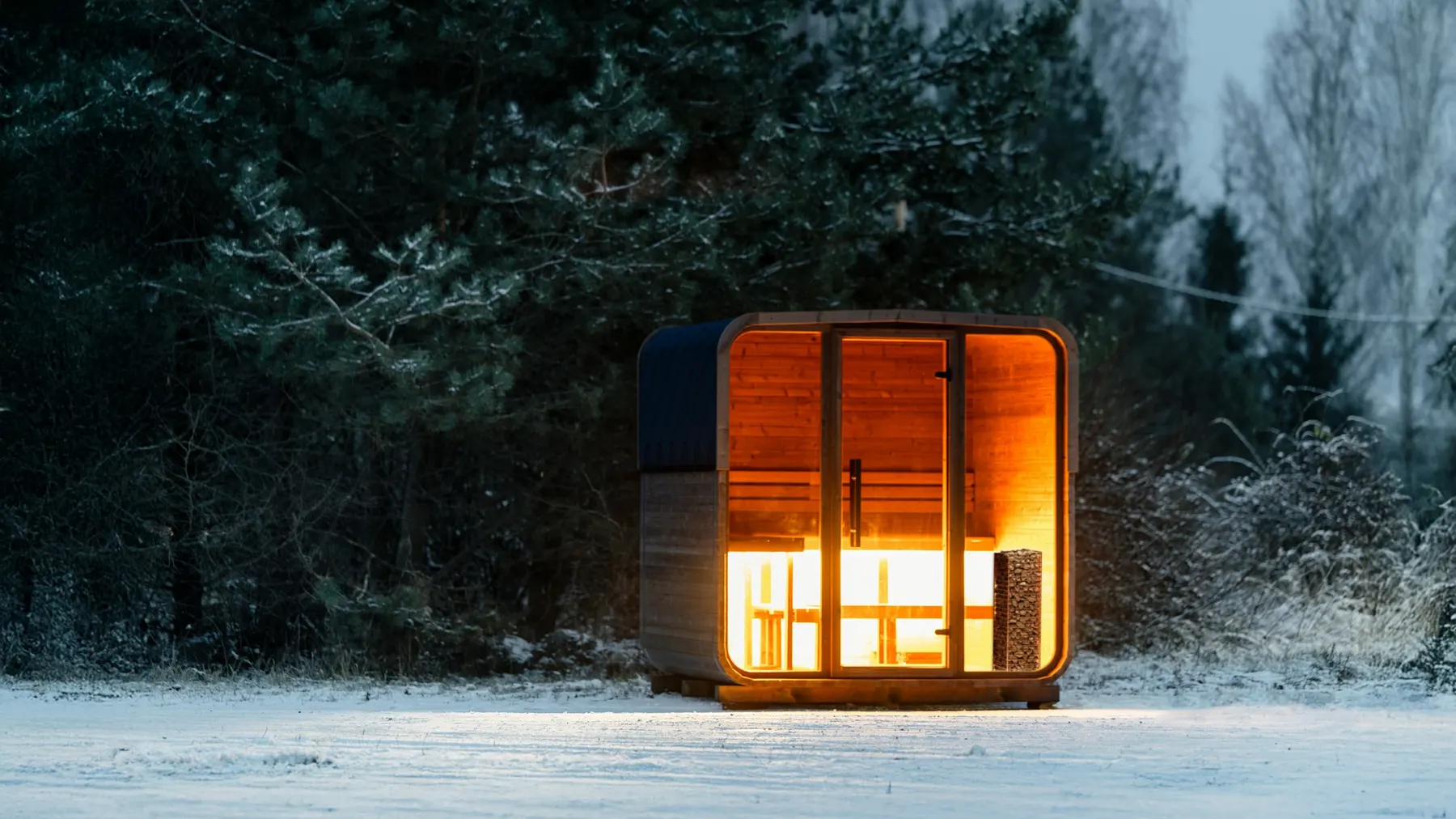
A prefab sauna arrives as a kit or finished unit — faster, more predictable, and simpler, but with set designs and a price that includes packaging. A custom build is designed and constructed to your exact site and taste, offering full design freedom and potentially lower material cost if you do the work, but it takes more time, skill and project management. Choose prefab for speed, predictability and convenience; choose custom for a build tailored to a specific site, size or look. Both still need a proper foundation, electrical and ventilation done right.
Once you’ve decided to build an outdoor sauna, the next fork in the road is prefab or custom. A prefab kit arrives ready to assemble — fast, predictable, convenient. A custom build is made to your exact site and taste — flexible, personal, but a real project. Neither is universally better; it depends on what you value. This guide compares them honestly so you can choose with open eyes.
Prefab: fast, predictable, convenient
A prefab sauna comes as a kit or finished unit from a manufacturer:
- Faster — up quickly once the site is ready, sometimes in days.
- Predictable — a known price and design.
- Simpler — less skill and project management needed.
The trade-offs: you choose from set designs, and the price includes design and packaging. Quality varies by maker, so read the specification — wood, insulation, heater, cold-climate build — carefully.
Custom: freedom and site fit
A custom build is designed and constructed to your exact site, size and taste:
- Full design freedom — shape, size, windows, materials.
- Site-tailored — built for your specific ground and layout.
- Potentially lower material cost if you do the work.
The trade-offs: it takes more time, skill and project management, and doing it well means understanding insulation, the vapour barrier, ventilation and safe heater clearances.
Side by side
| Factor | Prefab | Custom |
|---|---|---|
| Speed | Fast | Slower |
| Cost | Known; includes design/packaging | Varies; lower materials if DIY |
| Design freedom | Set designs | Full |
| Skill needed | Less | More |
| Predictability | High | Depends on you |
Both still need the site work
A crucial point people miss: prefab saves you the structure, not the site work. Either way you still need:
- A foundation suited to your ground.
- An electrical supply for an electric heater, by a licensed electrician.
- Correct ventilation and drainage.
Budget the foundation, electrical, delivery and site prep on top of the kit price — see project budget.
How to decide
- Choose prefab if you value speed, predictability and convenience, or aren’t confident with construction.
- Choose custom if you want a build tailored to a specific site, size or look, and have the skill, time and appetite for a project.
Be honest about your skills and time — a custom build is rewarding but substantial, and the electrical must be done or certified by a licensed electrician regardless.
Common mistakes
- Assuming prefab is always cheaper — compare total project cost.
- Underestimating a custom build’s skill and time.
- Forgetting the site work applies to prefab too.
- Judging prefab quality by the label instead of the specification.
- Choosing on headline price rather than total cost and fit.
Next steps
Weigh speed and convenience against freedom and site fit, and compare total project cost — not headline price. Whichever you choose, plan the foundation, electrical and ventilation properly, size it to your real use, and build your project budget around the full picture.
Frequently asked questions
Is a prefab or custom sauna better?
Neither is universally better — it depends on your priorities. Prefab is faster, more predictable and simpler, with set designs and a price that includes packaging. Custom offers full design freedom and can cost less in materials if you do the work, but takes more time, skill and project management. Choose prefab for convenience and speed; custom for a build tailored to your exact site, size and taste.
Is a prefab sauna cheaper than custom?
Not always. A prefab kit has a known price and can be cost-effective, especially at smaller sizes, but you pay for the design and packaging. A custom build can cost less in materials if you do much of the work yourself, or more if you hire it out with premium materials. Compare total project cost — foundation, electrical, labour and all — not just the headline price of the sauna.
Are prefab saunas good quality?
They can be — quality varies by manufacturer, materials and design, just as custom quality varies by builder. A well-made prefab from a reputable maker can be excellent and save considerable effort; a poor one cuts corners. Look at the wood, insulation, heater and how it's built for a cold climate rather than assuming prefab means either high or low quality. Read the specification carefully.
Can I build a custom sauna myself?
Many people build custom saunas themselves, but it takes real carpentry skill, an understanding of sauna-specific construction — insulation, vapour barrier, ventilation, safe heater clearances — and project management. It's rewarding and can save on labour, but it's a substantial project, and the electrical must be done or certified by a licensed electrician to code. Be honest about your skills and time before committing to a custom build.
Does a prefab sauna still need a foundation and electrical?
Yes. A prefab still needs a proper foundation suited to your ground, an electrical supply for an electric heater (installed by a licensed electrician to code), and correct ventilation — the kit doesn't remove those requirements. Prefab saves you the structure build, not the site work around it. Budget the foundation, electrical, delivery and site prep on top of the kit price.
How long does a custom sauna take versus prefab?
A prefab is much faster — it arrives as a kit or finished unit and goes up quickly once the site and foundation are ready, sometimes in days. A custom build takes longer, from design through construction, often weeks depending on scope, skill and whether you hire it out. If speed and predictability matter most, prefab wins; if the design and site fit matter more, custom is worth the extra time.