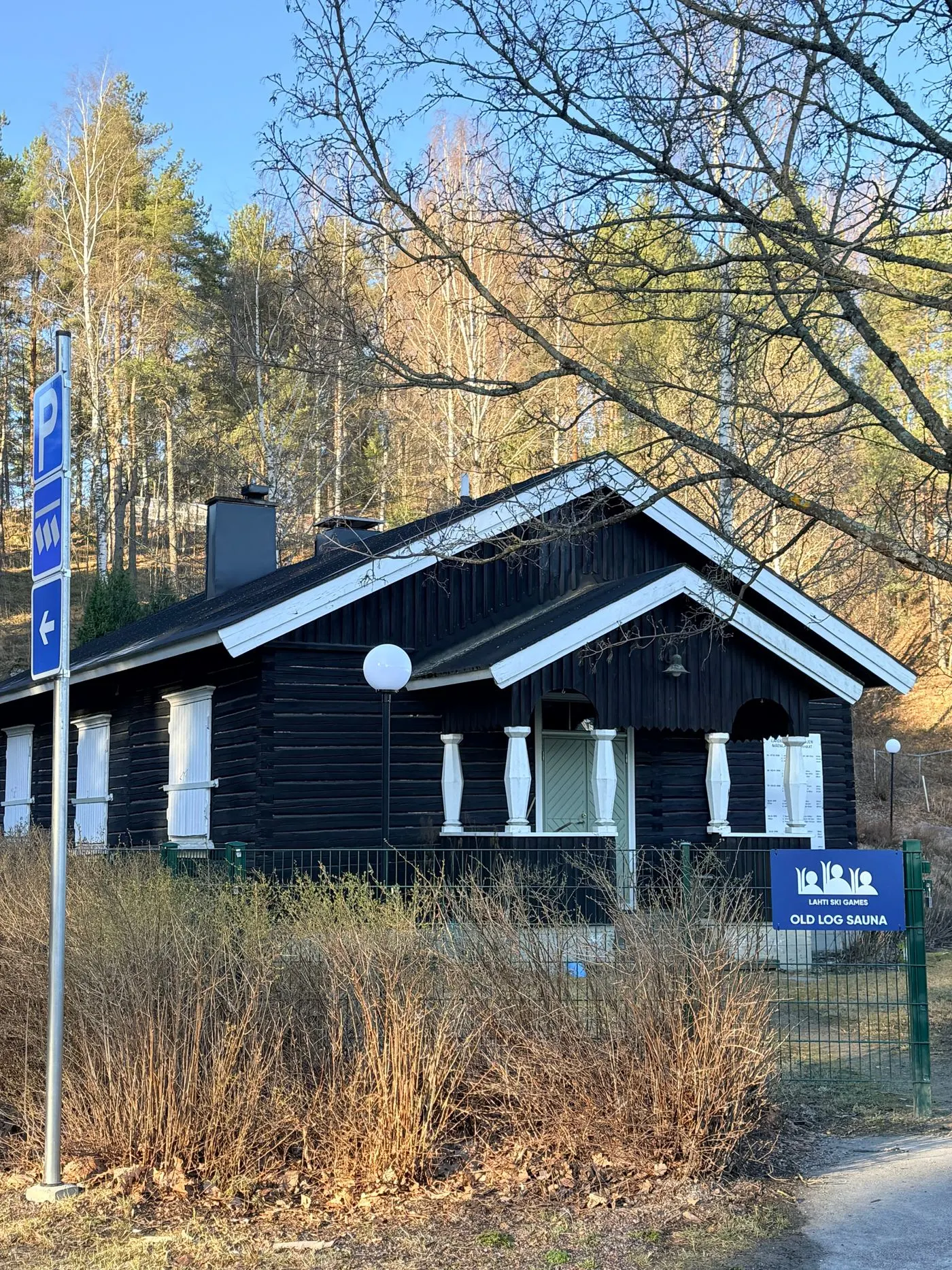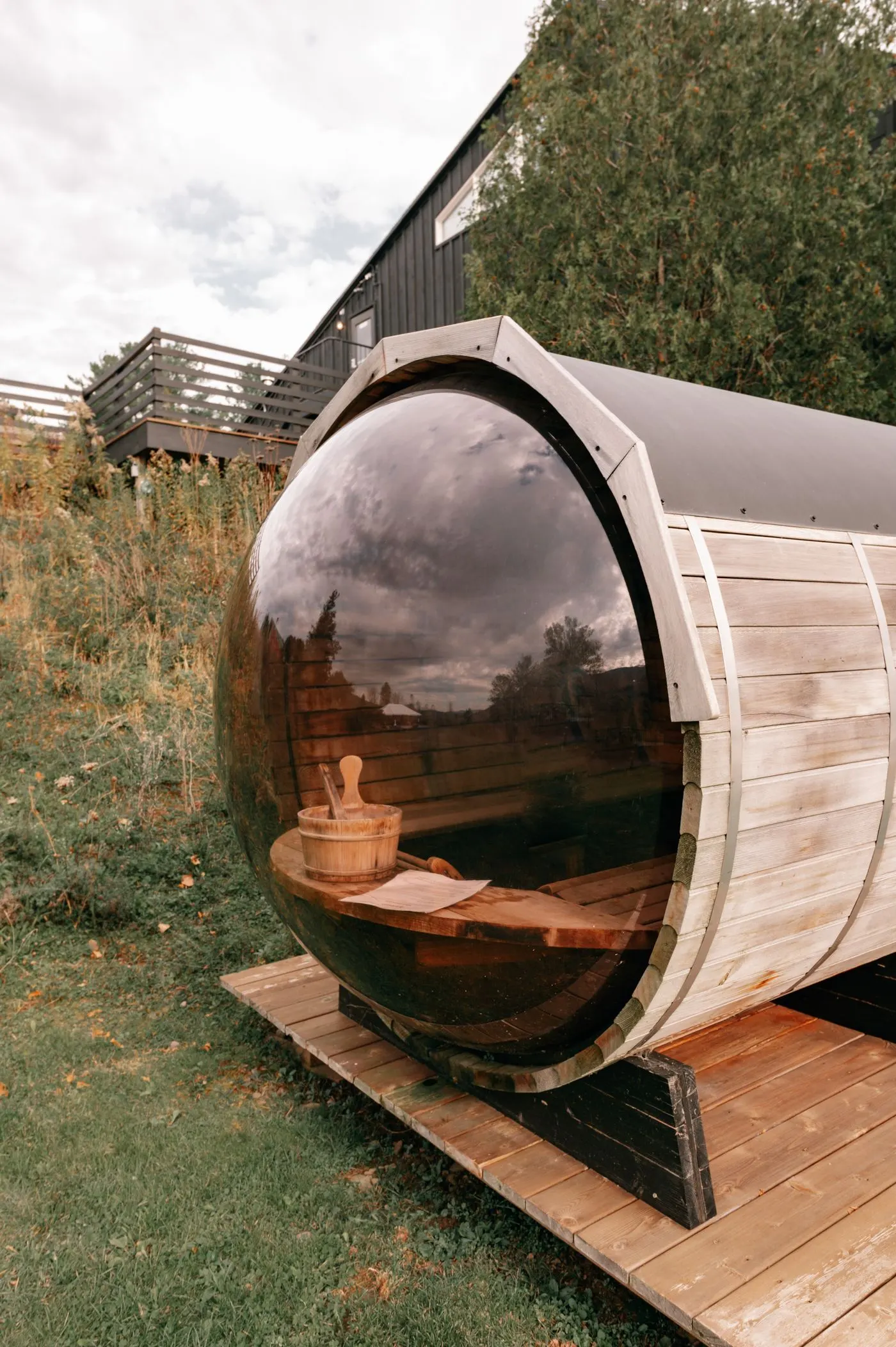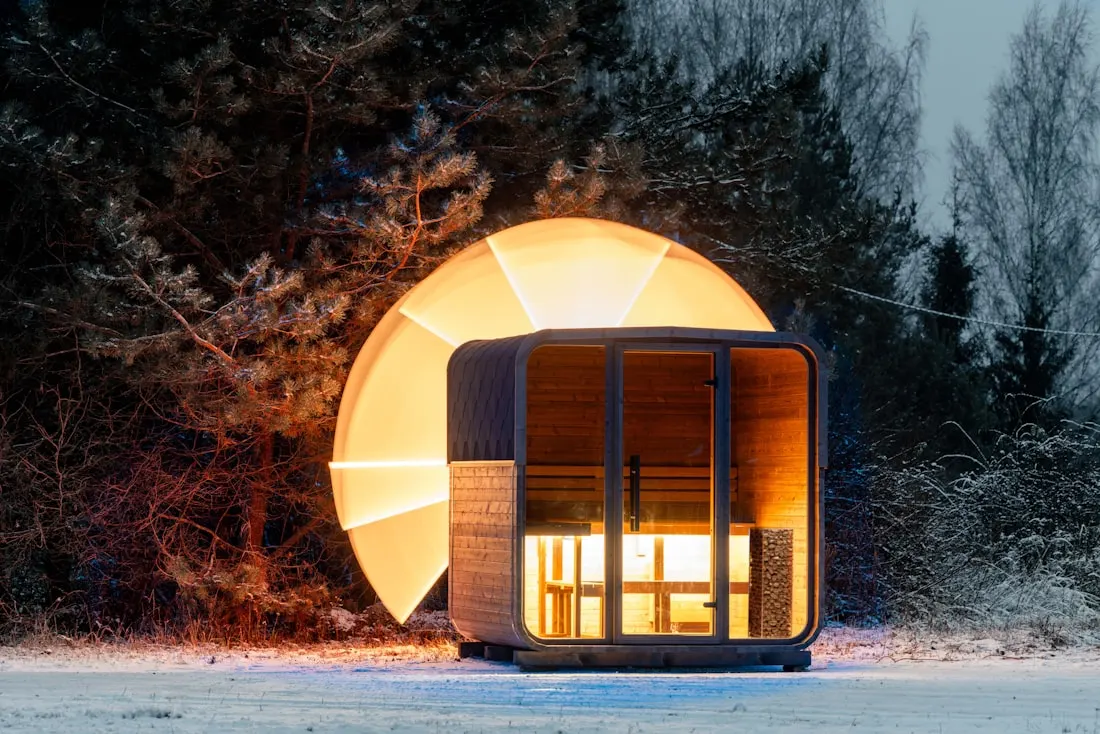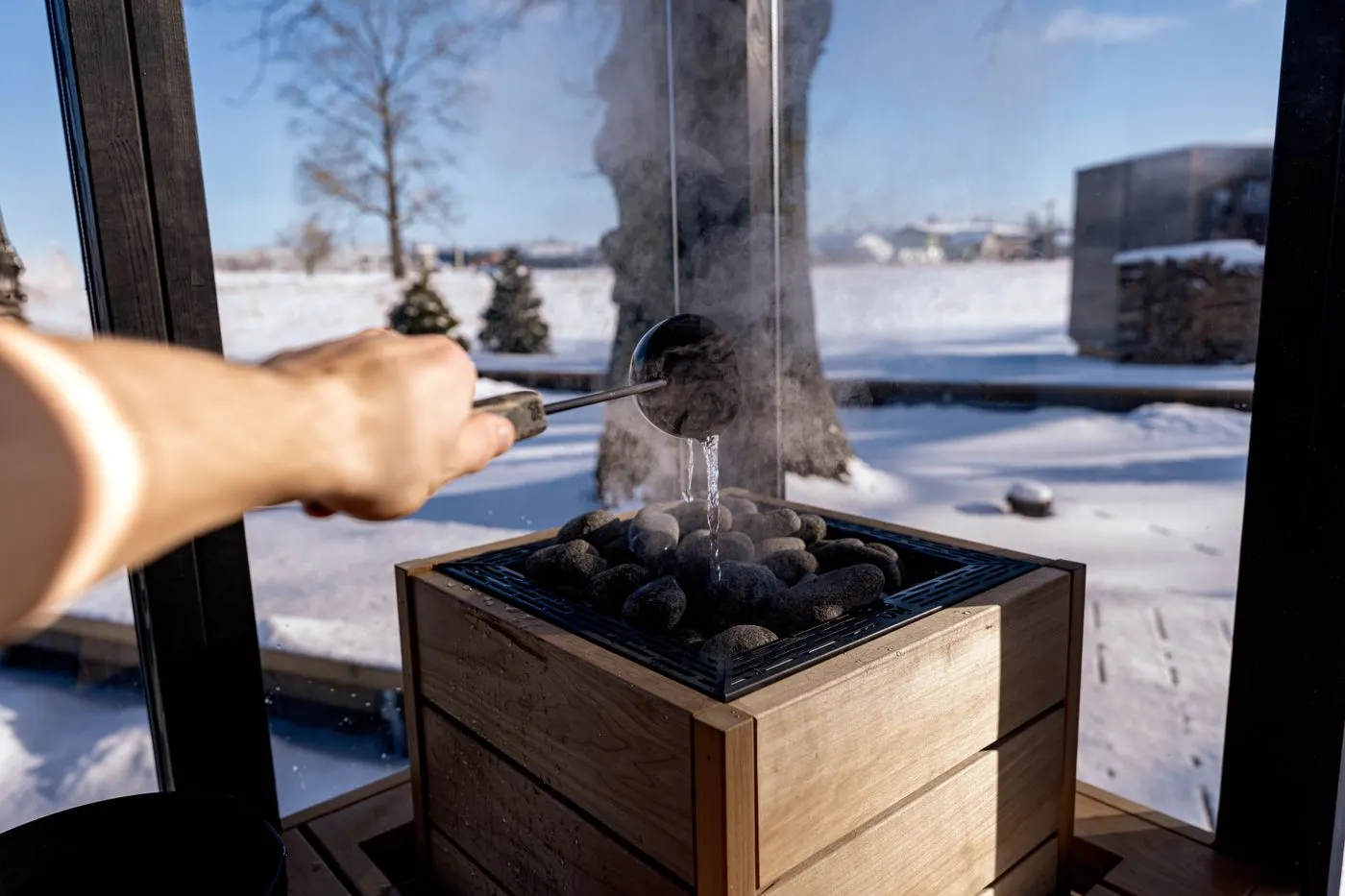
A cold plunge is the cold-water immersion that pairs with the sauna's heat — options range from a natural lake or river, to a plunge tub or cold barrel, to simply rolling in the snow. Plan it close to the sauna so the hot-cold transition is quick and pleasant, on well-drained ground, with safe, non-slip footing between the two. In a cold climate, consider how the water is kept usable (and safe from freezing) and never plunge alone or beyond your comfort. Plan the cold side alongside the sauna, since siting and access shape the whole ritual.
The sauna is only half the ritual. The other half is the cold — the plunge, the lake, the snow — that follows the heat, and for many people the hot-cold contrast is the whole point. If cold immersion matters to you, it’s worth planning the cold side alongside the sauna, because siting and access shape how easy and pleasant the transition is. This guide covers planning a cold plunge for a cold-climate sauna.
The cold-plunge options
The “cold” can take several forms:
| Option | Character | Notes |
|---|---|---|
| Lake or river | Natural, wonderful | Tied to your site; safe seasonal access |
| Plunge tub / cold barrel | Controlled, works anywhere | Needs winter water management |
| Rolling in snow | Simplest of all | Free; winter only |
A lakeside sauna pairs beautifully with a natural plunge; a tub or barrel gives control anywhere. Choose on site, climate, budget and feel.
Site it close to the sauna
Wherever the cold comes from, site it close to the sauna so the hot-cold transition is quick and pleasant — not a long, cold walk. Plan for:
- A short path between sauna door and plunge.
- Well-drained ground.
- Safe, non-slip footing between the two, ideally lit in winter.
Plan the plunge’s location together with the sauna’s, since the short path between them shapes the whole ritual.
Winter and freezing
In a cold climate, the contrast is at its most striking — and winter use needs planning:
- Non-slip, lit footing between sauna and plunge on icy nights.
- A way to keep tub or barrel water usable and manage freezing — through use patterns, insulation, or heating/circulation depending on the setup, per the product’s guidance.
- Extra care with a lake used in winter, around ice and cold water.
Plan winter water management up front if you want year-round cold plunging — see preventing water freezing.
Safety
You don’t have to have one
A sauna is complete on its own — cooling down can be as simple as fresh air, a cool shower or rest. But if the cold side appeals, planning for it can be as minimal as leaving space and access for a future tub, or just rolling in the snow. Decide whether the cold matters to you, and plan siting and access accordingly.
Common mistakes
- A long cold walk between sauna and plunge.
- Slippery, unlit footing on winter nights.
- No plan for freezing water in a tub or barrel.
- Plunging alone or beyond your comfort.
- Ignoring the cold side entirely if it’s part of the ritual you want.
Next steps
If the hot-cold ritual appeals, plan the cold plunge with the sauna: choose your option, site it close with safe, lit, non-slip footing, plan for winter freezing, and always plunge safely. See the sauna-with-cold-plunge type and keep the transition short and pleasant.
Frequently asked questions
What are the options for a sauna cold plunge?
A natural lake or river if you have access; a purpose-made plunge tub or cold barrel; or simply rolling in the snow in winter. Each pairs the sauna's heat with cold immersion. A lake is wonderful but tied to your site and to safe seasonal access; a tub or barrel works anywhere and gives control; snow is the simplest of all. Choose based on your site, climate, budget and how you want the ritual to feel.
Where should a cold plunge go relative to the sauna?
Close to the sauna, so the hot-cold transition is quick and pleasant rather than a long cold walk, on well-drained ground with safe, non-slip footing between the two. Siting the plunge near the sauna door — with clear, grippy, ideally lit footing in winter — makes the ritual easy and safe. Plan the plunge's location together with the sauna's, since the short path between them shapes the whole experience.
Can you use a cold plunge in winter?
Yes — the hot-cold contrast is at its most striking in winter, and cold plunging in the cold season is central to the tradition. But it needs planning: safe, non-slip and ideally lit footing between sauna and plunge, a way to keep tub or barrel water usable and manage freezing, and sensible safety. A lake used in winter carries extra risks around ice and cold water. Plan winter use deliberately rather than improvising.
Is a cold plunge safe?
Cold-water immersion is a strong stimulus, so plan for safety: don't plunge alone, ease in rather than shocking yourself, keep immersions short and within your comfort, and take particular care combining heat, cold and any health condition. Non-slip footing and safe entry and exit matter, especially in winter. This is general information, not medical or safety advice — if you have any health concern, speak with a physician before cold plunging.
Do I need a cold plunge for a sauna?
No — a sauna is complete on its own, and cooling down can be as simple as fresh air, a cool shower or rest. But many people love the hot-cold contrast a cold plunge adds, and planning for it can be as minimal as leaving space and access for a future tub, or rolling in the snow. Decide whether the cold side matters to you, and plan the siting and access accordingly if it does.
How do you keep a plunge tub from freezing in winter?
It's a real consideration in a cold climate — plunge tubs and barrels used in winter need a way to keep the water usable and manage freezing, whether through use patterns, insulation, or heating or circulation systems depending on the setup. The right approach depends on the specific tub and product, so follow its manufacturer guidance. Plan for winter water management up front if you want year-round cold plunging in the cold.