Wood and gas sauna heaters both burn fuel, so both need a flue to vent exhaust gases safely, combustion air, carbon-monoxide safety and professional-standard installation. The differences are in the experience and convenience: a wood heater gives the traditional fire, the ritual of tending it, and independence from utilities, but takes time to light and tend and needs firewood; a gas heater burns natural gas or propane for more convenient, controllable heat without tending a fire, but depends on a gas supply and lacks the wood fire's atmosphere. For grid- and utility-independent tradition, wood wins; for fuel-burning convenience where gas is available, gas appeals. Both must be installed and used with full flue and carbon-monoxide safety.
Most heater comparisons pit wood against electric — but if you’ve decided you want a fuel-burning heater and its traditional character, the real question may be wood vs gas. They have a lot in common: both burn fuel and need a flue, combustion air and carbon-monoxide safety. Where they differ is the experience and convenience. This guide compares wood and gas sauna heaters for a cold climate.
What they share
Because both burn fuel, wood and gas heaters share the same fundamental requirements:
- A flue to vent exhaust gases safely.
- Combustion air.
- Carbon-monoxide safety.
- Professional-standard installation to code.
Where they differ
| Wood heater | Gas heater | |
|---|---|---|
| Experience | Traditional fire, ritual, atmosphere | Convenient, controllable heat |
| Fuelling | Gather, lay, light and tend firewood | Gas supply — no tending |
| Independence | High — off-grid, needs only firewood | Depends on a gas supply |
| Convenience | Lower — hands-on | Higher |
Wood: fire, ritual, independence
A wood heater gives:
- The traditional fire — crackle, glow, atmosphere.
- The ritual of tending it.
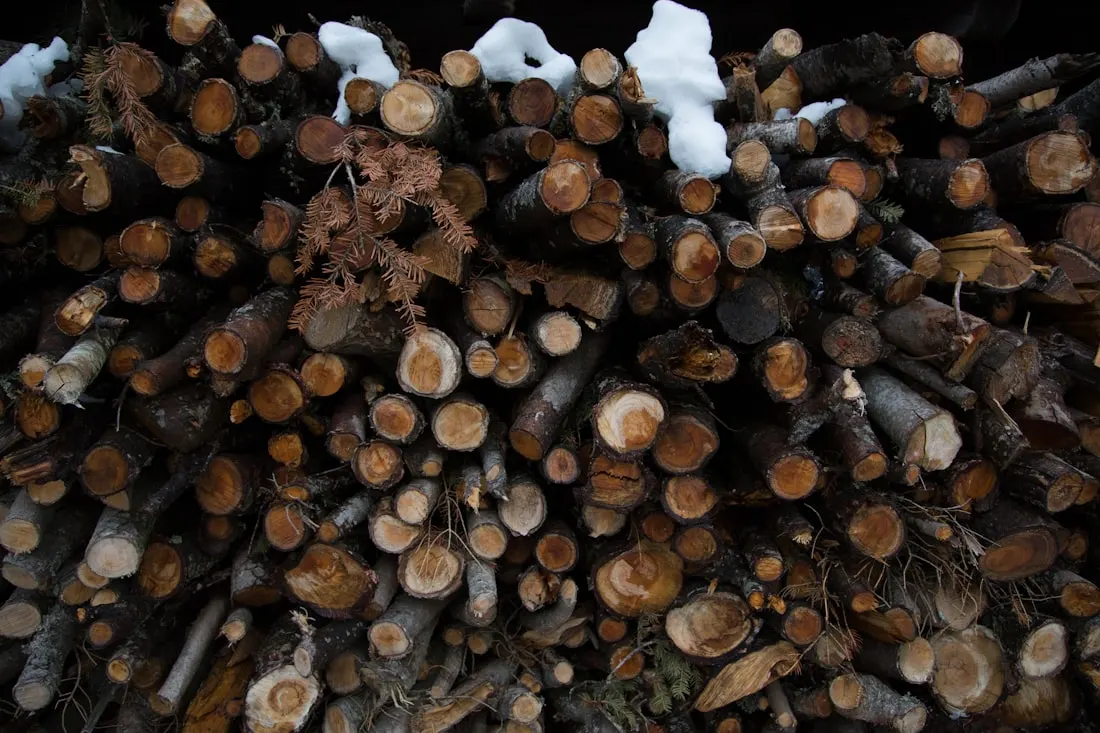
- Independence from utilities — works off-grid and in outages, needing only firewood.
The trade-off: time to light and tend, and firewood to gather and store.
Gas: convenience without a gas of tending
A gas heater burns natural gas or propane for:
- More convenient, controllable heat.
- No fire to tend — easier, quicker heat.
The trade-off: it depends on a gas supply, and it lacks the wood fire’s atmosphere.
Independence vs convenience
The core tension:
- Wood leads on independence and resilience — no gas or electricity needed, just firewood. Valuable in a cold climate prone to outages.
- Gas leads on convenience among fuel-burning options — but ties you to a fuel supply.
The experience question
For many, the wood fire itself — the crackle, glow and ritual — is central to the sauna. Gas provides the heat but not the atmosphere. So if the fire matters to you, wood delivers something gas doesn’t; if you want fuel-burning heat without the work, gas suits.
Don’t forget electric
Both wood and gas are fuel-burning, with flues and CO safety. If that complexity gives you pause, remember electric — which burns nothing, needs no flue, and is the simplest option — see gas vs electric and electric vs wood.
Common mistakes
- Underestimating either’s flue and CO-safety requirements.
- Choosing gas without a reliable gas supply.
- Choosing wood without wanting to tend a fire.
- Expecting gas to replicate the wood fire’s atmosphere.
- Overlooking electric as a simpler alternative.
Next steps
Choose wood for the fire, ritual and independence, or gas for convenient fuel-burning heat where gas is available. Both need a flue, combustion air, CO safety and professional installation. Also weigh the simpler electric option, and see choosing a sauna heater to decide on experience, convenience, fuel and independence.
Frequently asked questions
What's the difference between a wood and gas sauna heater?
Both burn fuel and need a flue, combustion air and carbon-monoxide safety, but they differ in experience and convenience. A wood heater gives the traditional fire, the ritual of tending it, and independence from utilities, but takes time to light and tend and needs firewood. A gas heater burns natural gas or propane for more convenient, controllable heat without tending a fire, but depends on a gas supply and lacks the wood fire's atmosphere. So the choice is between traditional, independent wood and convenient, gas-supplied burning — both fuel-burning, with the same flue and safety requirements.
Do both wood and gas sauna heaters need a flue?
Yes — both are fuel-burning heaters, so both need a flue to carry exhaust gases safely outside, along with adequate combustion air and proper carbon-monoxide safety. This is a fundamental requirement of any heater that burns fuel, wood or gas alike, and part of why both need professional-standard installation to code. An electric heater, by contrast, burns nothing and needs no flue. So if you're comparing wood and gas, expect the flue, combustion-air and CO-safety requirements with either — they share that fuel-burning safety dimension.
Is a gas sauna heater more convenient than wood?
Generally yes — a gas heater provides more convenient, controllable heat without the need to gather firewood, lay and light a fire, and tend it, so it's easier and quicker to get heat than with wood. A wood heater trades that convenience for the traditional fire, ritual and independence from utilities. So if convenience is the priority among fuel-burning options, gas has the edge; if the fire and independence matter more, wood does. Both still need the flue, combustion air and safety that fuel-burning demands, so gas is more convenient but not requirement-free.
Which is better for independence, wood or gas?
Wood offers the most independence — it needs no gas supply or electricity, just firewood, so a wood sauna works off-grid and during power or utility interruptions, which is valuable in a cold climate. A gas heater depends on a gas supply (natural gas or propane), so while it doesn't need electricity to produce heat like an electric heater, it does rely on fuel delivery or connection. So for utility independence and resilience, wood leads; gas is convenient where a reliable gas supply is available but ties you to that fuel. See our guide on using a sauna in a power outage.
Does a gas sauna heater give the same experience as wood?
Not quite — a gas heater provides the heat but not the traditional wood fire's atmosphere, the crackle and glow, and the ritual of tending it, which for many people are central to the wood-sauna experience. Gas offers convenient, controllable fuel-burning heat, while wood offers character and ritual at the cost of convenience. So if the fire itself matters to you, wood delivers something gas doesn't; if you want fuel-burning heat without the work, gas suits. It comes down to whether you value the wood fire's experience or the convenience of gas.
Which should I choose, a wood or gas sauna heater?
Choose wood if you want the traditional fire, the ritual, and independence from utilities, and don't mind gathering firewood and tending the fire. Choose gas if you want more convenient, controllable fuel-burning heat and have a reliable gas supply, and the wood fire's atmosphere isn't a priority. Both need a flue, combustion air, carbon-monoxide safety and professional installation. Also consider electric, which burns nothing and needs no flue, as a simpler alternative. Weigh experience, convenience, fuel availability and independence for your situation. See our guide on choosing a sauna heater.