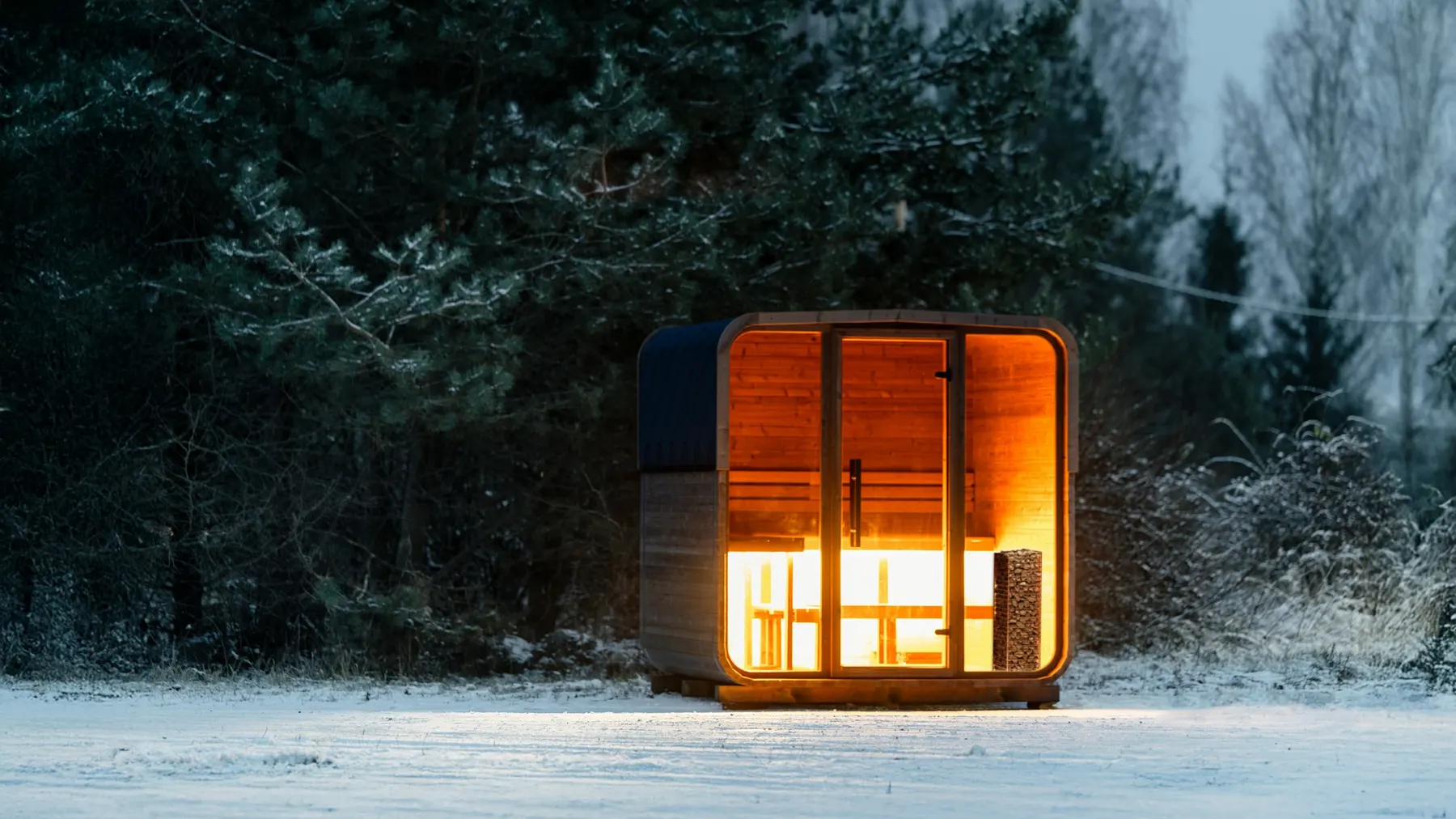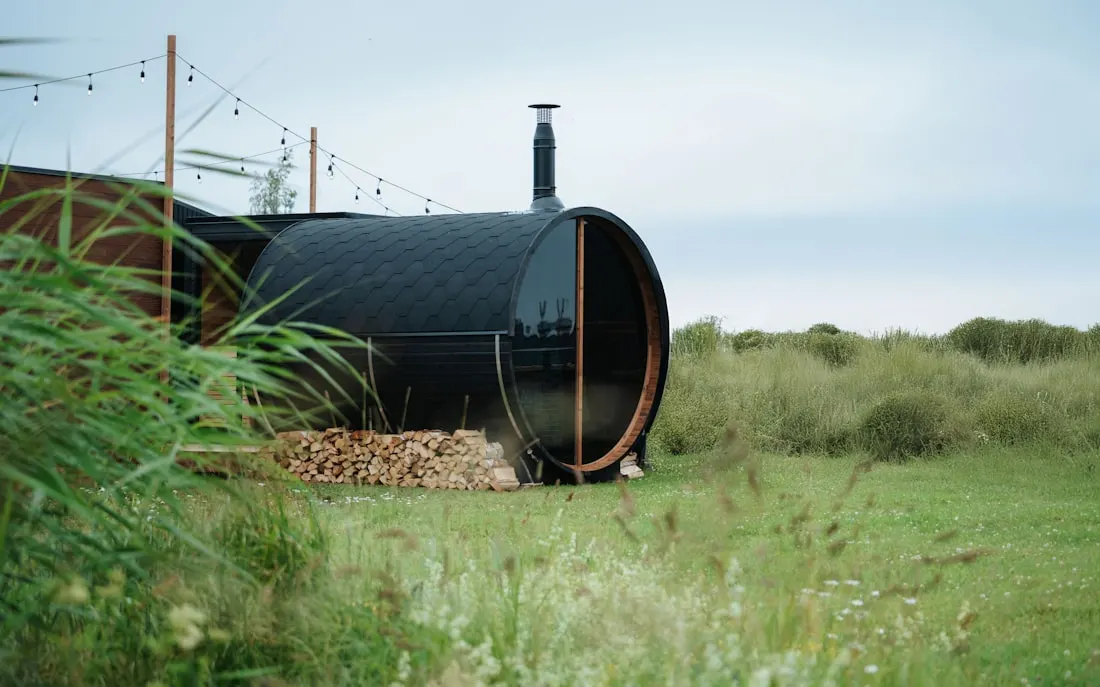
A mobile sauna is a small sauna — often a barrel or compact cabin — built on a road trailer so you can tow it to a lake, cottage, event or trailhead. It brings genuine flexibility, but adds trailer weight and towing, a heater and chimney that must handle transport, and insurance, licensing and local rules to sort out. It's ideal for shared use and shifting locations, less so as a fixed backyard sauna.
A mobile sauna answers a very Canadian problem: the best spot for a sauna keeps changing. Lake this weekend, cottage the next, a friend’s yard after that. Building the sauna on a road trailer turns it into something you can take to the heat you want, when you want it — with a few practical trade-offs that fixed saunas never face.
What a mobile sauna is
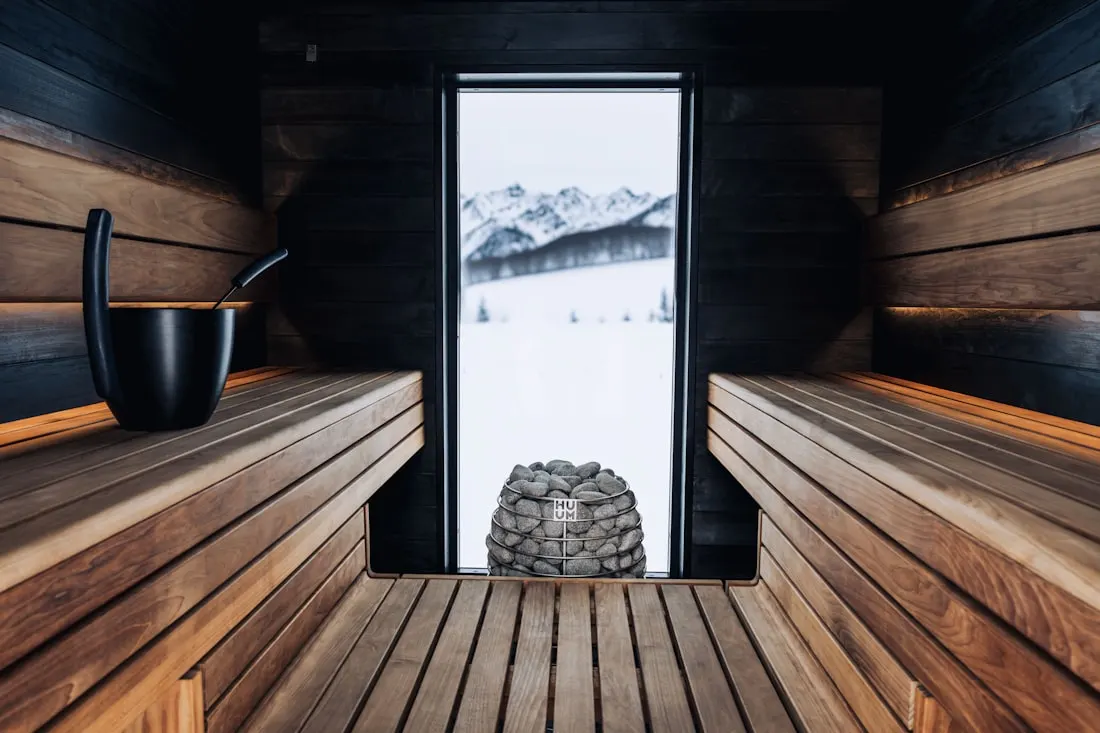
A mobile sauna is a compact sauna — commonly a barrel or a small cabin — built on a road-legal trailer. It has everything a fixed sauna does (heater, stones, benches, ventilation) plus wheels, a hitch, and the structure to survive being towed. The appeal is obvious: no foundation, no permanent siting, and the freedom to follow the season and the scenery.
Weight and towing
The first reality is weight. A sauna plus stove, stones, benches and any water is a substantial load, so two things matter:
- Your vehicle’s towing capacity must comfortably exceed the loaded trailer weight.
- The trailer must be rated and built for that load, with proper brakes and lights.
Weight also affects handling and braking, which matters more on winter roads. Don’t treat a mobile sauna as a light garden accessory — it tows like the real trailer it is.
Heater and chimney on the move
A wood-fired mobile sauna needs a certified chimney with correct clearances, and it has to cope with transport — some chimneys fold down or come off for towing. Secure the stove, and never run a wood heater while the sauna is moving. Electric mobile saunas exist too, but then you need a power source wherever you park, which limits the go-anywhere appeal. For most, the wood stove is what makes a mobile sauna truly independent.
Setting up on site
Because there’s no foundation, the spot you park in does that job. Look for level, stable ground, shelter from wind, and a safe place for the chimney to draw and for people to move around the hot stove. On snow and ice, a level, non-slip setup and a cleared area around the door matter. Give it time to heat once parked — a cold, road-chilled sauna takes a while to come up, like any winter warm-up.
Rules, insurance and water
The moving parts aren’t only mechanical:
- Registration and insurance for the trailer, appropriate to how you use it.
- Commercial or event rules if you rent it out or run it publicly — fire safety and permits can apply.
- Water systems (if fitted) need protection from freezing between uses in winter.
Check provincial and municipal requirements before you tow or operate one, especially for any commercial use.
Pros and cons
Advantages
- Take the sauna to the lake, cottage or trailhead
- No foundation or permanent siting
- Great for sharing and for events
- Wood-fired models are fully off-grid
- Can be moved or sold easily
Limitations
- Towing weight and vehicle capacity to manage
- Chimney and stove must handle transport
- Registration, insurance and possible commercial rules
- Compact interior; no fixed cool-down area
- Needs a safe, level spot each time
Common mistakes
- Underestimating the towing weight and your vehicle’s capacity.
- Towing with a hot or unsecured stove.
- Ignoring registration and insurance, especially for rentals.
- Parking on unstable or unsafe ground with a lit fire nearby.
Who it suits
A mobile sauna is ideal if you value flexibility and sharing over a permanent installation — cottagers who move between properties, groups who share one, or anyone running sauna events. If you simply want a sauna in one backyard, a fixed barrel or cabin on a proper foundation is usually simpler and better value. See our cost guidance for how a mobile build compares.
Frequently asked questions
Are mobile saunas practical in Canada?
Very, for the right use. If you want a sauna at the lake one weekend and the cottage the next, or you share one between friends or run events, a trailer-mounted sauna is hard to beat. For a permanent backyard sauna, a fixed build is usually simpler and cheaper per use.
How heavy is a mobile sauna?
Enough that towing capacity and trailer rating matter. A sauna, stove, stones, benches and water add up, so confirm your vehicle's towing capacity and that the trailer is rated for the load. Weight also affects handling, braking and winter-road safety, so don't underestimate it.
Can you use a mobile sauna in winter?
Yes — winter is prime sauna season. Plan for cold-weather towing on snow and ice, secure the stove and stones for transport, protect any water system from freezing, and give it time to heat once parked. Access to a safe, level spot to set up matters as much as the sauna itself.
Do mobile saunas need a chimney?
Wood-fired mobile saunas need a certified chimney with correct clearances, and it must be secured or designed for transport. Some chimneys fold or are removed for towing. Follow the stove and chimney manufacturer's guidance, and never run a wood heater while towing.
Do I need insurance or a licence for a mobile sauna?
Likely both a trailer registration and appropriate insurance, and possibly rules if you rent it out or run it at events. Requirements vary by province and municipality, so check registration, insurance, and any commercial or fire rules that apply before you tow or operate one.