To heat an outdoor sauna, turn on the electric heater (or light and tend the wood stove), keep the exhaust vent mostly closed during warm-up to reach temperature faster, and allow enough time — longer in a cold climate — until the sauna is comfortably hot. With an electric heater it's a matter of switching on (or using the controls or remote per the manufacturer) and waiting; with a wood heater it's laying and lighting the fire and tending it. Once up to temperature, open the exhaust for fresh air while bathing. In winter, be patient: an outdoor sauna simply takes longer to heat.
Heating an outdoor sauna is straightforward once you know the rhythm — but a few habits make the difference between a quick, efficient warm-up and a slow, heat-wasting one, especially in a Canadian winter. Whether you have an electric heater or a wood stove, the principles are the same: get the heater going, manage the vents, and allow enough time. This guide walks through heating your sauna properly.
Electric: switch on and wait
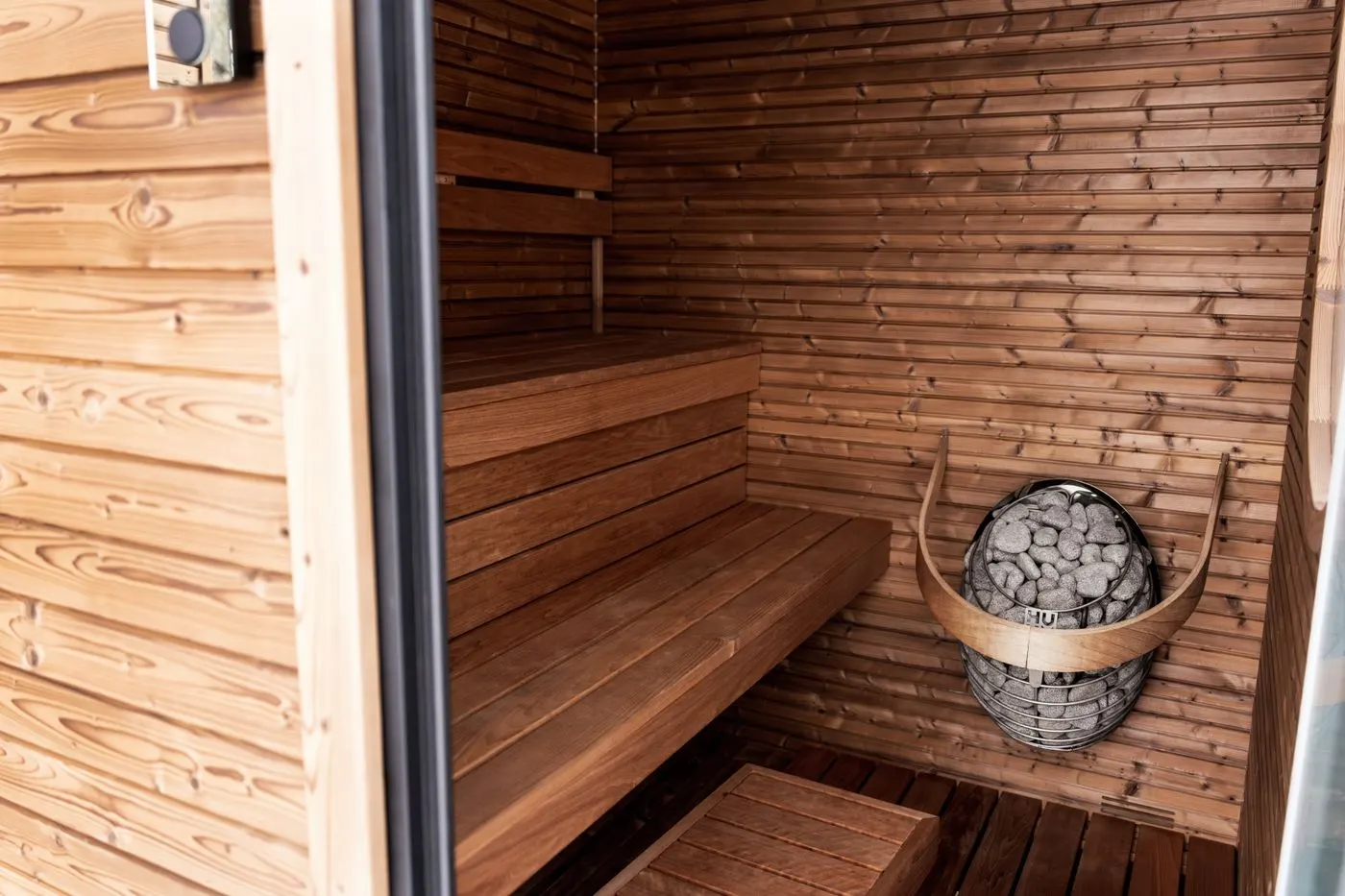
With an electric heater, heating is simple:
- Turn it on — via the controls or remote, per the manufacturer.
- Keep the exhaust mostly closed during warm-up (more below).
- Wait until the sauna is comfortably hot.
It’s largely a matter of switching on and allowing time. Some heaters offer remote or app start so it’s ready when you arrive.
Wood: lay, light and tend
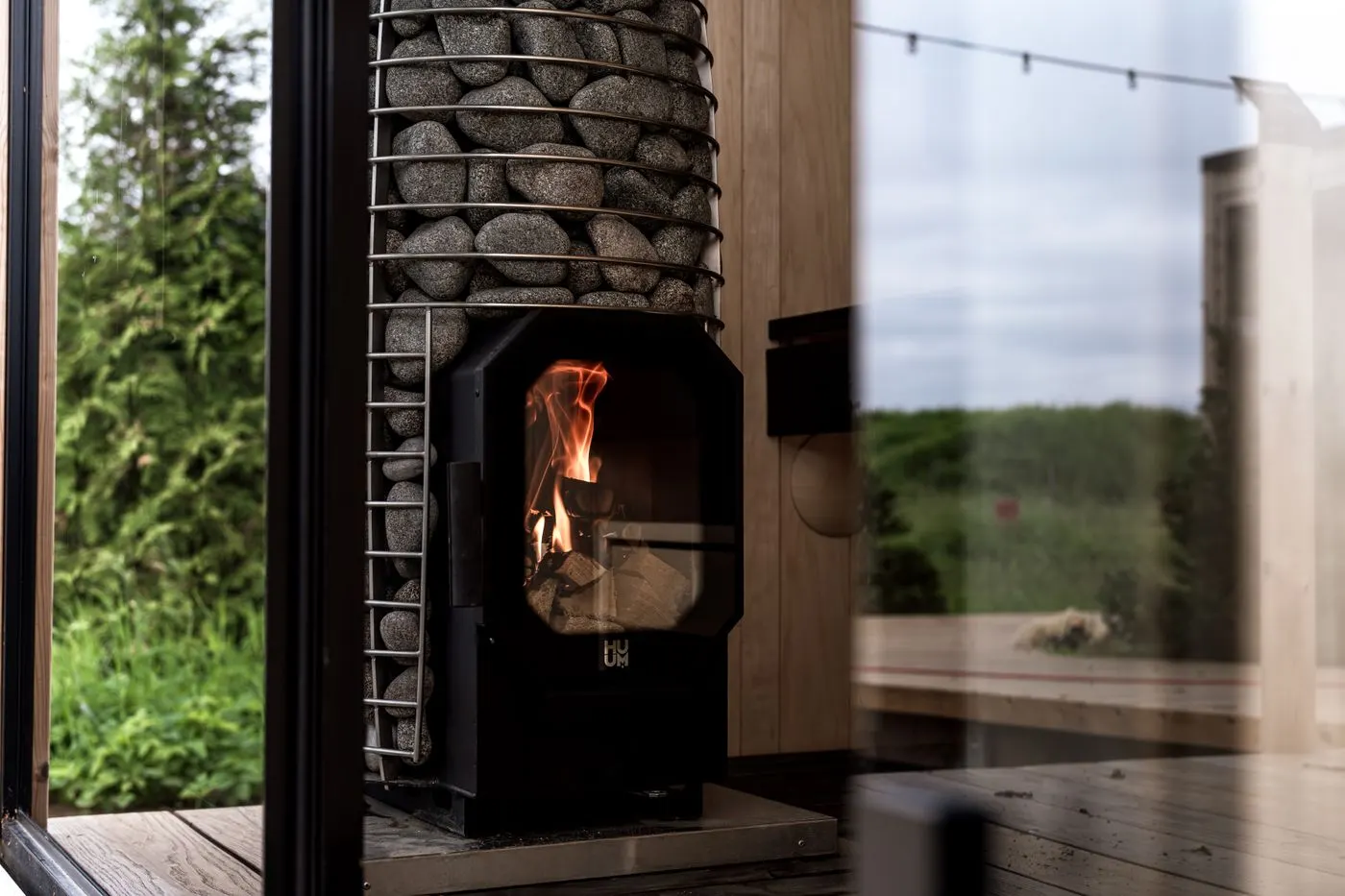
With a wood-burning heater, it’s more hands-on:
- Lay and light the fire per the manufacturer’s instructions.
- Get it burning well with enough combustion air.
- Tend it, adding dry, seasoned firewood as needed until up to temperature.
Ensure the flue is drawing and the combustion air is open, and never starve the fire. A wood heater takes attention but gives the traditional fire — mind carbon monoxide safety.
Manage the vents: closed to warm up
This is the habit that most affects warm-up speed:
- During warm-up: keep the exhaust vent mostly closed to reach temperature faster and hold heat.
- While bathing: open the exhaust for fresh air and even heat.
The fresh-air intake stays working; it’s the adjustable exhaust you close to warm up. Leaving it wide open during warm-up wastes heat and lengthens the time to get hot — especially in winter.
How long it takes
There’s no single figure — warm-up time depends on:
| Factor | Effect |
|---|---|
| Heater size | Bigger heats faster (to a point) |
| Insulation | Better insulation warms faster |
| Outside temperature | Colder = slower |
| Vent management | Closed exhaust warms faster |
A well-insulated sauna with a right-sized heater warms faster. See how long an outdoor sauna takes to heat in winter.
Be patient in the cold
In winter, an outdoor sauna simply takes longer — the heater must overcome freezing air and cold surfaces. This is normal, not a fault. Allow more time, ensure good insulation and a closed exhaust during warm-up, and be patient. If it genuinely can’t get hot, see a heater not getting hot.
Safety
Common mistakes
- Leaving the exhaust open during warm-up, wasting heat.
- Expecting instant heat in winter — allow time.
- Starving a wood fire of combustion air.
- Wet or unseasoned firewood that won’t burn well.
- Using remote start on a heater not designed for it.
Next steps
Get the heater going, close the exhaust to warm up, allow enough time (more in the cold), then open the exhaust to bathe. Follow your heater’s controls and safety guidance, and once it’s hot, enjoy the session — see how to use a sauna.
Frequently asked questions
How do you heat an outdoor sauna?
Turn on the electric heater (or light and tend the wood stove), keep the exhaust vent mostly closed during warm-up to reach temperature faster, and allow enough time until the sauna is comfortably hot — longer in a cold climate. With electric, it's switching on via the controls or remote per the manufacturer and waiting; with wood, it's laying, lighting and tending the fire. Once hot, open the exhaust for fresh air while bathing. Follow your heater's instructions throughout.
How long does it take to heat an outdoor sauna?
It depends on the heater size, the sauna's insulation, the outside temperature and the target heat — and in a cold climate it takes longer, especially in deep winter. There's no single figure; a well-insulated sauna with a right-sized heater warms faster, while cold weather and poor insulation slow it down. Allow more time in winter and don't assume a slow warm-up means a fault. See our guide on how long an outdoor sauna takes to heat in winter for more.
Should vents be open or closed when heating a sauna?
Keep the exhaust vent mostly closed during warm-up so the sauna reaches temperature faster and holds the heat, then open it while bathing for fresh air and even heat. Leaving the exhaust wide open during warm-up wastes heat and lengthens the time to get hot, especially in winter. The fresh-air intake stays working; it's the adjustable exhaust you close to warm up and open to bathe. Managing the vent this way is key to efficient heating.
How do you heat a wood-burning sauna?
Lay and light the fire in the wood stove following the manufacturer's instructions, get it burning well with enough combustion air, and tend it, adding wood as needed until the sauna reaches temperature. Use dry, seasoned firewood, ensure the flue is drawing and the combustion air supply is open, and never starve the fire. A wood heater takes attention to light and maintain, but gives the traditional fire. Follow the heater and flue guidance, and mind carbon monoxide safety.
Why does my outdoor sauna take so long to heat in winter?
Because cold weather simply slows warm-up — the heater must overcome freezing air and cold surfaces, so it takes longer than in mild conditions, especially in deep winter. This is normal, not necessarily a fault. Ensure the heater is right-sized, the sauna is well insulated, the exhaust is closed during warm-up, and you allow enough time. Patience and good insulation are the answer; if it genuinely can't get hot, see our guide on a heater not getting hot.
Can I start heating my sauna remotely?
Some electric sauna heaters offer remote or app start, letting you begin heating before you head out so it's ready when you arrive — convenient in a cold climate where warm-up is slow. But remote start has safety requirements and shouldn't be used unless the heater and installation are designed and approved for it, with the necessary safeguards. Follow the manufacturer's instructions and any code requirements, and see our guide on sauna remote-start safety before using it.