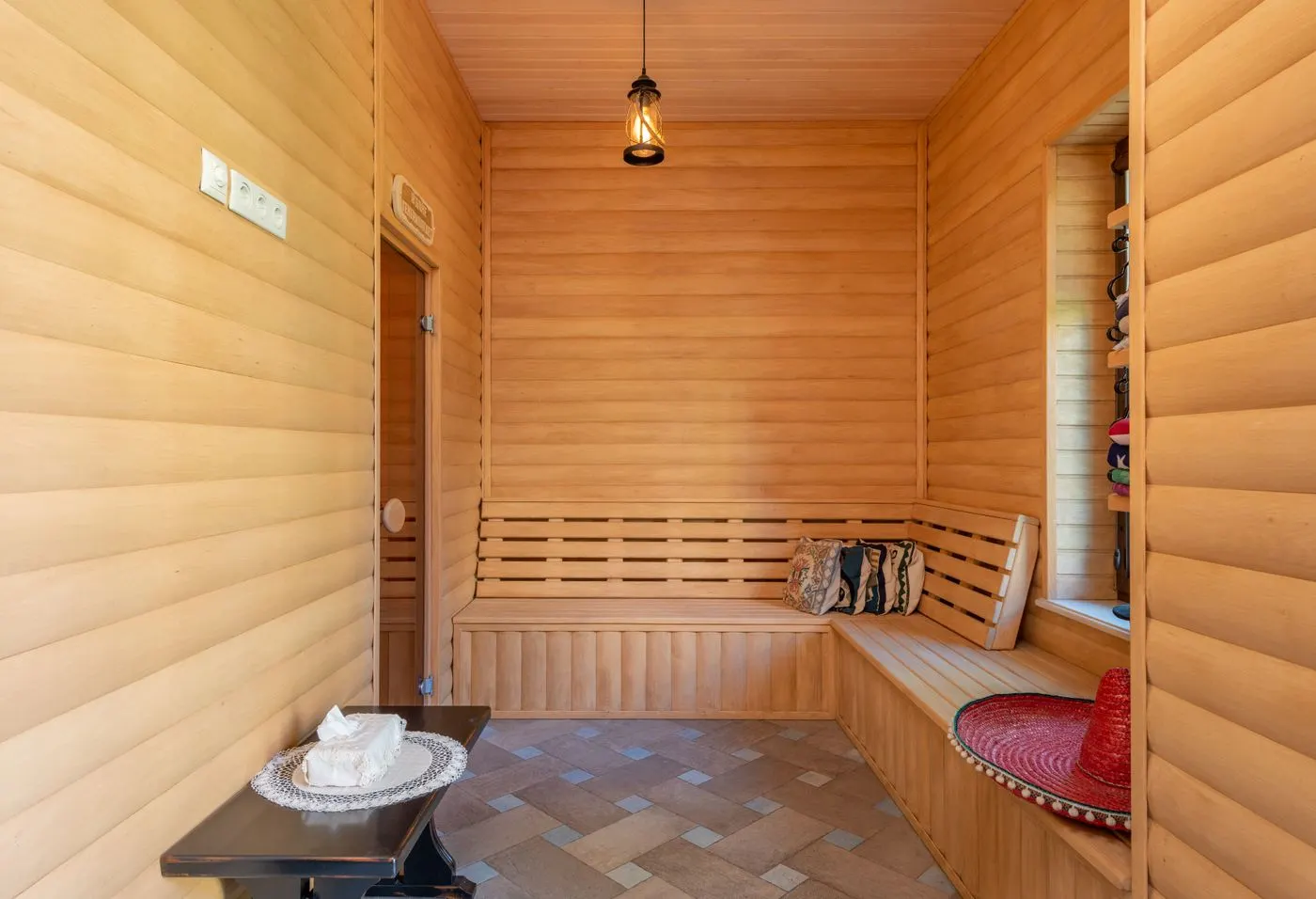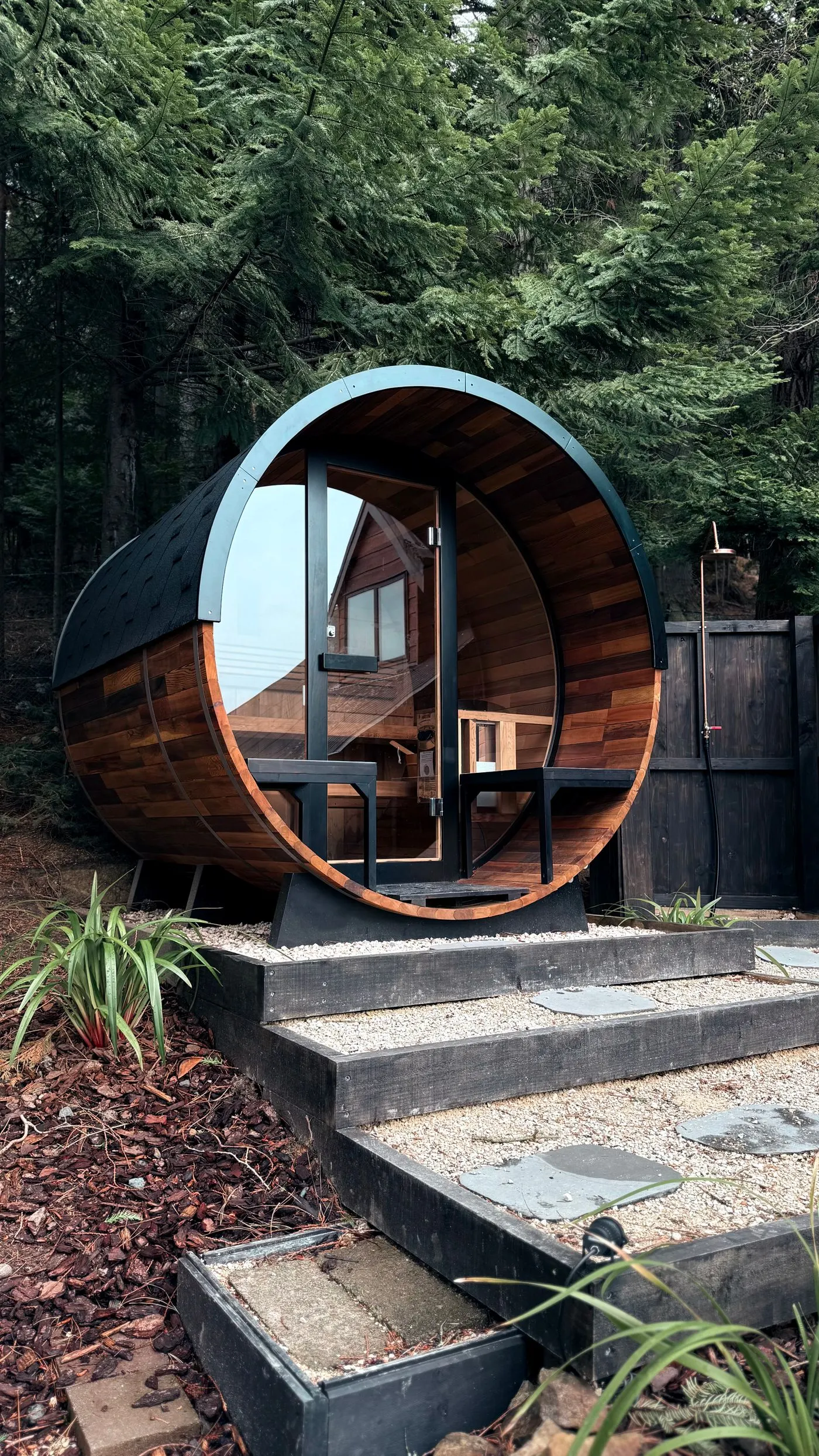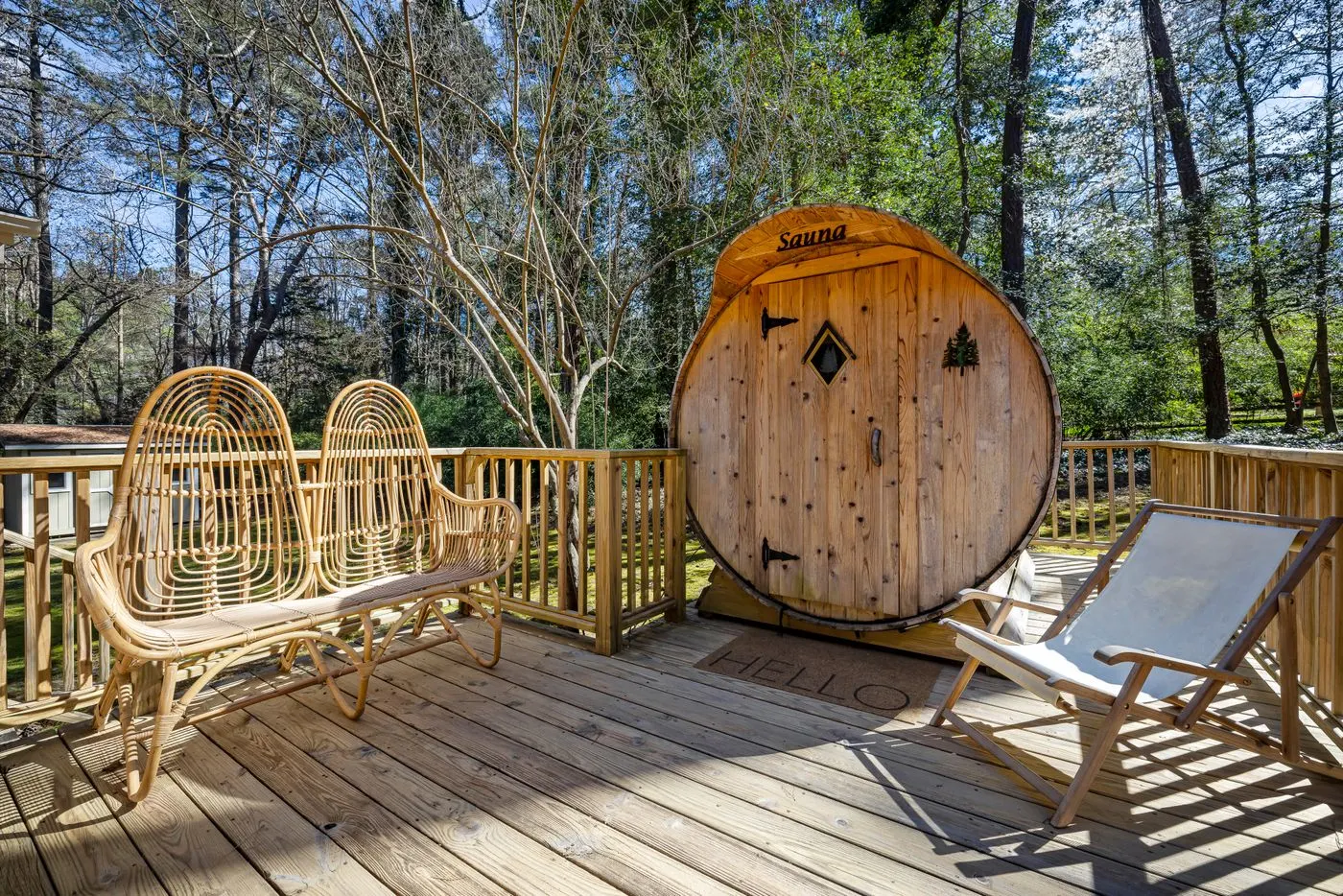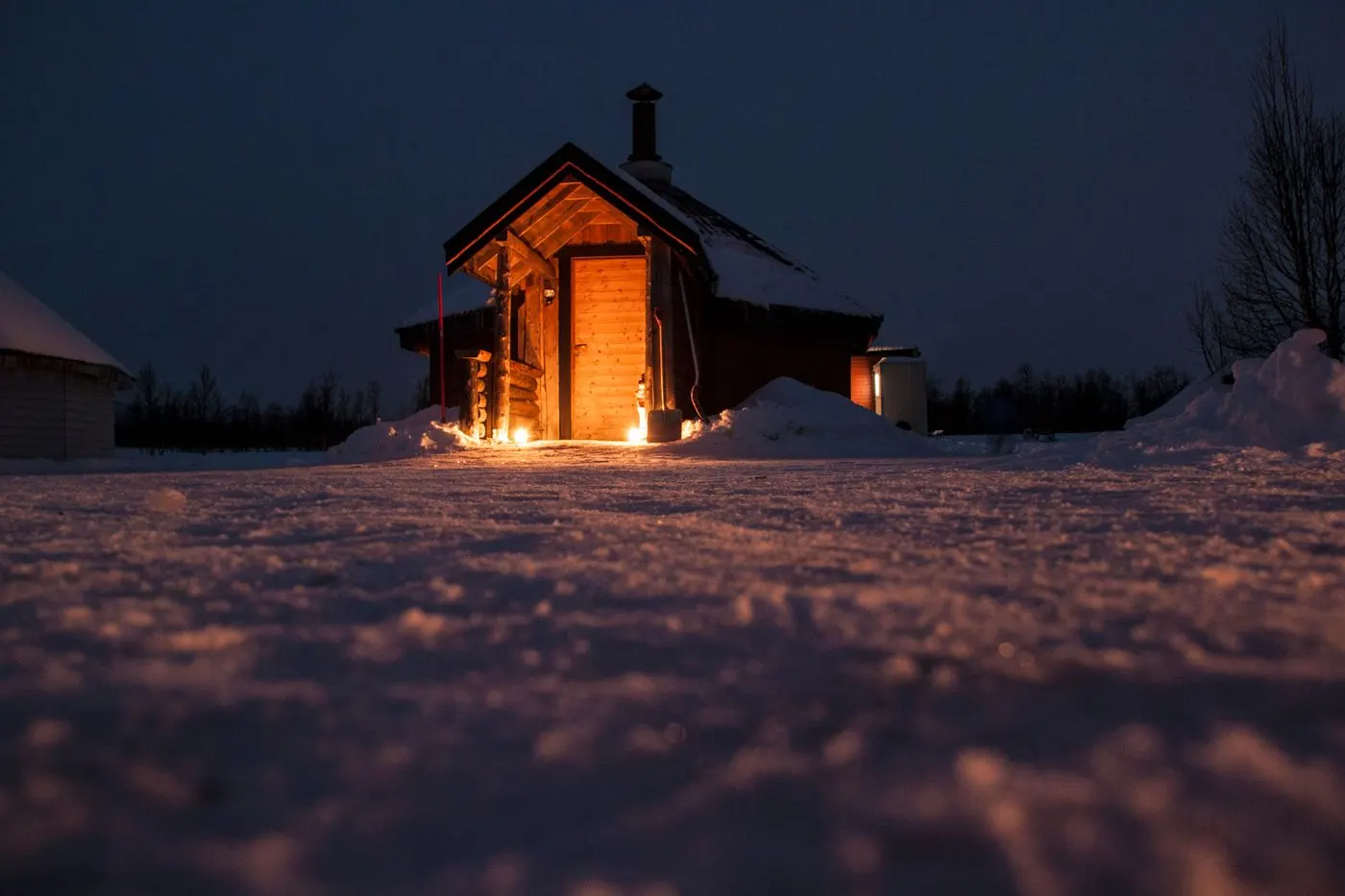
An outdoor sauna sits in the yard and vents and drains straight to the outside, giving the classic freezing-outside, hot-inside contrast and easy access to a cold plunge or snow — but it needs a foundation, weatherproofing and a cleared winter path. An indoor sauna is built into a home (basement, bathroom or spare room), offering convenience and shelter from the weather, but it must manage heat, moisture and ventilation within the house and has no direct cold-plunge or snow access. For the full cold-climate ritual, an outdoor sauna is the traditional choice; for convenience and year-round ease indoors, an indoor sauna suits.
Should your sauna go in the yard or inside the house? It’s a bigger decision than it first appears — the two differ not just in location but in the whole experience, in how they handle moisture and ventilation, and in what they take to install. In a cold climate especially, the choice shapes whether you get the full hot-cold ritual. This guide compares indoor and outdoor saunas.
The experience: the cold-climate ritual
The defining difference is the contrast:
- Outdoor — hot inside, freezing outside, with immediate access to a cold plunge, lake or snow. The classic cold-climate ritual.
- Indoor — hot inside, but no direct outdoor cold; the hot-cold contrast means a cold shower or a trip outside, less seamless.
If the freezing-outside contrast and cold plunge matter to you, outdoor delivers it far better.
Moisture and ventilation
This is where indoor gets more demanding:
- Outdoor — vents and drains straight to the outside, keeping heat and moisture away from your home. Simple.
- Indoor — must manage heat, moisture and ventilation within the house, so steam and humidity don’t damage surrounding rooms.
Outdoor ventilation and moisture handling are generally more straightforward; indoor requires careful design to integrate a hot, humid room into living space.
Installation and space
| Outdoor | Indoor | |
|---|---|---|
| Location | The yard | Basement, bathroom, spare room |
| Needs | Foundation, weatherproofing, winter path | Suitable space, moisture-proofing |
| Weather | Exposed — built for the elements | Sheltered |
| Cold access | Immediate (snow, plunge) | Indirect |
An outdoor sauna needs a foundation, weatherproofing and a cleared, lit winter path. An indoor sauna needs suitable space and moisture control within the home — but is sheltered from weather and highly convenient.
Cost
Neither is universally cheaper. Outdoor adds a foundation, weatherproofing and often a longer electrical run; indoor adds moisture-proofing and ventilation work within the house, plus the space it occupies. Compare total project cost for your situation — see project budget.
How to choose
- Choose outdoor for the full cold-climate ritual — freezing-outside contrast, cold plunge, simple venting, a destination in the yard.
- Choose indoor for convenience and shelter — year-round ease, no weather, no winter path — if you can integrate the moisture and heat.
Common mistakes
- Choosing indoor then missing the cold-plunge contrast you wanted.
- Underestimating indoor moisture control within the house.
- Forgetting the outdoor winter path, foundation and weatherproofing.
- Comparing on headline price rather than total project cost.
Next steps
For the traditional cold-climate ritual, an outdoor sauna is the natural choice — plan its foundation, ventilation, winter access and cold plunge. If convenience and shelter matter more and you can manage the indoor moisture, an indoor sauna suits. Match the choice to the experience you want and the space you have.
Frequently asked questions
Is an outdoor or indoor sauna better?
Neither is universally better — it depends on what you want. An outdoor sauna gives the freezing-outside, hot-inside contrast, easy access to a cold plunge or snow, and simple venting and draining to the outdoors, but needs a foundation, weatherproofing and a winter path. An indoor sauna offers convenience and shelter from weather but must manage heat and moisture within the house and lacks direct cold-plunge access. Choose for the ritual (outdoor) or convenience (indoor).
What are the advantages of an outdoor sauna?
It offers the classic cold-climate ritual — hot inside, freezing outside — with easy access to a cold plunge, lake or snow, and it vents and drains straight to the outdoors, keeping moisture out of your home. It's a destination in the yard. The trade-offs are needing a foundation, weatherproofing for the elements, and a cleared, lit winter path. For the full hot-cold experience in a cold climate, outdoor is the traditional choice.
What are the challenges of an indoor sauna?
The main challenges are managing heat, moisture and ventilation within the house — an indoor sauna must be built so steam and humidity don't damage surrounding rooms, with proper ventilation and moisture control, and it needs suitable space (basement, bathroom or spare room). It also lacks direct access to a cold plunge or snow. Its advantages are convenience and shelter from the weather; the trade-off is integrating a hot, humid room into your living space.
Can you get a cold plunge with an indoor sauna?
Not as directly. An outdoor sauna makes the cold plunge, lake or snow immediate — step out and cool off. An indoor sauna has no direct access to outdoor cold, so the hot-cold contrast means a cold shower or a trip outside, which is less seamless. If the cold-plunge ritual matters to you, an outdoor sauna suits it far better. Indoors, you can still cool down, but the striking freezing-outside contrast is an outdoor advantage.
Does an outdoor sauna cost more than an indoor one?
It depends on the builds. An outdoor sauna adds a foundation, weatherproofing and often a longer electrical run, while an indoor sauna may need moisture-proofing and ventilation work within the house and suitable space. Neither is universally cheaper — compare total project cost for your situation, including the site work outdoors versus the integration work indoors. Running costs also depend on insulation and how each is used.
Which is easier to ventilate, indoor or outdoor?
An outdoor sauna vents and drains straight to the outside, which is simple and keeps moisture away from living space. An indoor sauna must ventilate within the house and manage its heat and humidity so they don't affect surrounding rooms, which takes more careful design. So outdoor ventilation and moisture handling are generally more straightforward, while indoor requires integrating the sauna's moisture and heat safely into the home.