A log sauna is built from solid, stacked timber rather than a framed, insulated wall. Its heavy thermal mass gives a soft, stable heat once warmed and a classic Canadian cottage character, but solid logs are slow to heat, can leak air at the joints, and settle and move over time. It suits traditionalists and wood-fired cottage use more than those chasing maximum efficiency.
There’s a reason the log sauna is the image many Canadians hold of a proper cottage steam: solid timber, a wood fire, and a heat that feels ancient and enveloping. It’s the most traditional format here, and it has genuine strengths — alongside quirks that come with building from solid wood rather than a modern insulated wall.
What a log sauna is
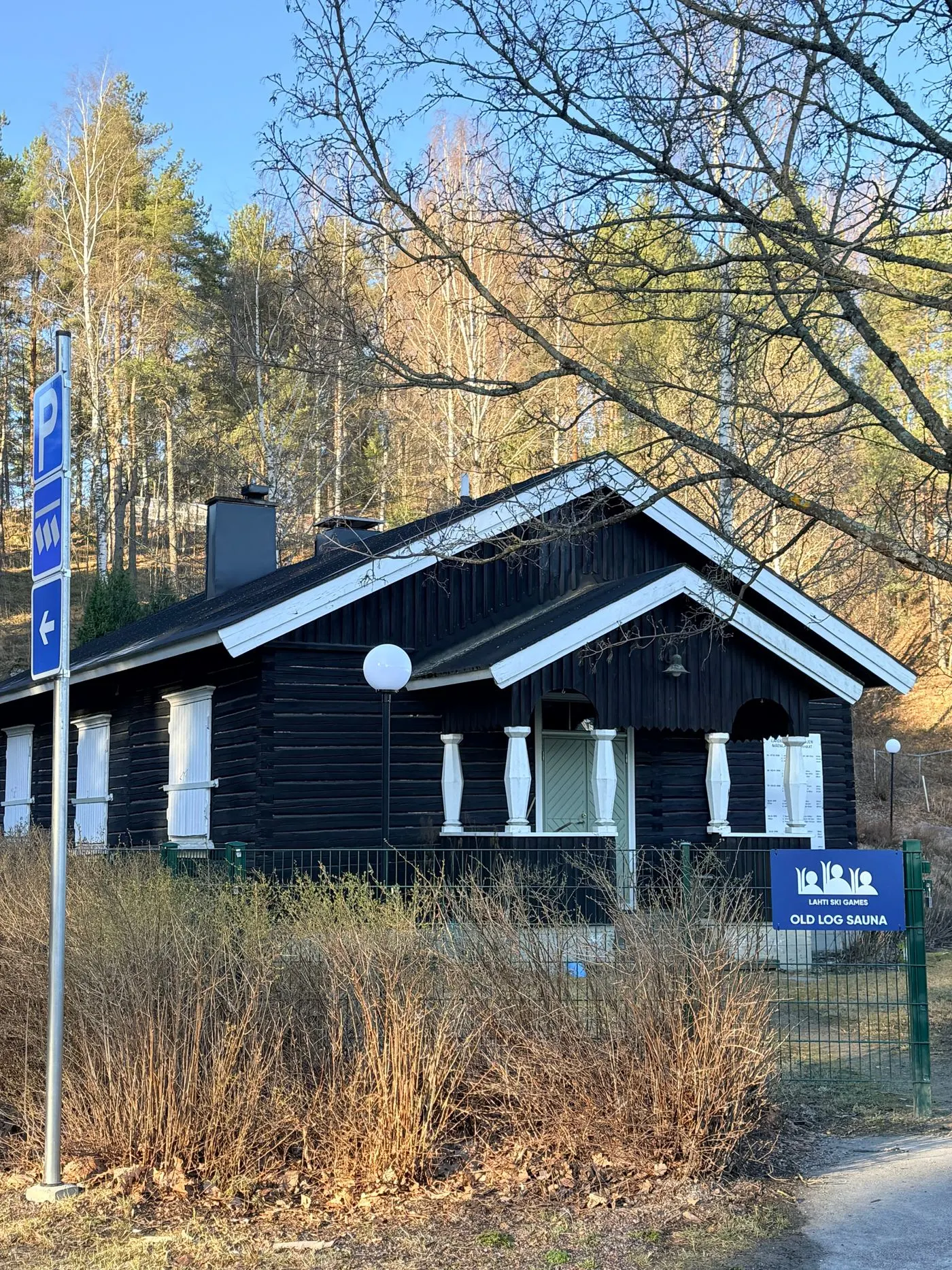
A log sauna is built from solid, stacked timber — full logs or heavy squared beams — rather than a framed cavity wall. The logs are the structure, the insulation and the interior finish all at once. That solidity is the whole character of the format: substantial, long-lived and unmistakably rustic.
Unlike a cabin sauna with its stud cavity, a log wall has no place for batt insulation or a foil vapour barrier. Instead it relies on the thermal mass of the wood itself, and on the quality of the joints between logs.
Thermal mass: the defining trait
Solid timber stores a lot of heat. That has two consequences. First, a log sauna is slow to heat — you’re bringing a big mass up to temperature, not just warming the air. Second, once it’s hot, it holds and radiates heat beautifully, giving a soft, stable, long-lasting warmth that many people prefer. It’s a format that rewards a longer, unhurried warm-up, which pairs naturally with a wood fire.
Air leakage and settling
The logs insulate reasonably by mass, but the joints between them are the weak point. Two forces work against a tight wall over time:
- Settling. Stacked timber compresses and shrinks as it dries, so the wall settles downward over the first years and joints shift.
- Movement. Wood swells and contracts with the seasons, opening and closing small gaps.
Good construction anticipates this — quality chinking or gasketing between logs, and careful detailing around doors, windows and the chimney so movement doesn’t jam them. Neglected, these joints leak air and heat and let moisture in.
Heaters: a natural home for wood
Log saunas and wood-burning heaters go together. The traditional character, the off-grid cottage setting and the slow, radiant heat all suit a wood stove. An electric heater works too, but part of the appeal of a log build is the fire. Whatever you choose, the heater still needs correct clearances, and a wood stove a certified chimney — the solid timber walls make clearances and fire protection no less important.
Moisture
Solid wood handles humidity differently from a sealed, vapour-controlled wall. There’s no vapour barrier to protect, but you do need to keep water away from where logs meet the ground and the roof, protect the exterior timber, and ventilate and dry the interior after use like any sauna. Rot at the base course or under a leaking roof is the classic log-building failure — drainage and a good roof overhang matter.
Pros and cons
Advantages
- Soft, stable, radiant heat once warmed
- Substantial thermal mass holds temperature
- Classic Canadian cottage character
- Very durable and long-lived when maintained
- Natural fit for wood-fired, off-grid use
Limitations
- Slow to heat; big mass to warm
- Joints can leak air as timber settles
- Insulates less than a framed, insulated wall
- Needs maintenance for settling and gaps
- Heavier, more involved to build
Common mistakes
- Expecting fast heat-up. A log sauna rewards patience; size the heater and allow time.
- Ignoring settling. Detail doors, windows and chimney for movement, or they’ll bind.
- Neglecting the joints. Re-chink or re-seal gaps as they appear.
- Poor base and roof detailing. Keep water off the bottom logs and under a generous overhang.
Cost and alternatives
A quality log sauna is usually a more involved, heavier build than a kit, and cost depends heavily on the timber and labour — treat any figure as an approximate range and see our cost guidance. If you love the look but want easier, more efficient winter performance, a framed cabin sauna with timber cladding gives a similar feel with modern insulation. If you want simple and cheap, a shed-style sauna is the pragmatic route. The log sauna is for those who want the real, solid-timber tradition and will maintain it.
Frequently asked questions
Are log saunas good for cold climates?
They can be, but with caveats. Solid logs store heat well and give a lovely stable warmth once up to temperature, yet they insulate less than a framed, insulated wall and take longer to heat. Good chinking, sealing and a wood-burning heater make them well suited to traditional cottage use.
Do log saunas leak heat?
The logs themselves are reasonably insulating due to mass, but the joints between logs are the weak point. As timber settles, dries and moves, gaps can open and leak air and heat. Quality construction, chinking or gasketing between logs, and periodic maintenance keep leakage in check.
How long does a log sauna take to heat?
Longer than a light, insulated build, because you're heating a lot of thermal mass. The upside is that once warm, it holds and radiates heat steadily. A well-sized wood-burning heater and patience suit the format; it rewards a longer, slower warm-up.
Do log saunas need maintenance?
Yes. Expect to manage settling and any gaps that open between logs, re-seal or re-chink as needed, protect the exterior timber, and watch for moisture where logs meet the ground or roof. Solid-timber buildings move with the seasons and reward regular attention.
Why do log saunas settle?
Stacked timber compresses and the wood loses moisture and shrinks over the first years, so the whole wall settles downward and joints shift. Good builders detail around doors, windows and the chimney to allow for this movement; ignoring it causes sticking doors and gaps.