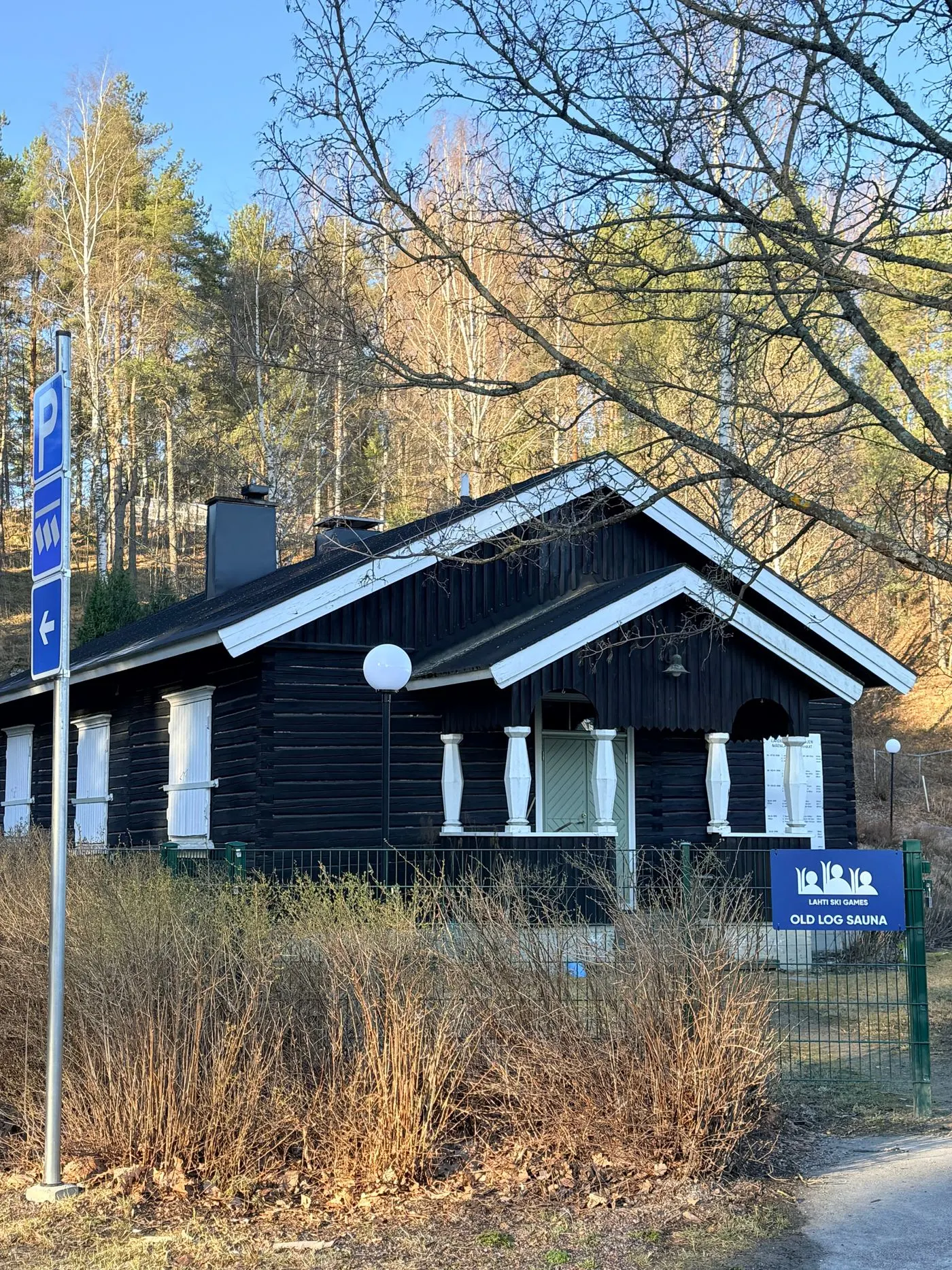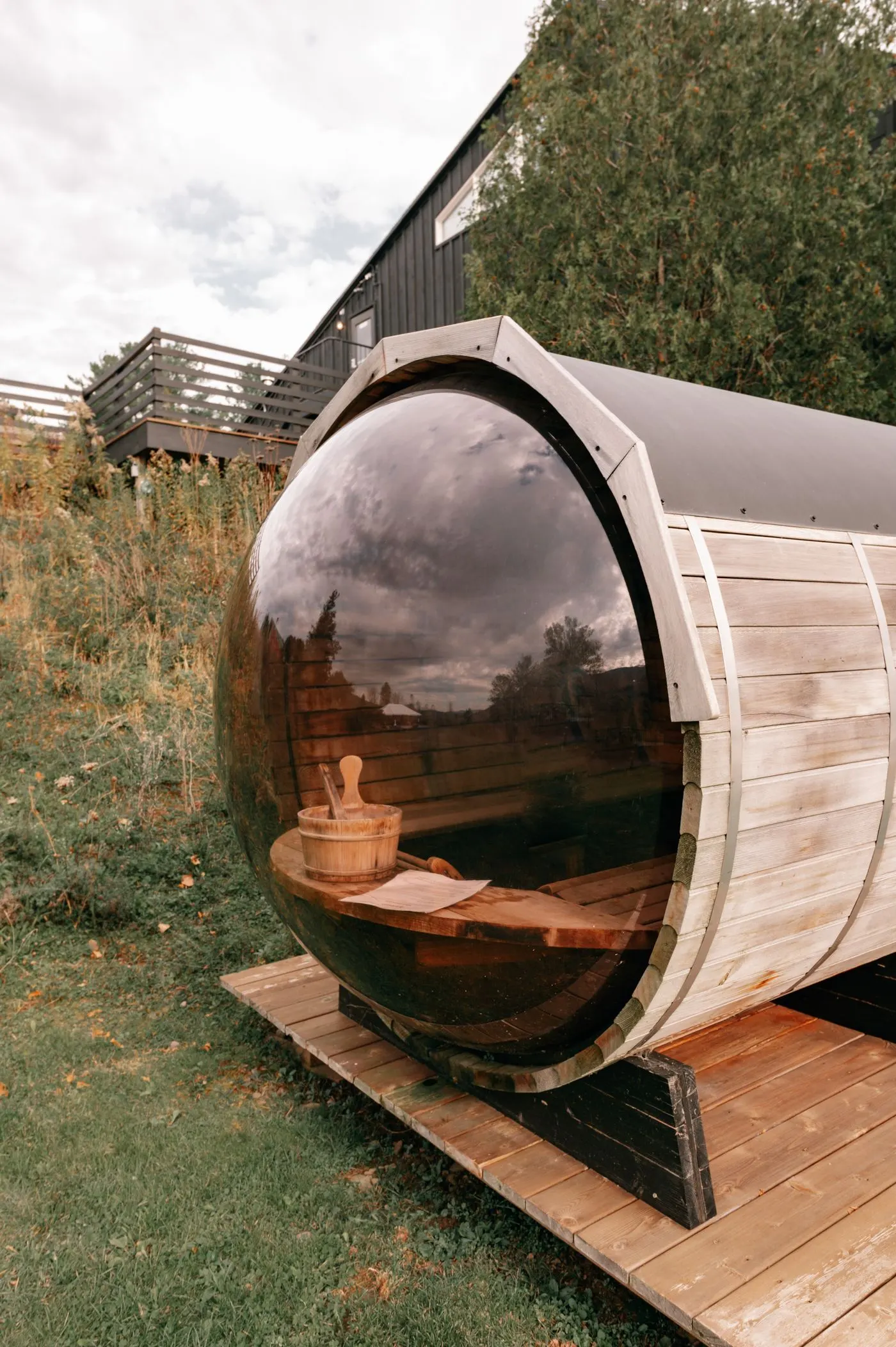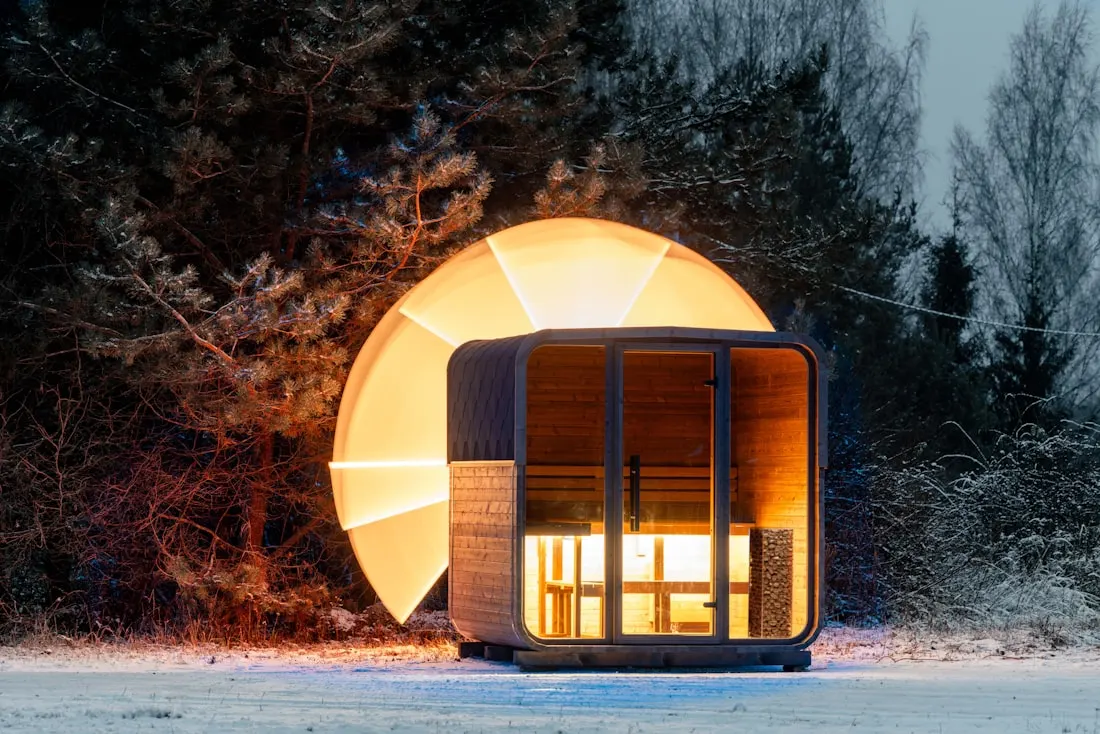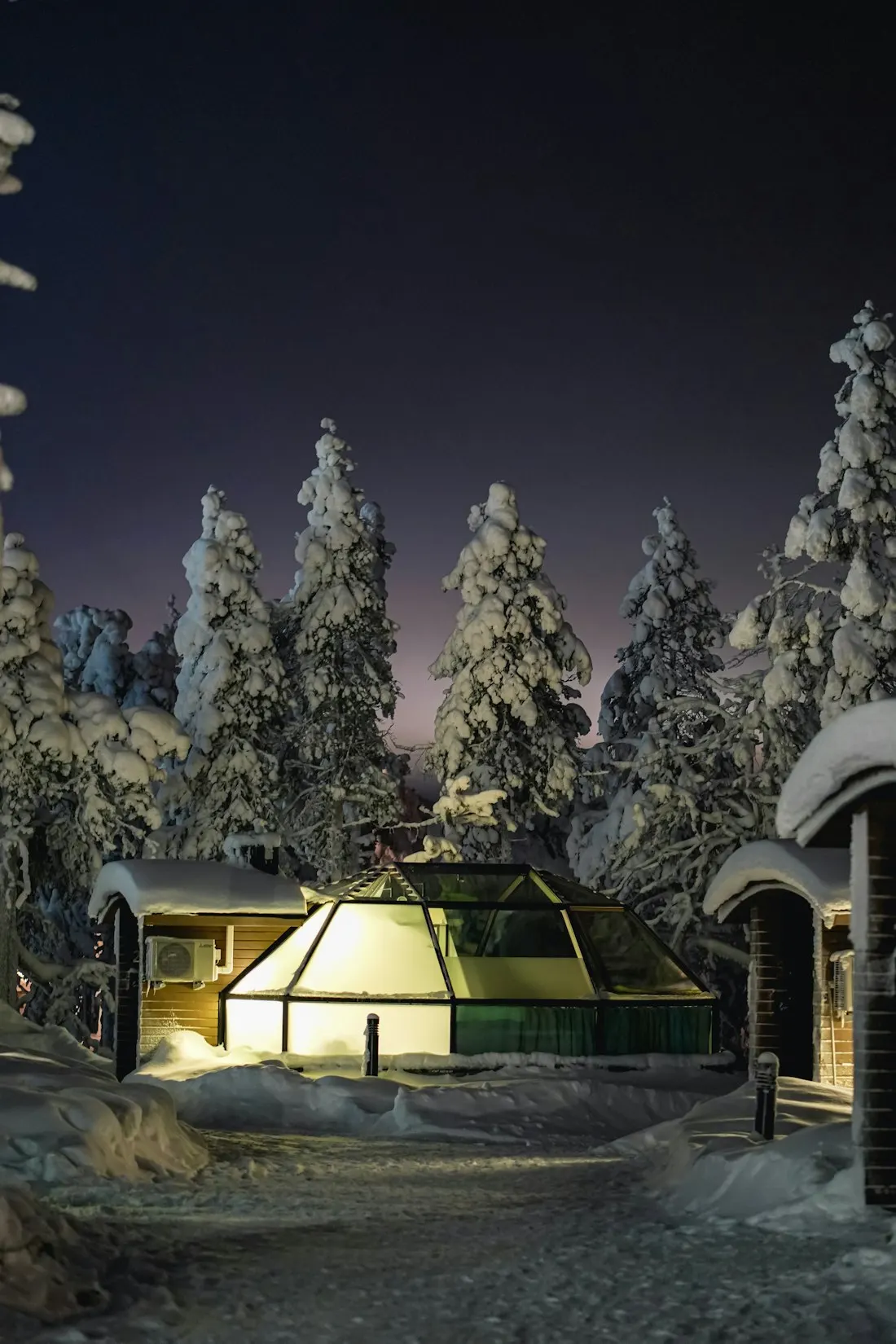
A changing room is a separate, unheated (or gently warmed) space attached to the sauna where you undress, store clothes and cool down — and in a cold climate it adds real comfort, giving you somewhere dry and sheltered to change rather than doing so in the freezing outdoors. Plan it as an anteroom with a bench, hooks and a dry floor, ventilated separately from the hot room. It adds footprint and cost, so weigh it against a simpler sauna; alternatives include changing in the house or a covered porch. For regular winter use, most people find it well worth the space.
In summer, changing outside a sauna is no hardship. In a Canadian winter, undressing in the freezing dark is a different story — which is why a changing room is one of the most worthwhile additions to a cold-climate sauna. It gives you a dry, sheltered place to change, store clothes and cool down. It’s not essential, but for regular winter use, most people find it transforms the experience. This guide covers planning one.
What a changing room is
A changing room (or anteroom) is a separate space attached to the sauna where you:
- Undress and dress.
- Store clothes and towels.
- Cool down between rounds.
It’s unheated or gently warmed — never sauna-hot — and sits between the outdoors and the hot room as a comfortable buffer.
Why it matters more in the cold
The colder the climate, the more a changing room earns its space:
- Somewhere dry and sheltered to change instead of the freezing outdoors.
- A buffer between warm room and cold air.
- A place to cool down in comfort between rounds.
In winter, this is the difference between a pleasant ritual and a cold dash — see operating a sauna in extreme cold.
What it needs
Keep it simple and comfortable:
- A bench to sit and change.
- Hooks or shelves for clothes and towels.
- A dry floor that stays dry.
- Its own ventilation, since it sees moisture from wet bathers but not sauna heat.
Heated or not?
The changing room doesn’t need sauna heat, but in a cold climate a gently warmed or at least well-sheltered area is far more comfortable for winter undressing:
- Unheated: simplest; provides shelter but is cold.
- Gently warmed: most comfortable in deep winter.
Even an unheated but dry, sheltered anteroom beats changing outdoors. Decide on your climate and comfort.
Ventilate it separately
The hot room and changing room have different needs, so ventilate them separately:
- Hot room: its intake-and-exhaust pair.
- Changing room: its own airflow, to stay dry and free of musty smells despite wet bathers.
Keeping the changing area dry and aired prevents damp — treat the hot room as the priority and give the anteroom its own path.
The trade-off, and alternatives
A changing room adds footprint and cost. If you’ll use the sauna occasionally, or the house is very close, a simpler build may suit. Alternatives:
| Option | Comfort | Cost / space |
|---|---|---|
| Enclosed changing room | Highest | Most |
| Covered porch / overhang | Some shelter | Moderate |
| Change in the house | Depends on distance | None |
| Change outdoors | Lowest | Least |
A covered porch is a popular middle ground — shelter without a full enclosed room.
Common mistakes
- Sharing the hot room’s ventilation instead of giving the changing room its own.
- A damp changing room that goes musty from wet bathers.
- Building a big anteroom you’ll rarely use.
- No changing option at all for a sauna used through winter.
Next steps
Decide whether a changing room fits your use, climate and budget — for regular winter bathing, most find it worth the space. Plan it as a dry, ventilated anteroom with a bench and hooks, size it into your overall footprint, and fold it into your project budget. See the sauna-with-changing-room type for the build.
Frequently asked questions
Does an outdoor sauna need a changing room?
It's not essential, but in a cold climate a changing room adds real comfort — somewhere dry and sheltered to undress, store clothes and cool down rather than changing in the freezing outdoors. Whether you need one depends on how you'll use the sauna, your climate and whether the house is close by. For regular winter use, many people find a changing area well worth the extra space and cost.
What does a sauna changing room need?
A dry, sheltered space with a bench to sit and change, hooks or shelves for clothes and towels, a floor that stays dry, and its own ventilation, since it sees moisture from wet bathers but doesn't get sauna-hot. It can be unheated or gently warmed. Keep it simple: a comfortable anteroom between the outdoors and the hot room, separate from the sauna's own ventilation.
Should the changing room be heated?
It doesn't need sauna heat, but in a cold climate a gently warmed or at least sheltered changing area is far more comfortable than an unheated one for undressing in winter. Some are left unheated and simply provide shelter; others have modest warmth. It should never share the hot room's high heat. Decide based on your climate and comfort — even an unheated but dry, sheltered anteroom beats changing outdoors.
Does a changing room affect the sauna's ventilation?
The hot room and changing room have different ventilation needs, so ventilate them separately: the hot room with its intake-and-exhaust pair, and the changing room with its own airflow, since it sees moisture from wet bathers but not sauna heat. Keeping the changing room dry and aired prevents damp and musty smells. Treat the hot room's ventilation as the priority and give the changing area its own path.
Is a changing room worth the extra cost?
For regular cold-climate use, most people find it is — it transforms the experience of using a sauna in winter, giving a dry, sheltered place to change and cool down. But it adds footprint and cost, so if you'll use the sauna occasionally, or the house is very close, a simpler build may suit. Weigh the comfort against the extra space and budget for your situation.
What are the alternatives to a changing room?
Changing in the house if it's close by, using a covered porch or overhang attached to the sauna as a sheltered (if not enclosed) area, or accepting changing outdoors for a minimal build. Each trades comfort for simplicity and cost. A covered porch is a popular middle ground — some shelter without a full enclosed room. Choose based on how much winter comfort matters against space and budget.