A gravel pad is a compacted layer of crushed gravel that forms a simple, well-draining, affordable base for a lighter outdoor sauna. It resists frost heave by draining water away so there is little moisture to freeze, rather than by reaching below the frost line. Build it by excavating, laying and compacting crushed gravel in layers over a drainage base, and levelling the top. It suits lighter saunas on well-drained ground; on wet, clay or frost-susceptible soil, piers or ground screws are safer.
The gravel pad is the foundation many outdoor saunas actually get, and for good reason: it is the simplest, most affordable, most DIY-friendly base there is. Done well on suitable ground, a compacted gravel pad gives a stable, well-draining foundation that keeps a lighter sauna level for years. Done on the wrong soil, or without proper compaction, it disappoints. This guide covers how a gravel pad works, how to build one, and where its limits are.
What a gravel pad is and how it resists frost
A gravel pad is a compacted layer of crushed gravel laid over prepared ground to form a level, load-bearing, well-draining base. The sauna — often a barrel, a small cabin or a shed-style build — sits on the pad, sometimes on skids or a frame.
Crucially, a gravel pad resists frost heave differently from piers or screws. It does not reach below the frost line. Instead, it works by drainage: frost heave needs water in the soil to freeze and expand, and a compacted gravel pad over a drainage base lets water drain away, so there is little moisture beneath the sauna to freeze and lift it. That is why a gravel pad is excellent on well-drained ground — and less reliable on wet or clay soil that holds water.
How to prepare a gravel base: step by step
While the exact depths depend on your soil and drainage, the method is consistent:
- Mark out and excavate the pad area, a little larger than the sauna’s footprint, removing topsoil, sod and soft organic material down to firm subsoil.
- Check and grade the base so any water drains away from the pad, not toward it.
- Lay a coarse drainage base if the ground needs it, so water can move away beneath the pad.
- Add crushed gravel in layers, compacting each layer thoroughly before adding the next. Compaction in layers — not one deep dump of loose gravel — is what makes the pad stable.
- Level the top true and flat, checking with a long level, so the sauna starts level.
- Set the sauna (or its skids/frame) on the finished, compacted, level pad.
The two make-or-break steps are drainage and compaction. Skip either and the pad shifts or holds water.
Choosing the gravel
Use angular crushed gravel (crushed stone) that compacts into a stable, interlocking, well-draining layer. Avoid smooth, rounded pea gravel, which does not lock together and shifts underfoot. A compactable crushed gravel over a coarse drainage base is the usual recipe. The angularity and the compaction are what give the pad its strength.
Where a gravel pad works — and where it doesn’t
| Situation | Gravel pad? |
|---|---|
| Lighter sauna, well-drained ground | Excellent — simple and affordable |
| Barrel or small cabin on good soil | Common and effective |
| Wet, clay or poorly drained soil | Risky — may still heave; use piers/screws |
| Heavy or large permanent sauna | Consider a slab or piers instead |
| Steep slope | Harder to build level; screws/piers suit better |
Pros and cons
Advantages
- The most affordable foundation
- Simple and DIY-friendly
- Drains well beneath the sauna
- No concrete or curing
- Good for lighter saunas on suitable ground
Limitations
- Relies on the ground draining well
- Risky on wet, clay or frost-susceptible soil
- Best for lighter, smaller saunas
- Needs proper compaction and levelling
- Harder to build level on a slope
Cost
A gravel pad is usually the least expensive foundation, especially as a DIY job — the main costs are the gravel and any equipment to move and compact it, plus delivery and site access. That affordability is a big part of its appeal. Weigh it against the fact that it suits lighter saunas on good ground; on poor soil, spending more on piers or ground screws is the safer economy. See our cost guidance.
Common mistakes
- Using rounded pea gravel that shifts instead of angular crushed stone.
- Not compacting in layers, leaving a soft, settling pad.
- Ignoring drainage, so water collects and the pad heaves.
- Building on wet or clay soil where a gravel pad alone can still heave.
- A pad that starts out of level, carrying through the whole build.
Next steps
If your ground drains well and your sauna is light, a well-built gravel pad is hard to beat for value. On wet or frost-susceptible soil, step up to ground screws or concrete piers that reach below the frost line. Either way, start with the overview in best foundation for an outdoor sauna and understand frost heave before you dig.
Frequently asked questions
Is a gravel pad a good foundation for a sauna?
For a lighter sauna on well-drained ground, yes — it's simple, affordable and DIY-friendly, and it drains well beneath the sauna. It resists frost heave by removing water rather than reaching below the frost line. On wet, clay or frost-susceptible soil, or for heavy saunas, piers or ground screws are the safer choice.
How does a gravel pad resist frost heave?
By drainage. Frost heave needs water in the soil to freeze and expand. A compacted gravel pad over a drainage base lets water drain away, so there is little moisture beneath the sauna to freeze and lift it. This works well on ground that already drains; it is less reliable on wet or clay soil that holds water.
How thick should a gravel pad be?
Thick enough to provide a stable, well-draining base over compacted layers — the exact depth depends on your soil and drainage, and is often several inches of compacted crushed gravel or more. Deeper, well-compacted gravel drains and supports better. On poor soil, more preparation or a different foundation may be needed.
What kind of gravel is best for a sauna base?
Angular crushed gravel (crushed stone) that compacts into a stable, interlocking, well-draining layer — not smooth, rounded pea gravel, which shifts. A compactable crushed gravel over a coarse drainage base is the usual approach. Compaction in layers is what gives a gravel pad its stability.
Does a barrel sauna need a gravel pad?
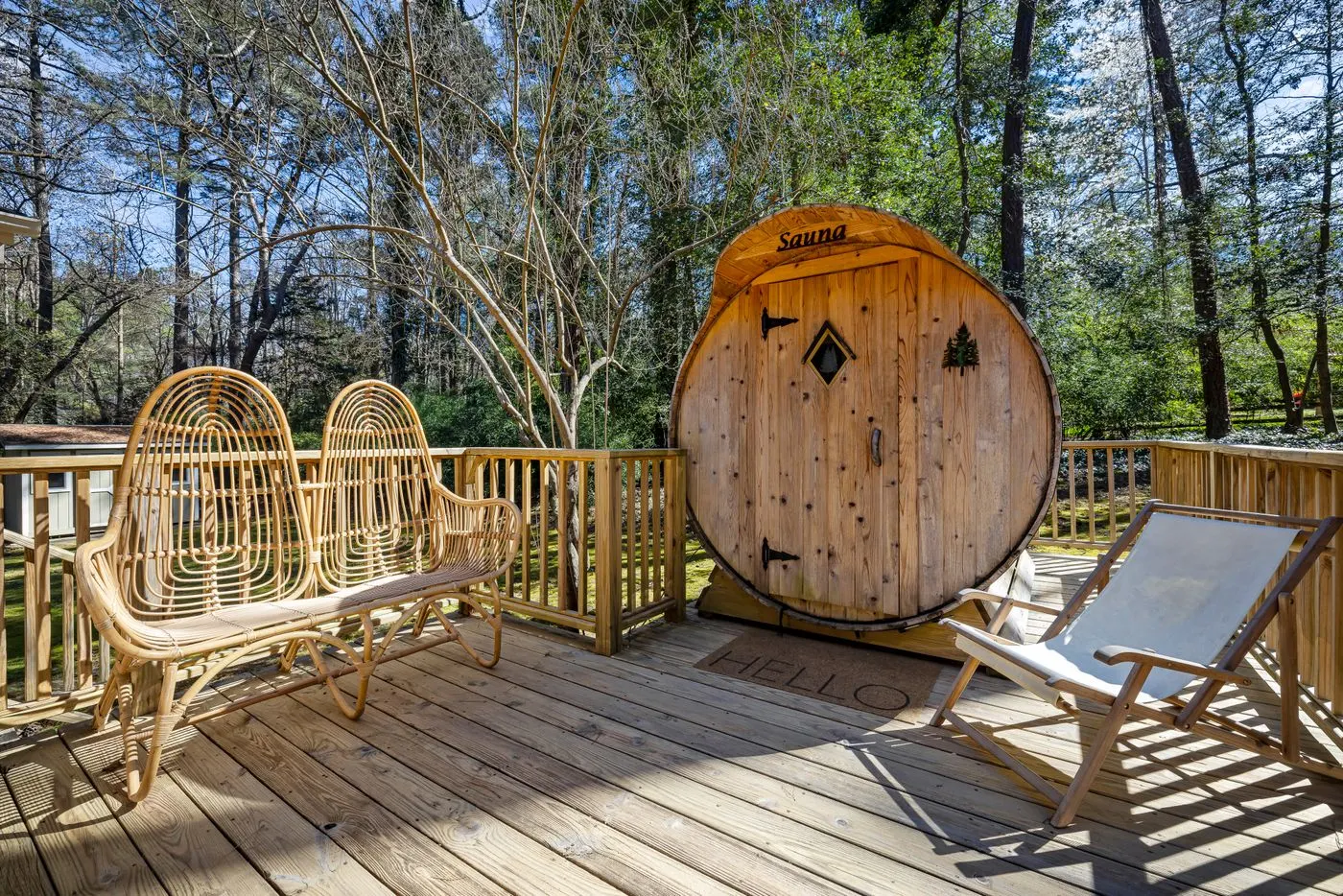
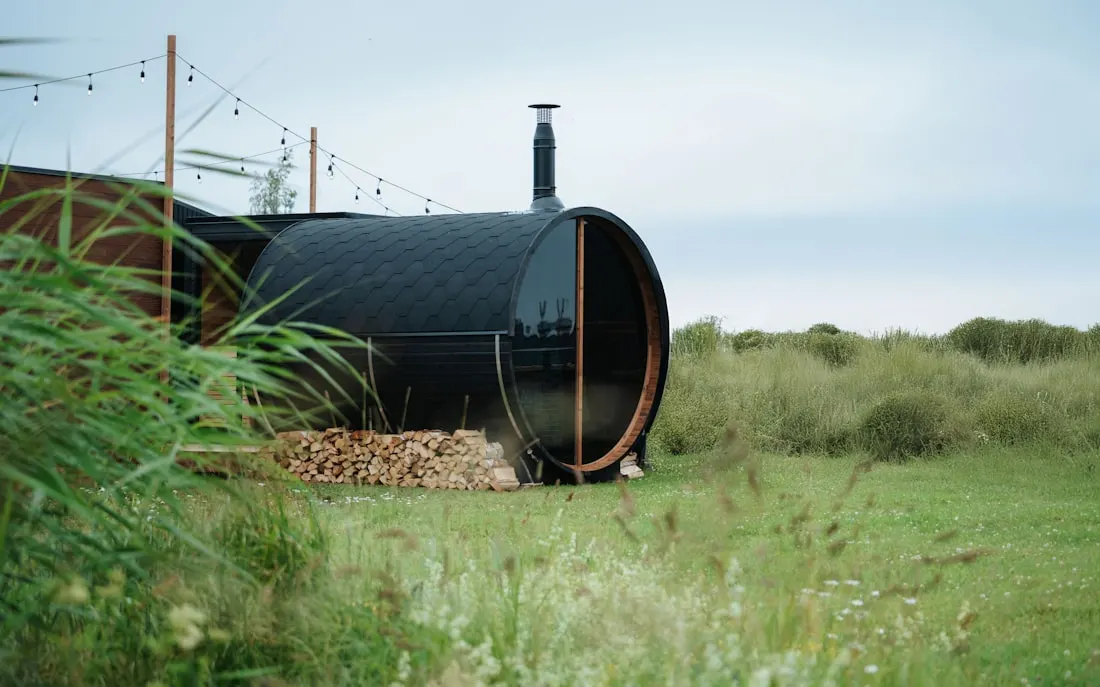
A barrel sauna needs a stable, level, well-drained base, and a gravel pad is a common, affordable option on suitable ground. The cradles concentrate the load at a few points, so the pad must be well compacted and level. On wet or frost-susceptible soil, piers or screws under the cradles are safer.
Can a gravel pad be used in a cold climate?
Yes, on well-drained ground, because it resists heave through drainage. Its reliability depends on the water draining away — on wet, clay or poorly drained soil in a cold climate, a gravel pad alone may still heave, and a foundation reaching below the frost line (piers or screws) is the safer route.
How much does a gravel pad foundation cost?
It is usually the most affordable foundation, especially as a DIY job — the main costs are the gravel and any equipment to move and compact it. Delivery and site access affect the price. Treat any figure as an approximate range, and weigh the low cost against the fact that it suits lighter saunas on good ground.