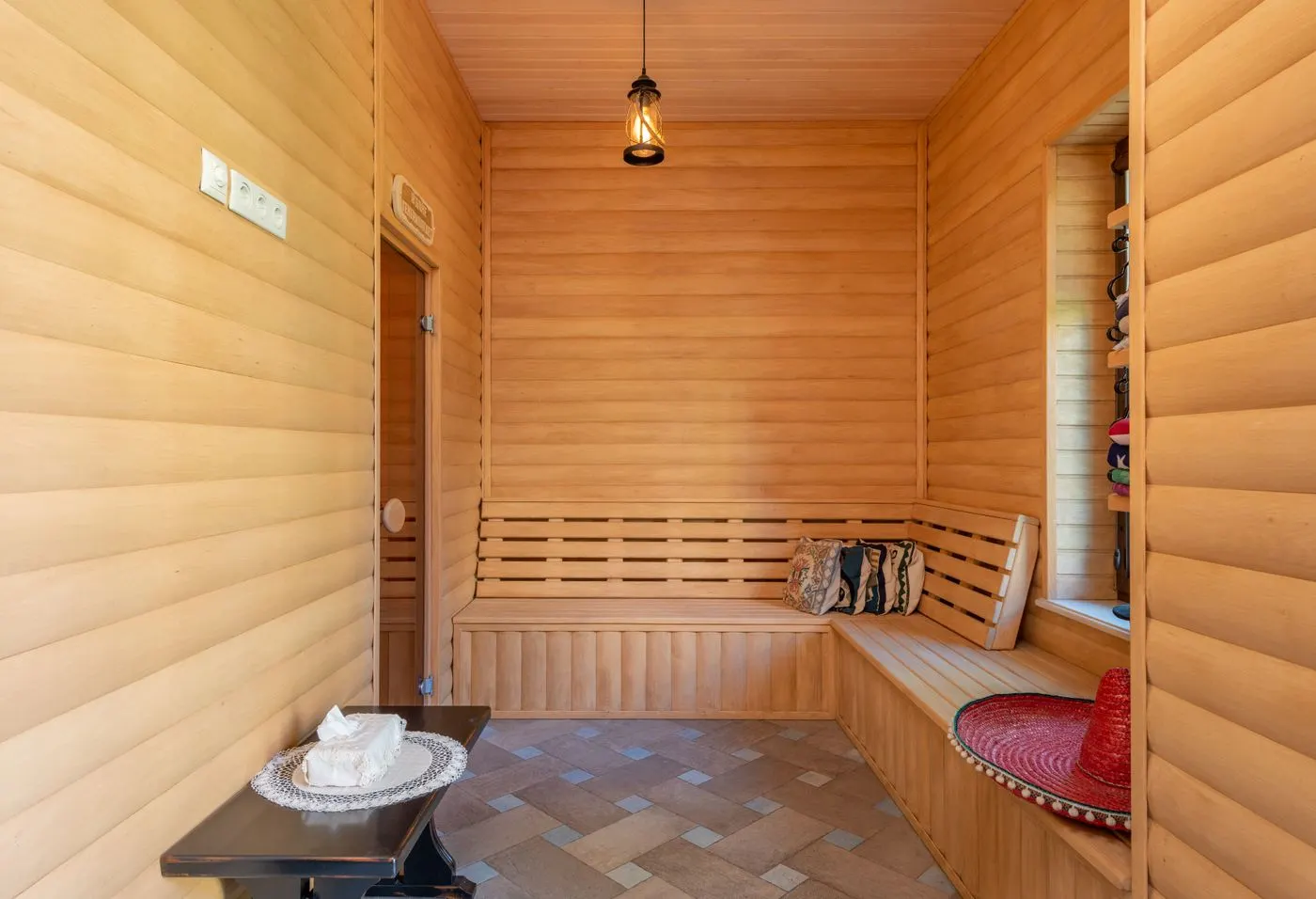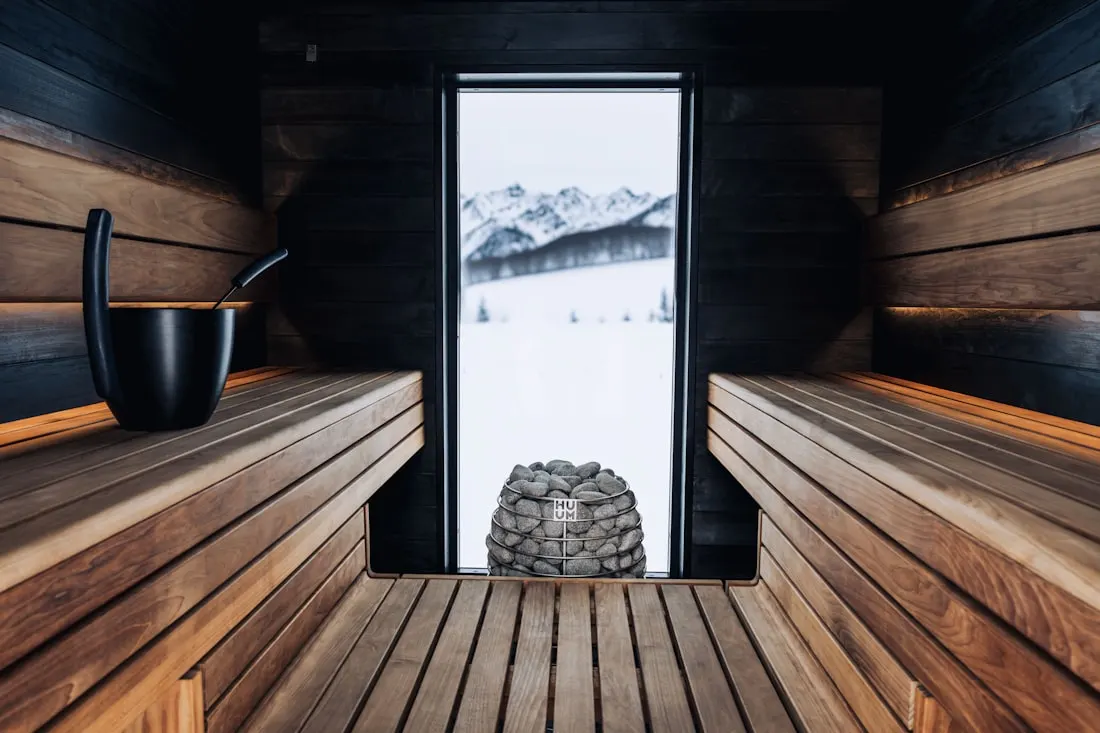
Sauna interior lighting should be soft, warm and low-level for a relaxing atmosphere, using light fittings specifically rated for the heat and moisture of a sauna and placed away from the direct heat of the heater — often low or shielded, sometimes behind the benches or backrest. Because a sauna is a hot, wet environment, the fittings, wiring and placement are safety-critical and must be installed by a licensed electrician to code using sauna-rated components. Done right, gentle lighting transforms the mood of a sauna; done wrong, ordinary fittings can fail or be unsafe in the heat and humidity. Keep it simple, warm and professionally installed.
The right lighting can transform a sauna from a plain hot room into a calm, inviting retreat — but it has to contend with heat and humidity that would defeat ordinary fixtures. So sauna lighting is really two things: a matter of atmosphere (soft, warm, low) and a matter of safety (sauna-rated fittings, professionally installed). This guide covers both.
Soft, warm and low
The goal of sauna lighting is atmosphere, not brightness. A sauna is a place to unwind, and bright light feels harsh and clinical. Instead:
- Keep it dim and warm-toned.
- Place it low or shielded for a gentle glow.
- Aim for enough light to be safe and comfortable — no more.
Most people find soft, understated lighting transforms the mood far better than bright fixtures.
Sauna-rated fittings only
Placement: away from the heater
Position lights away from the direct heat of the heater, and typically low or shielded:
- Behind or beneath the benches.
- Near the backrest.
- Low on a wall rather than glaring from above.
This keeps fittings out of the hottest zone and creates the gentle, atmospheric light you want. Follow the fitting’s guidance, and have the electrician place it safely within its rated conditions.
An electrician’s job
Like all sauna electrical work, the lighting is safety-critical:
- The fittings, wiring and placement must be installed by a licensed electrician to code, using sauna-rated components.
- It is not a DIY task.
You choose the style and warmth; the installation belongs to a professional — see heater installation and electrical safety.
Enough, but not too much
Some lighting is useful — being able to see to enter, sit and move safely matters, especially in an outdoor sauna at night. But it’s about safe, comfortable, atmospheric low light, not illumination. A single well-placed, sauna-rated, gently glowing fitting is often enough.
| Do | Avoid |
|---|---|
| Soft, warm, low-level light | Bright, harsh fixtures |
| Sauna-rated fittings | Ordinary fixtures |
| Placed away from the heater | In the heater's direct heat |
| Installed by an electrician | DIY wiring |
Common mistakes
- Ordinary fittings that can’t handle heat and humidity.
- Bright light that kills the atmosphere.
- Placing lights in the heater’s direct heat.
- DIY installation of a safety-critical fitting.
- No lighting at all in an outdoor sauna used at night.
Next steps
Plan soft, warm, low-level lighting with sauna-rated fittings placed away from the heater, and have a licensed electrician install it to code alongside the rest of the electrical work. Gentle, professional lighting gives your sauna a calm, inviting atmosphere — and for the path outside, plan outdoor lighting for icy winter approaches too.
Frequently asked questions
What kind of lighting can you use in a sauna?
Only light fittings specifically rated for the heat and moisture of a sauna — ordinary fixtures aren't suitable for the hot, wet environment. Sauna-rated fittings are designed to withstand the conditions safely, and are placed away from the heater's direct heat, often low or shielded for a soft glow. The wiring and installation must be done by a licensed electrician to code. Choose warm, gentle, sauna-rated lighting rather than bright or standard fixtures, and have it installed professionally for safety.
Where should sauna lights be placed?
Away from the direct heat of the heater, and typically low or shielded for a soft, relaxing glow — often behind or beneath the benches, near the backrest, or low on a wall, rather than glaring from above. This placement keeps fittings out of the hottest zone and creates gentle, atmospheric light. The exact positioning depends on the design and the fitting's requirements, so follow the fitting's guidance and have an electrician place and install it safely away from the heater and within its rated conditions.
Can I install sauna lighting myself?
No — a sauna is a hot, wet environment, so the light fittings, wiring and placement are safety-critical and must be installed by a licensed electrician to code, using sauna-rated components. This isn't a DIY task. An electrician ensures the fittings suit the conditions, the wiring is safe, and everything meets code. You can choose the style and warmth you want, but the installation itself belongs to a professional, just like the rest of a sauna's electrical work.
Should sauna lighting be bright or dim?
Dim and warm suits a sauna best — soft, low-level lighting creates the relaxing, restful atmosphere the sauna is about, whereas bright light feels harsh and clinical in a space meant for unwinding. Warm-toned, gentle lighting placed low or shielded gives a calm glow. You want enough light to be safe and comfortable, but the goal is atmosphere, not illumination. Most people find soft, warm, understated lighting transforms the mood of a sauna far better than bright fixtures.
Do sauna lights need to be heat-resistant?
Yes — a sauna reaches high temperatures and high humidity, so light fittings must be specifically rated to withstand that heat and moisture safely. Ordinary fittings can fail, degrade or be unsafe in sauna conditions. Sauna-rated fittings are built for the environment, and placing them away from the heater's direct heat further protects them. Always use fittings rated for sauna use, install them per their requirements, and have a licensed electrician handle the wiring and placement to code.
Is lighting necessary in a sauna?
Some lighting is useful for safety and comfort — being able to see to enter, sit and move safely matters, especially in the evening or in an outdoor sauna at night. But it should be soft and warm rather than bright. A single well-placed, sauna-rated, gently glowing fitting is often enough. So lighting isn't about brightness but about safe, comfortable, atmospheric low light. Plan for gentle, professionally installed lighting rather than either harsh fixtures or no light at all.