Aspen is a pale, light-toned hardwood favoured in Nordic saunas for being virtually scent-free, low in resin, gentle on the skin and staying cool to the touch — ideal for those who want a clean, neutral, low-allergen interior. Cedar is a premium aromatic softwood valued for its distinctive scent, warm colour, natural moisture resistance and character. The choice is largely about scent and look: aspen for a neutral, odourless, pale interior that many find comfortable and hypoallergenic; cedar for aroma, warmth of colour and classic character. Both stay comfortable to touch and suit sauna use when properly specified.
Cedar gets most of the attention as a sauna wood, but in Nordic saunas the quiet favourite is often aspen — pale, scent-free and gentle on the skin. The two woods offer almost opposite characters: cedar is aromatic and warm-toned; aspen is neutral and odourless. For an interior you’ll sit against in the heat, the difference is very personal. This guide compares aspen and cedar.
Aspen: the neutral Nordic favourite
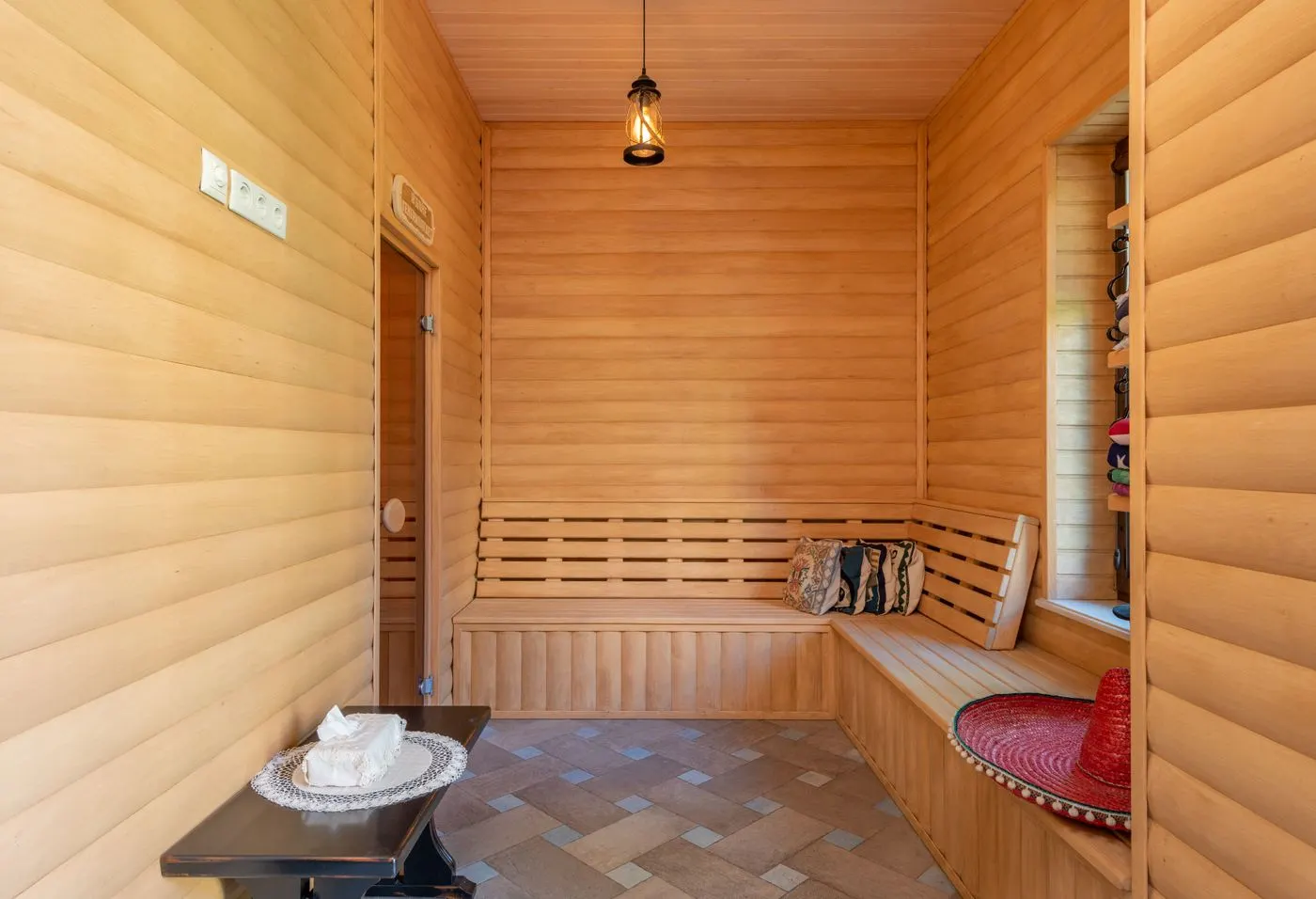
Aspen is a pale hardwood favoured — especially in Nordic saunas — for being:
- Pale and light-toned — a clean, bright interior.
- Virtually scent-free and low in resin.
- Gentle on the skin and often described as low-allergen.
- Cool to the touch.
It suits people who prefer no strong wood scent, or who are sensitive to aromatic woods — a neutral, comfortable, odourless interior.
Cedar: the aromatic premium wood
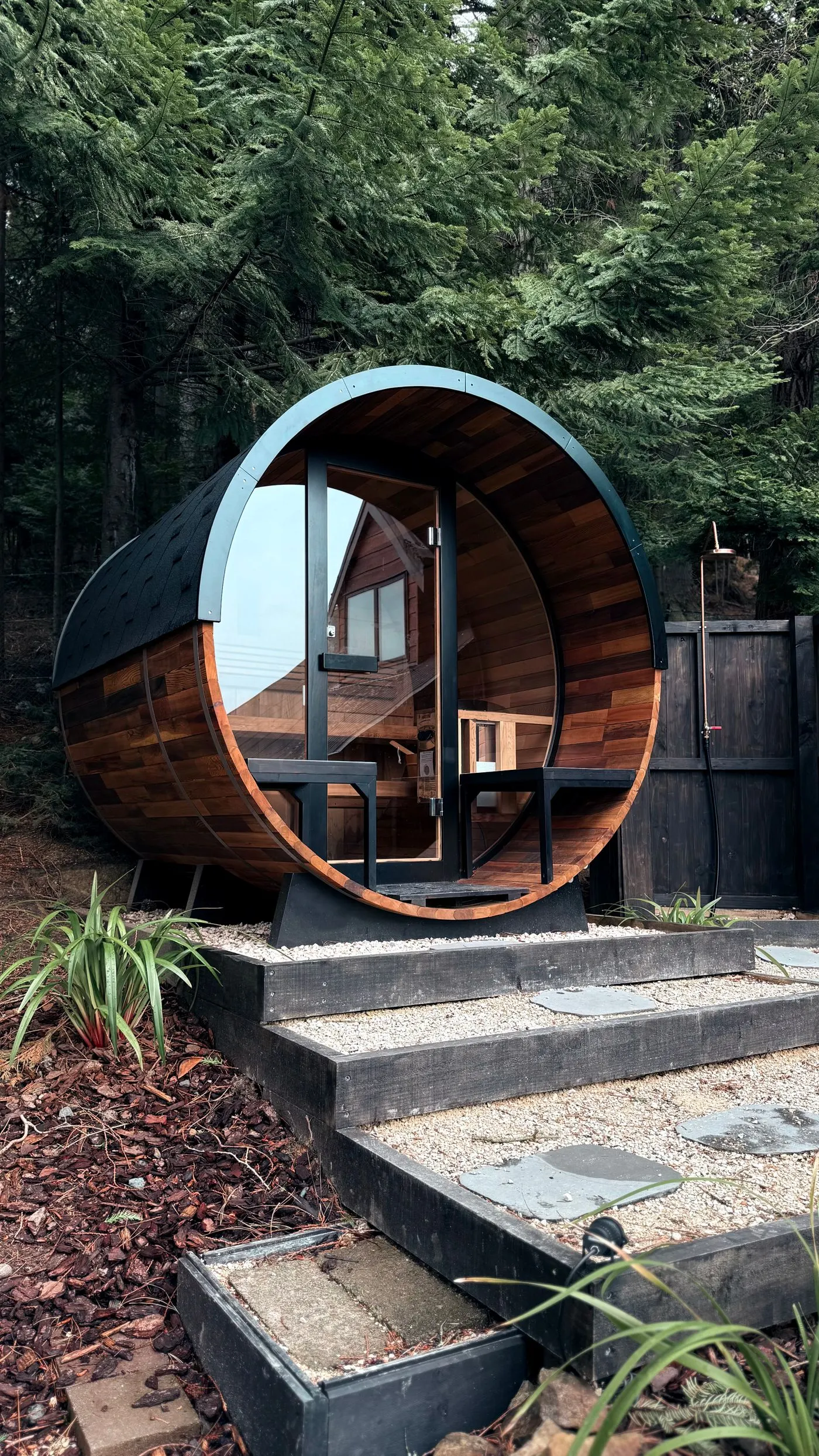
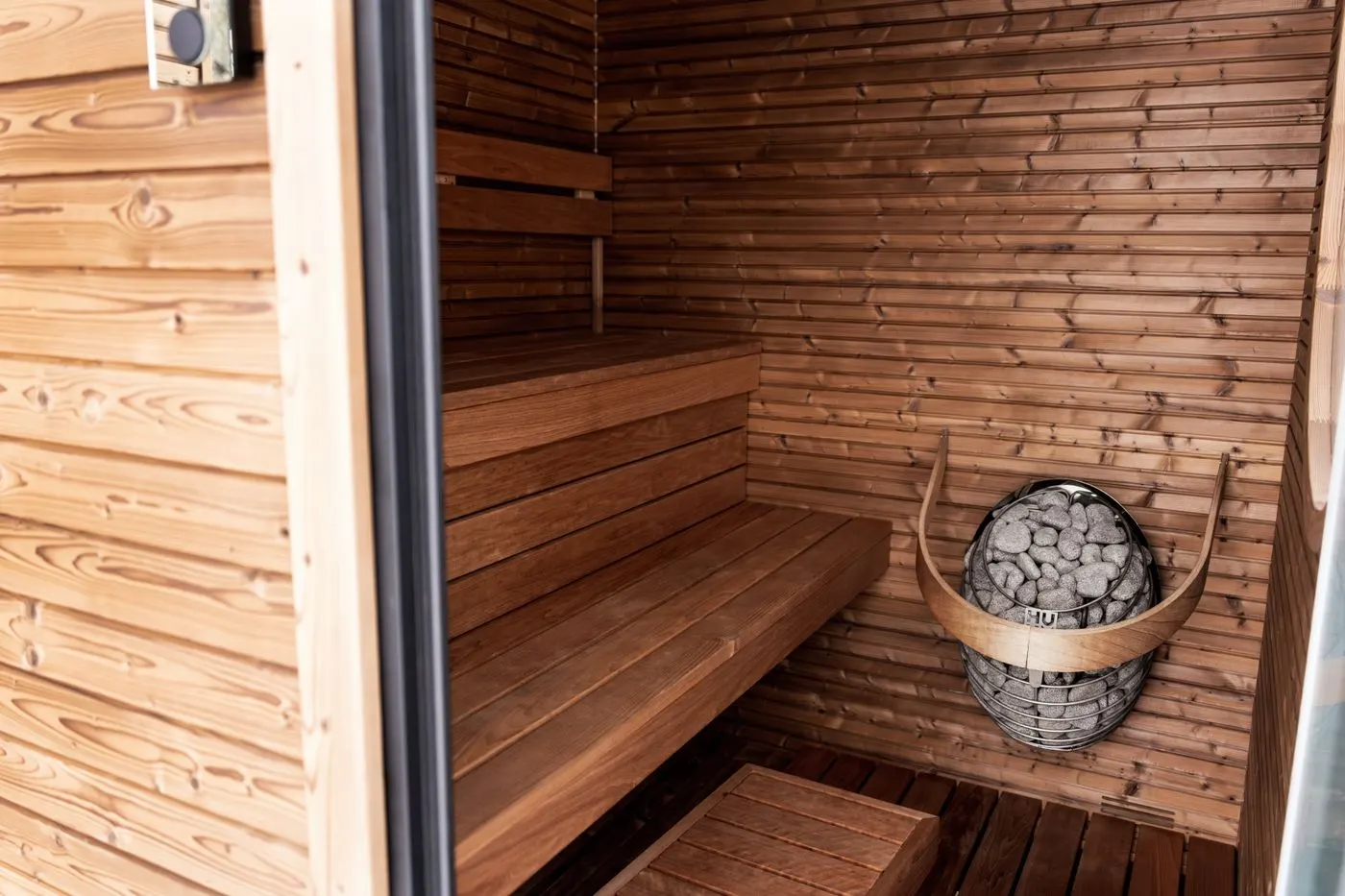
Cedar is the premium, characterful choice:
- Distinctive aroma — a main attraction.
- Warm colour and classic look.
- Naturally moisture-resistant and stable.
The trade-off is premium cost — and the very scent some love, others prefer to avoid. See cedar vs pine for cedar against another option.
The core difference: scent and look
| Quality | Aspen | Cedar |
|---|---|---|
| Scent | Virtually scent-free | Distinctive aroma |
| Colour | Pale, light | Warm-toned |
| Skin feel | Gentle, low-allergen | Comfortable, aromatic |
| Cool to touch | Yes | Yes |
| Cost | Often moderate | Premium |
The scent is usually the deciding factor: aromatic cedar if you love the classic sauna smell; neutral aspen if you prefer odourless, or are scent-sensitive.
Allergies and sensitivity
Aspen is often chosen precisely because it’s scent-free and low in resin, suiting those sensitive to the scent and oils of aromatic woods.
For benches
Both work well for benches, staying comfortable and cool to the touch. Aspen gives a pale, scent-free, skin-gentle surface; cedar an aromatic, warm-toned, moisture-resistant one. Either way, benches should be smooth, splinter-free and finished only with sauna-appropriate products or left bare.
Cost
Cedar is generally premium; aspen’s cost varies by region but is often more moderate. Prices depend on your local market, grade and supply — compare locally. For many, though, the decision rests more on scent and look than cost.
Common mistakes
- Choosing cedar then finding the aroma too strong (or vice versa).
- Assuming aspen is inferior — it’s a classic Nordic choice, not a budget compromise.
- Ordinary varnish on either — use sauna-appropriate finishes or bare wood.
- Ignoring scent sensitivity when a neutral wood would suit better.
Next steps
Decide on scent and look: aromatic, warm cedar for classic character, or neutral, pale aspen for an odourless, skin-gentle interior. Both suit benches and lining when properly specified — see best wood for a sauna to weigh all the interior-wood options together.
Frequently asked questions
Is aspen or cedar better for a sauna?
It's largely a matter of scent and look. Aspen is pale, virtually scent-free, low in resin, gentle on the skin and cool to the touch — ideal for a clean, neutral, low-allergen interior. Cedar is aromatic, warm in colour, naturally moisture-resistant and full of character, at a premium price. Neither is simply better: choose aspen for a neutral, odourless interior, cedar for aroma and classic warmth. Both suit sauna use when properly specified.
Why is aspen used in saunas?
Aspen is favoured — especially in Nordic saunas — because it's pale and light-toned, virtually scent-free, low in resin, stays cool to the touch, and is gentle on the skin, which many find comfortable and low-allergen. Its neutral, odourless character suits people who prefer no strong wood scent, or who are sensitive to aromatic woods. It's a classic choice for benches and lining where a clean, pale, neutral interior is wanted.
Is aspen good for people with allergies or scent sensitivity?
Aspen is often chosen for exactly this reason — it's virtually scent-free and low in resin, which suits people who prefer no strong wood aroma or who are sensitive to the scent and oils of aromatic woods like cedar. It's frequently described as a gentle, low-allergen option. That said, individual sensitivities vary, so if you have specific allergies, consider your own reactions and consult a physician about any health concern rather than relying on general guidance.
Does cedar smell stronger than aspen?
Yes — cedar has a distinctive, noticeable aroma that's one of its main attractions, while aspen is virtually scent-free. This is a central difference: if you love the classic aromatic cedar scent, cedar delivers it; if you prefer a neutral, odourless interior, or are sensitive to wood scents, aspen is the natural choice. The scent difference is often the deciding factor between the two woods for a sauna interior.
Which wood is better for sauna benches, aspen or cedar?
Both work well for benches, as both stay comfortable and relatively cool to the touch. Aspen offers a pale, scent-free, skin-gentle surface many find very comfortable; cedar offers its aromatic, moisture-resistant, characterful surface. The choice comes down to whether you want a neutral, odourless bench (aspen) or an aromatic, warm-toned one (cedar). Whichever you choose, benches should be smooth, splinter-free and finished only with sauna-appropriate products or left bare.
Is aspen or cedar more expensive for a sauna?
Cedar is generally a premium wood, while aspen's cost varies by region and availability but is often more moderate. Prices depend on your local market, grade and supply, so compare locally. For many people the decision rests more on the scent and appearance they want — neutral pale aspen versus aromatic warm cedar — than on cost alone, but budget is a fair factor, so weigh local pricing alongside the look and feel you prefer.