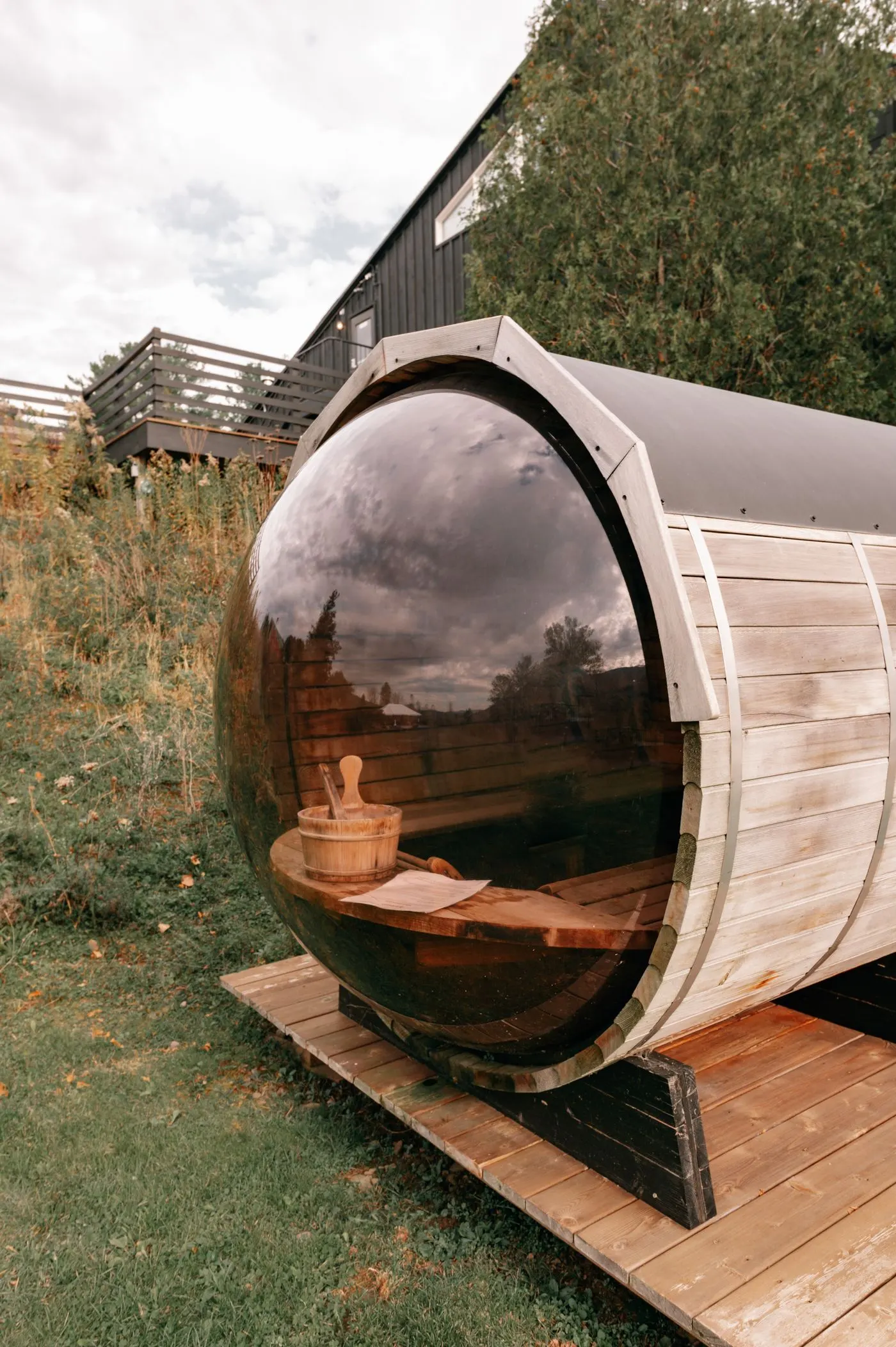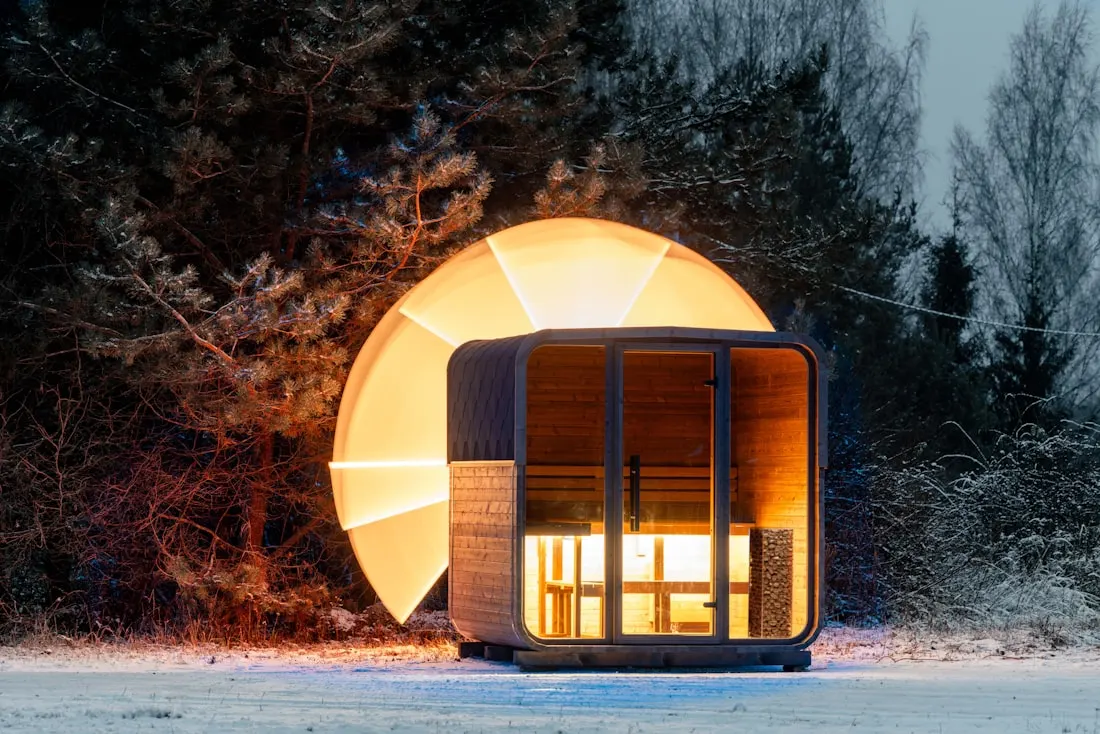
An outdoor sauna can add to a home's appeal and desirability, and potentially its value, but the effect depends on many factors — the quality of the build, whether it was properly permitted and built to code, whether it's a permanent structure, its condition and upkeep, and how much local buyers want a sauna. A well-built, permitted, well-maintained sauna is more likely to be seen as an asset, while an unpermitted, poorly built or neglected one can be a liability or even a concern for buyers. Because the value effect is uncertain and buyer-dependent, the soundest approach is to build a sauna primarily for your own enjoyment, and treat any resale benefit as a bonus rather than the reason to build.
If you’re weighing a sauna partly as an investment, it’s worth being clear-eyed: an outdoor sauna can add to a home’s appeal — and potentially value — but the effect is uncertain and buyer-dependent. A quality, permitted, well-maintained sauna is more likely to be an asset; a poor or unpermitted one can be a liability. This guide covers what influences it, and why the soundest reason to build is your own enjoyment.
It can add appeal — but it’s uncertain
An outdoor sauna can add to a home’s appeal and desirability, and potentially its value. But many factors shape the effect:
- Build quality.
- Whether it was properly permitted and built to code.
- Whether it’s a permanent structure.
- Its condition and upkeep.
- How much local buyers want a sauna.
Because these vary, the value effect is genuinely uncertain.
Permits matter for resale
Permanent vs portable
A permanent, well-built structure is more likely to be considered part of the property and potentially add value, whereas a portable or freestanding unit may be seen as personal property that goes with the owner. A permanent build also brings permitting and code requirements. Neither guarantees added value — but a quality permanent, permitted, maintained sauna makes the stronger case.
It can also detract
A sauna isn’t guaranteed to add value — and can detract:
- A poor, unpermitted or neglected sauna raises buyer concerns about safety, code, maintenance or removal.
- Some buyers simply don’t want a sauna to maintain.
Building well, to permits, and keeping it maintained minimises this risk.
Buyer appeal varies
| Where a sauna appeals | Where it may not |
|---|---|
| Markets that value sauna culture | Areas indifferent to saunas |
| Buyers who want the feature | Buyers wary of upkeep |
You can’t count on every buyer wanting one — a big reason the value effect is uncertain.
Build for yourself first
Common mistakes
- Building purely for resale value that’s uncertain.
- Skipping permits, creating a resale liability.
- A poor or neglected build that detracts.
- Assuming every buyer wants a sauna.
- Forgetting upkeep matters to how it’s perceived.
Next steps
Build your sauna primarily for your own enjoyment, make it quality, permitted and maintained, and treat any resale benefit as a bonus. That approach delivers guaranteed value — your own use — while giving the best chance the sauna is seen as an asset. Plan it well with the project budget and prefab vs custom guides.
Frequently asked questions
Does an outdoor sauna add value to a home?
It can add to a home's appeal and desirability, and potentially its value, but the effect is uncertain and depends on the build quality, whether it was properly permitted and built to code, whether it's a permanent structure, its condition, and how much local buyers want a sauna. A quality, permitted, well-maintained sauna is more likely to be an asset; a poor or unpermitted one can be a liability. Because the effect varies, build a sauna mainly for your own enjoyment and treat any resale benefit as a bonus, not the reason to build.
Do permits affect a sauna's impact on resale?
Yes — a properly permitted sauna, built to code, is far more likely to be seen as an asset, while an unpermitted structure can complicate a sale, raise concerns for buyers, and create issues with inspections, insurance or requirements to modify or remove it. Unpermitted electrical or a fuel-burning heater are particular concerns. So building to the correct permits protects not just safety but resale. If resale matters to you, ensuring the sauna is permitted and code-compliant is one of the most important steps. See our guide on sauna permits.
Is a permanent or portable sauna better for home value?
A permanent, well-built structure is more likely to be considered part of the property and potentially add to its value, whereas a portable or freestanding unit may be seen as personal property that goes with the owner rather than a fixture. That said, a permanent sauna also brings permitting and code requirements. Neither guarantees added value. If resale is a consideration, a quality permanent build that's permitted and maintained is the stronger case, but the effect still depends on buyers and the local market.
Could a sauna hurt my home's value?
It's possible — a poorly built, unpermitted, or neglected sauna can be a liability rather than an asset, raising concerns for buyers about safety, code compliance, maintenance or removal costs, especially with unpermitted electrical or a fuel-burning heater. Some buyers may also simply not want a sauna to maintain. So a sauna isn't guaranteed to add value and can detract if it's poor quality or non-compliant. Building well, to permits, and keeping it maintained minimises this risk. Ultimately, the safest reason to build is your own enjoyment. See our maintenance guides.
Do buyers want a sauna?
Some do and some don't — buyer appeal for a sauna varies by market, region and individual taste. In areas where saunas are popular and the culture values them, a quality sauna can be an attractive feature; elsewhere, buyers may be indifferent or see it as upkeep they don't want. This buyer-dependence is a big reason the value effect is uncertain. So while a sauna can appeal to the right buyer, you can't count on every buyer wanting one, which is why building for your own enjoyment is the soundest approach.
Should I build a sauna to increase my home's value?
It's not the soundest sole reason — because the value effect is uncertain and depends on quality, permits, buyers and the market, building purely to increase resale value is a gamble. The better approach is to build a sauna primarily for your own enjoyment and use, ensuring it's quality, permitted and maintained so it's more likely to be an asset, and treating any resale benefit as a welcome bonus. That way you get guaranteed value — your own enjoyment — regardless of what the eventual resale effect turns out to be. See our project budget guide.